📜 5학년 한국사: 한국 선사시대 이야기: 암사동과 빗살무늬토기
Stories of Prehistoric Korea: Amsa-dong and Comb-pattern Pottery
관련 동영상 링크:
https://youtu.be/aBXhw_9pOt8?si=rmM-zh2GBC8nqGE4
영상 대본 겸 활동지 다운로드:
(다운로드는 이 글의 맨 마지막에서)


한국에서는 초등학교 5학년부터는 한국사를 배우기 시작합니다.
In Korea, students start learning Korean history from the 5th grade of elementary school.
그래서 오늘은 그 첫걸음을 떼는 마음으로, 아주 쉽게 한국 역사를 소개하려고 합니다.
So today, with the spirit of taking that very first step, I’d like to introduce Korean history in a very simple way.
외국인과 재외동포 여러분은 물론, 한국 문화를 영어로 표현하고 싶은 한국인들도 함께 즐겁게 들어주세요.
Not only foreigners and Koreans living abroad, but also Koreans who want to express Korean culture in English can enjoy this together.
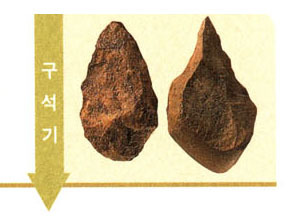
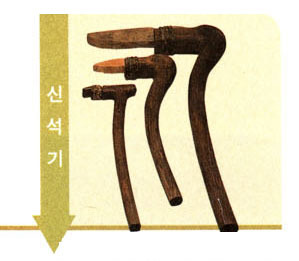

출처: 우리역사넷
여러분, 한국에 사람이 언제부터 살기 시작했는지 아세요?
Do you know when people first started living on the Korean Peninsula?
사실은 수만 년 전, 구석기 시대부터 사람이 이 땅에서 살았답니다.
In fact, people have lived here since the Paleolithic Age, tens of thousands of years ago.
그 시절 사람들은 동굴이나 강가에서 살면서, 돌을 깨뜨려 만든 뗀석기로 사냥하고 열매를 따 먹었어요.
Back then, they lived in caves or near rivers, hunting with chipped stone tools and gathering fruits and nuts.
주먹도끼는 구석기 시대의 유명한 상징이죠.
The hand axe is a famous symbol of the Paleolithic Age.


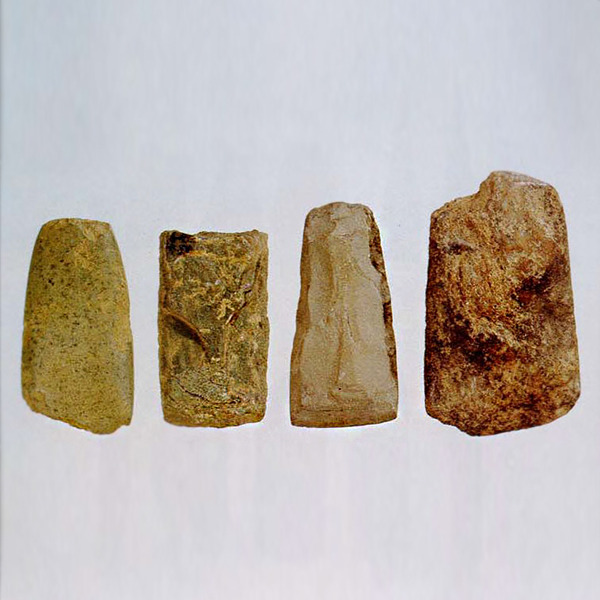

그럼 신석기 시대는 어땠을까요?
So, what about the Neolithic Age?
약 8천 년 전부터 사람들은 농사를 짓기 시작했어요.
Around 8000 years ago, people began farming.
그리고 빗살무늬토기라는 아주 특별한 토기를 만들었죠.
And they created a very special kind of pottery called comb-pattern pottery.
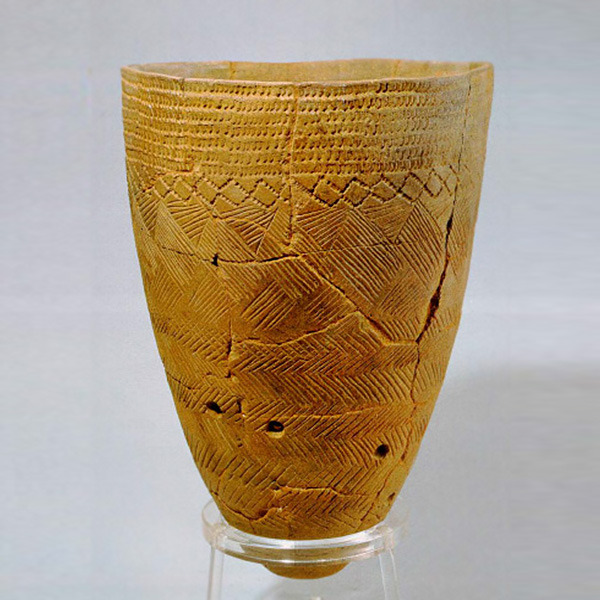
여러분, 빗살무늬토기 들어보셨나요?
Have you ever heard of comb-pattern pottery?
점토에 빗살처럼 줄무늬를 새겨 만든 토기인데, 한국 신석기 문화를 대표하는 유물이랍니다.
It’s pottery decorated with comb-like patterns carved into clay, and it’s one of the most iconic artifacts of Korea’s Neolithic culture.
이 토기는 음식 저장, 요리, 심지어 의식에도 사용되었어요.
This pottery was used for storing food, cooking, and even for rituals.
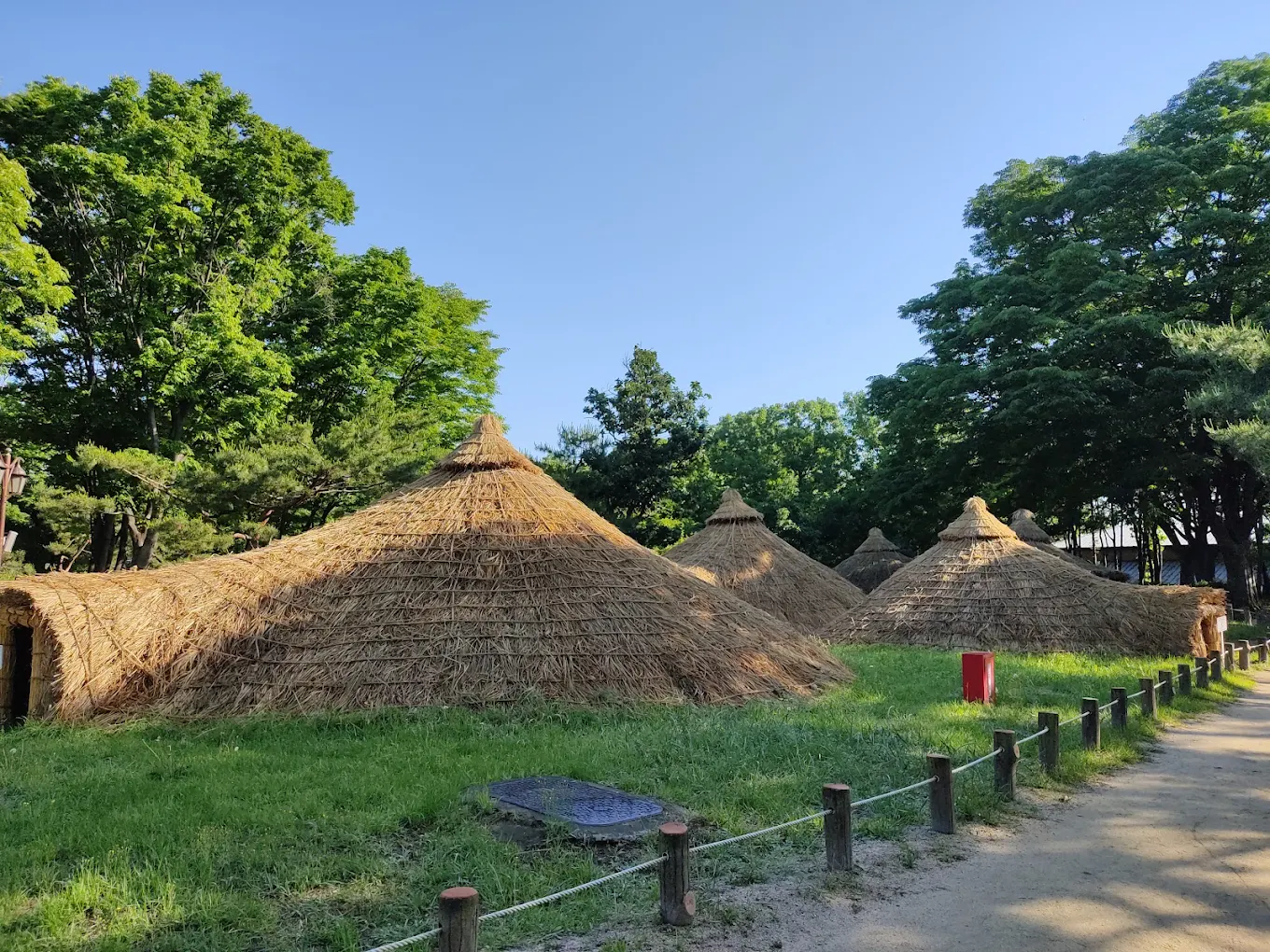
서울 강동구에 가면 ‘암사동 선사유적지’가 있어요.
If you go to Gangdong-gu in Seoul, you’ll find the Amsa-dong Prehistoric Settlement Site.
이곳은 약 6천 년 전 신석기 사람들이 살던 마을이었어요.
This was a village where Neolithic people lived about 6,000 years ago.
1925년 한강이 범람하면서 빗살무늬토기들이 드러났고, 그때부터 이곳의 가치는 세상에 알려지기 시작했답니다.
In 1925, when the Han River flooded, comb-pattern pottery was uncovered, and from then on, the importance of this site became known.
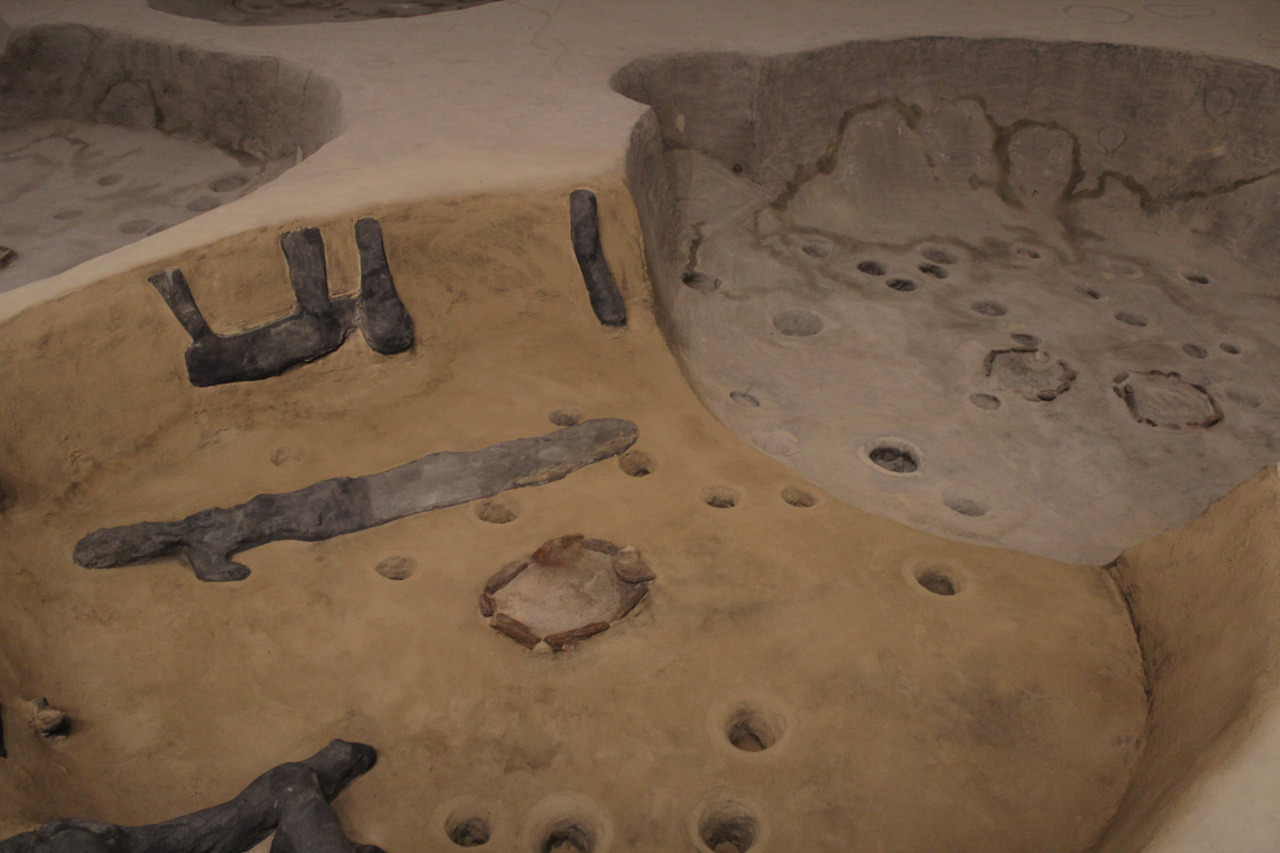
여기서는 무려 40여 채의 집터가 발견되었어요.
Archaeologists discovered the remains of more than 40 houses here.
그중 일부는 복원되어 있어서 실제로 걸어 들어가 볼 수도 있습니다.
Some have been reconstructed, so you can actually step inside them.
집터 중앙에는 난로도 있어서, 당시 사람들이 어떻게 불을 피우고 생활했는지 상상할 수 있죠.
Each house had a fireplace in the center, showing how people kept warm and lived together.
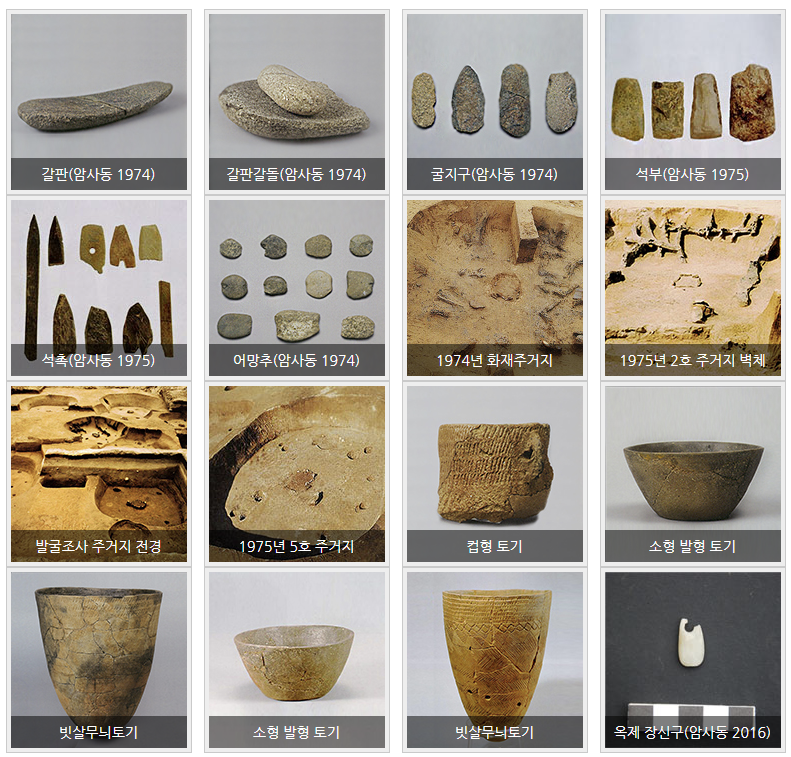
암사동에서는 빗살무늬토기뿐만 아니라 다양한 유물도 나왔습니다.
At Amsa-dong, not only comb-pattern pottery but also many other artifacts were found.
돌도끼, 맷돌, 어망 추, 그리고 불에 탄 도토리까지 발견되었어요.
Stone axes, grinding stones, fishing net sinkers, and even charred acorns were discovered.
이것들을 보면, 사람들이 농사도 하고, 물고기를 잡고, 도토리를 먹으며 살았다는 걸 알 수 있어요.
These findings show that people farmed, fished, and ate acorns to survive.

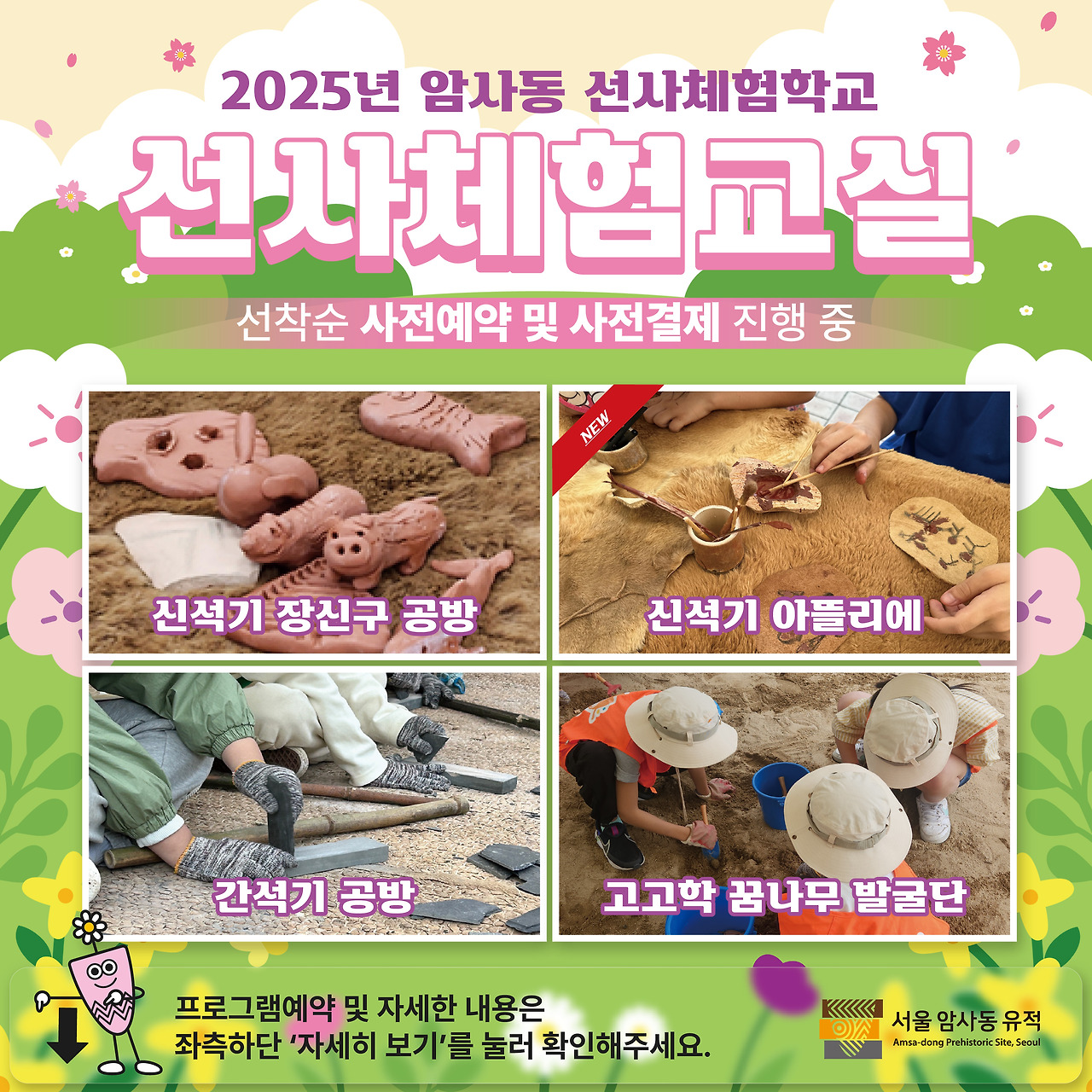
오늘날 암사동 선사유적지는 박물관과 체험 공간으로 꾸며져 있어요.
Today, the Amsa-dong site is set up as a museum and an experience space.
복원된 움집과 유물 전시관은 물론이고, 아이들과 함께 체험할 수 있는 프로그램도 마련되어 있답니다.
There are reconstructed houses, exhibition halls, and even hands-on programs for children and families.
그래서 단순히 유적을 보는 게 아니라, 직접 선사시대를 체험할 수 있는 곳이에요.
So it’s not just about looking at history—you can actually experience the prehistoric lifestyle.

정리하자면… 여러분, 서울 한복판에도 6천 년 전 마을이 있었다는 사실, 정말 놀랍지 않나요?
To sum up… isn’t it amazing that right in the heart of Seoul there once was a village from 6,000 years ago?
다음에 한국에 오시면 꼭 암사동 선사유적지를 찾아가 보세요.
So next time you visit Korea, make sure to stop by the Amsa-dong Prehistoric Settlement Site.
여러분이 직접 빗살무늬토기를 보고, 선사시대 사람들의 삶을 느낄 수 있을 거예요.
You’ll be able to see comb-pattern pottery with your own eyes and get a real sense of how prehistoric people lived.

👉 우선 온라인으로 방문해 봅시다.
Let’s take an online visit first
우리역사넷
https://contents.history.go.kr/mobile/eh/list.do?code=eh_age_10
우리역사넷
contents.history.go.kr
우리역사넷은 한국사 기초를 쉽게 정리해 놓은 온라인 자료실이에요. 초등학생부터 누구나 접근하기 좋은 설명과 그림 자료가 있어, 한국사를 처음 배우는 외국인이나 재외동포에게도 추천합니다.
“Uri History Net” is an online archive that provides simple explanations of Korean history. It’s designed for elementary students, making it also a great starting point for foreigners or overseas Koreans who want to learn Korean history.
전곡선사박물관 (구석기)
전곡선사박물관
휴관일 안내 월요일(월요일이 공휴일일 경우 제외) 매년 1월 1일과 설날, 추석 당일
jgpm.ggcf.kr
경기도 연천에 있는 전곡선사박물관은 구석기 문화를 전문적으로 다루는 박물관입니다. 다양한 유물 전시와 체험 프로그램을 통해 인류 최초의 삶을 생생하게 배울 수 있습니다. (휴관일: 매주 월요일, 1월 1일, 설날·추석 당일)
The Jeongok Prehistory Museum in Yeoncheon, Gyeonggi-do, specializes in Paleolithic culture. Visitors can explore artifacts and hands-on experiences that bring the earliest human life to life. (Closed on Mondays, January 1st, and Lunar New Year/Chuseok day.)
암사동선사유적박물관 (신석기)
https://sunsa.gangdong.go.kr/site/main/home
Home
서울 암사동 유적,Home
sunsa.gangdong.go.kr
서울 강동구에 있는 암사동선사유적박물관은 신석기 문화를 대표하는 유적지에 세워진 박물관입니다. 복원된 움집과 빗살무늬토기를 직접 볼 수 있으며, 신석기 시대 사람들의 생활을 체험할 수 있습니다.
The Amsa-dong Prehistoric Settlement Museum in Gangdong-gu, Seoul, stands on one of Korea’s most representative Neolithic sites. Visitors can see reconstructed pit houses and comb-pattern pottery, experiencing the life of Neolithic people firsthand.
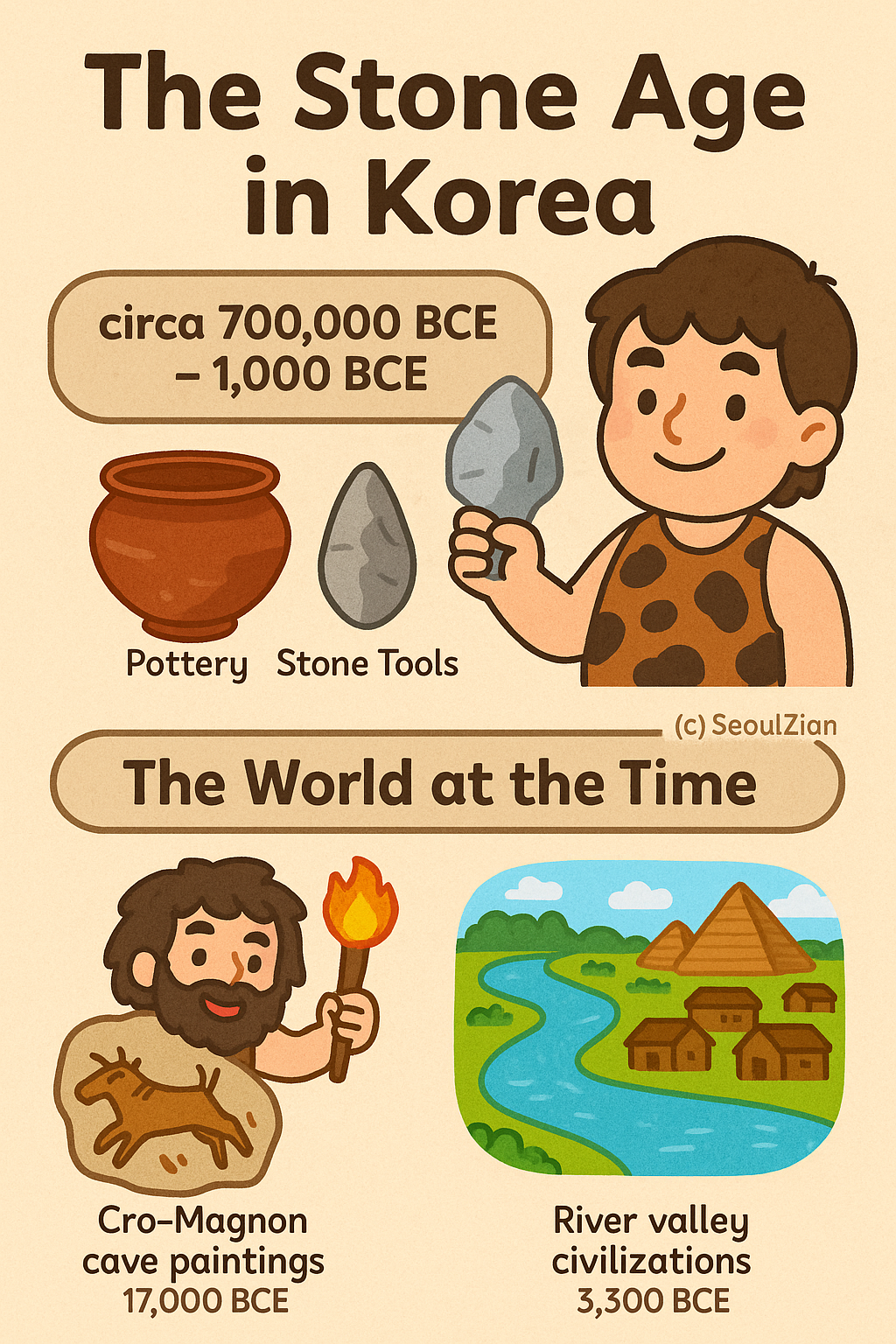
🌍 당시 세계는?
The World at That Time
구석기 시대 (약 250만 년 전 ~ 기원전 8000년경)
이 시기 유럽에서는 크로마뇽인(약 4만 년 전 등장)이 프랑스 라스코(기원전 1만 7000년경)와 스페인 알타미라(기원전 1만 4000년경)의 동굴 벽화를 남겼습니다. 동물과 사냥 장면을 그려, 당시 인류의 생활과 정신세계를 보여줍니다.
In the Paleolithic Age (about 2.5 million years ago – around 8000 BCE), Cro-Magnons (emerging about 40,000 years ago) created cave paintings at Lascaux in France (ca. 17,000 BCE) and Altamira in Spain (ca. 14,000 BCE), depicting animals and hunting scenes that reveal the life and beliefs of early humans.
신석기 시대 (기원전 8000년경 ~ 기원전 3000년경)
세계 여러 지역에서 농경과 목축이 시작되었습니다. 특히 기원전 3500년 무렵 메소포타미아에서 최초의 도시 문명이 발달했고, 이어서 이집트 나일강, 인더스강, 황허강을 중심으로 고대 4대 문명이 등장했습니다.
In the Neolithic Age (around 8000 BCE – 3000 BCE), farming and animal domestication began across many regions. Around 3500 BCE, the first urban civilizations arose in Mesopotamia, followed by the emergence of the four great ancient civilizations along the Nile (Egypt), the Indus, and the Yellow River.
영상 대본 다운로드:

더 많은 이야기가 이어질 거예요!
채널 고정!
More to come!
Stay tuned!
@ 서울 사람 Seoul Zian 서울지앵
#이중언어 #BilingualLearning
#한국사 #KoreanHistory
#한국어학습 #LearnKorean
#실생활한국어 #RealLifeKorean
#한국문화 #KoreanCulture
#역사이야기 #HistoryStories
#초등한국사 #ElementaryKoreanHistory
#세계시민교육 #GlobalCitizenship
#문화유산 #CulturalHeritage
#한국박물관 #KoreanMuseum