📜 단군신화와 홍익인간
The Dangun Myth and the Idea of Hongik Ingan

한국의 초등학교 5학년부터는 한국사를 배우기 시작합니다. 오늘은 한국사 여행을 열며, 한국의 시조 단군왕검 이야기를 함께 만나보겠습니다.
In Korea, students start learning history from the 5th grade of elementary school. Today, as we open our journey into Korean history, let’s discover the story of Dangun Wanggeom, often called the founding ancestor of Korea.
외국인과 재외동포는 물론, 한국 문화를 영어로 표현하고 싶은 한국인들도 즐겨 주세요.
This story can be enjoyed not only by foreigners and overseas Koreans, but also by Koreans who want to express Korean culture in English.

옛날 옛날에, 하늘의 아들 환웅이 있었습니다. 그는 인간 세상을 보고 널리 인간을 이롭게 하려는 마음, 바로 ‘홍익인간(弘益人間)’의 뜻을 품고 내려왔습니다.
A long time ago, there was Hwanung, the son of Heaven. He looked down at the human world with the intention of Hongik Ingan, which means “to broadly benefit humankind,” and descended to Earth.
환웅이 내려온 곳은 신단수(神檀樹)라는 신성한 나무 아래였고, 그곳을 신시라 불렀습니다. 신단수는 하늘과 땅, 인간을 잇는 ‘세계수’와 같은 상징이었지요.
Hwanung descended beneath a sacred tree called Sindansu, and the place was called Sinsi. Sindansu symbolized a “world tree” that connected Heaven, Earth, and Humanity.
환웅은 풍백, 운사, 우사—바람, 구름, 비를 맡은 신들을 거느리고 와서 농사짓는 법, 법률, 의술 등을 가르치며 사람들을 다스렸습니다.
He came with Pungbaek, Wunsa, and Usa—the spirits of wind, clouds, and rain—and taught people farming, law, and medicine, ruling them with wisdom.
이 장면은 당시 사회가 이미 농경을 중심으로 발전하고 있었음을 보여줍니다.
This scene shows that society was already developing around agriculture.
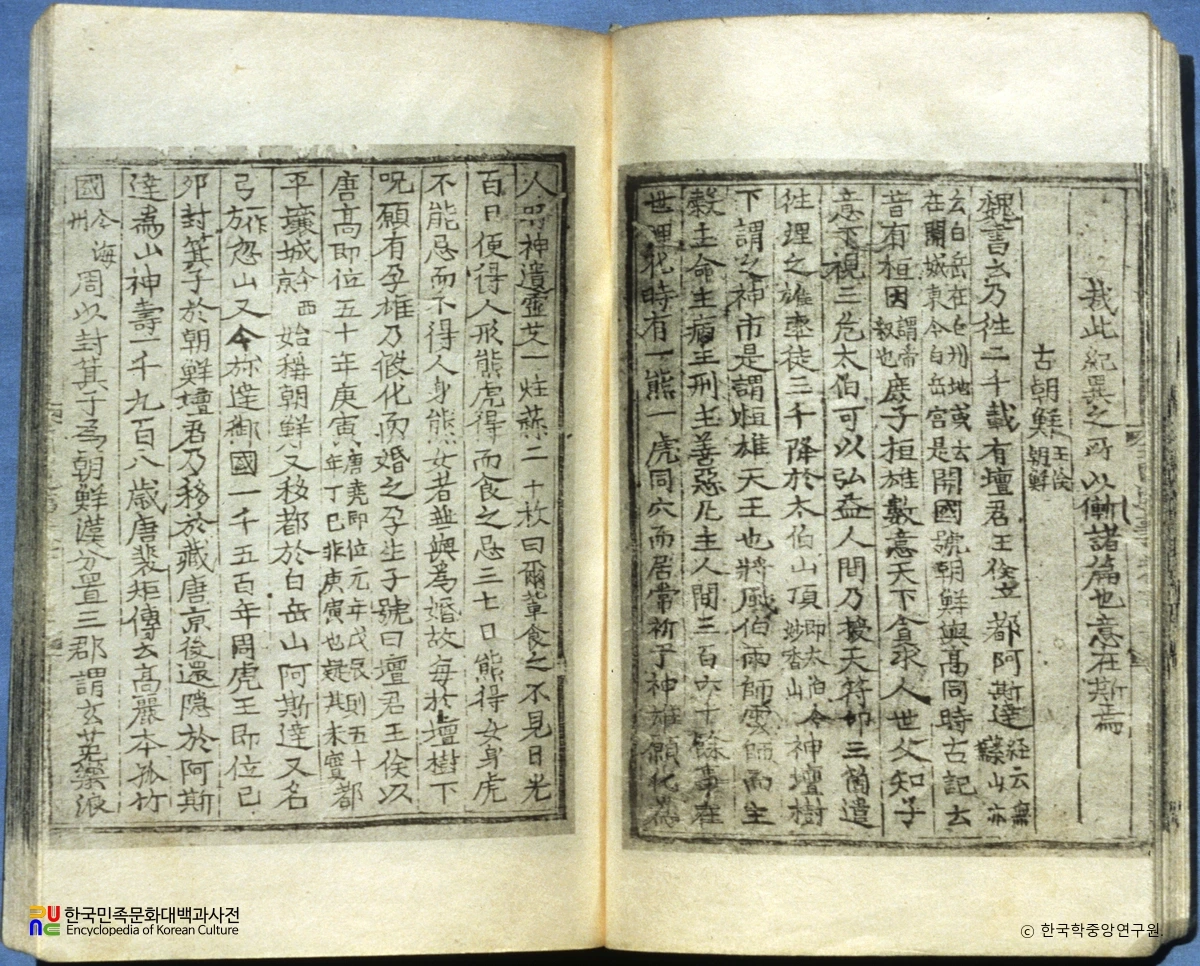

그 무렵, 호랑이와 곰이 사람이 되고 싶어 환웅에게 기도했습니다.
At that time, a tiger and a bear prayed to Hwanung, wishing to become human.
환웅은 마늘과 쑥을 주며 말했습니다. “100일 동안 동굴 속에서 햇빛을 보지 말고 이것만 먹어라. 그러면 사람이 될 수 있을 것이다.”
Hwanung gave them garlic and mugwort and said, “Stay in a dark cave for 100 days, eating only this. Then you will become human.”
호랑이는 참지 못하고 포기했지만, 곰은 백일(또는 삼칠일—21일) 동안 인내하며 동굴에 머물렀습니다. 그 곰은 마침내 사람이 되어 ‘웅녀’라 불렸습니다.
The tiger gave up, but the bear endured either 100 days (or samchiril—21 days) in the cave. At last, the bear became human and was called Ungnyeo, the “Bear Woman.”
기록에 따라 어떤 전승에서는 곰이 100일을 채웠다고 하고, 또 다른 전승에서는 21일 만에 사람이 되었다고 합니다. 100일은 한국 문화에서 인내와 끈기를 강조하는 상징이고, 21일은 하늘·땅·사람(3)과 음양·오행(7)의 질서를 담은 상징적 숫자로 이해됩니다.
Depending on the version, some say the bear endured the full 100 days, while others say she became human after 21 days. The 100-day version emphasizes patience and perseverance, while the 21-day version symbolizes numbers—3 for Heaven, Earth, and Humanity, and 7 for yin–yang and the five elements.
특히 삼칠일, 즉 21일은 단순한 기간이 아니라 한국인의 전통적인 세계관이 담긴 숫자였습니다. 옛날에는 산모와 아기를 보호하기 위해 삼칠일 동안 집에 금줄을 치는 풍습도 있었지요.
In particular, samchiril (21 days) was more than just a period of time—it reflected the traditional Korean worldview. In the past, families even placed straw ropes around the house for 21 days to protect mothers and newborns.
일부 해석에서는 ‘마늘 20개와 쑥 한 다발’을 뜻한다고도 전합니다.
Some interpretations even suggest it symbolized “20 cloves of garlic and one bundle of mugwort.”
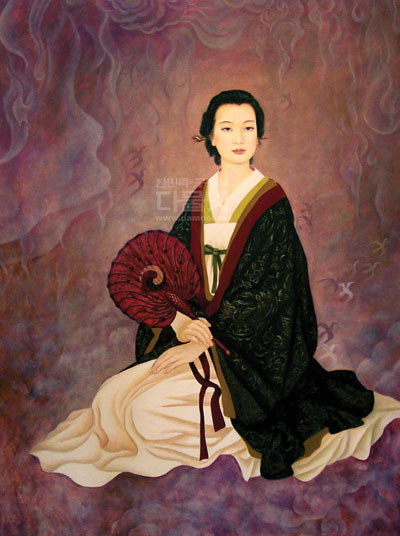
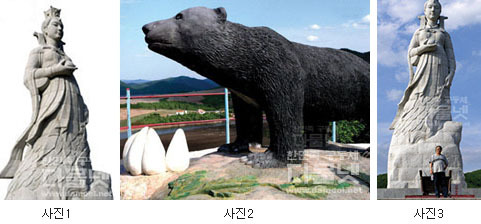

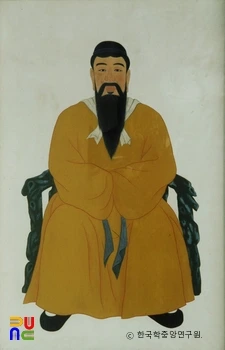
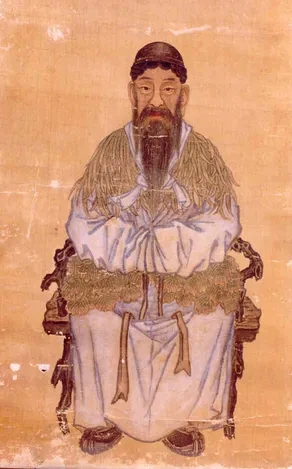
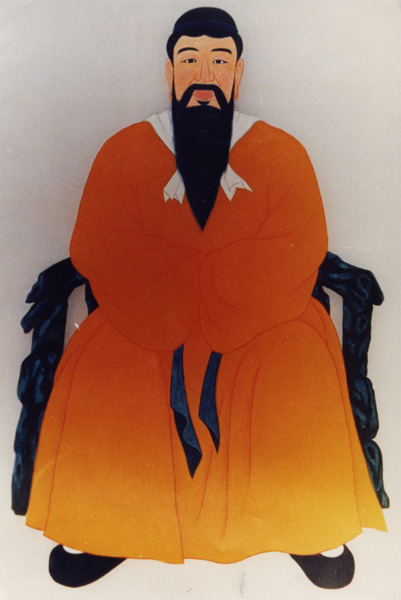
웅녀는 아이를 원했고, 환웅과 결혼하여 아들을 낳았습니다. 그 아들이 바로 단군왕검 (檀君王儉) 이었습니다.
Ungnyeo wished for a child, and later she married Hwanung. Together, they had a son named Dangun Wanggeom.
단군왕검은 나라를 세워 고조선을 열었다고 전해지며, 전통적으로 기원전 2333년으로 날짜를 전합니다.
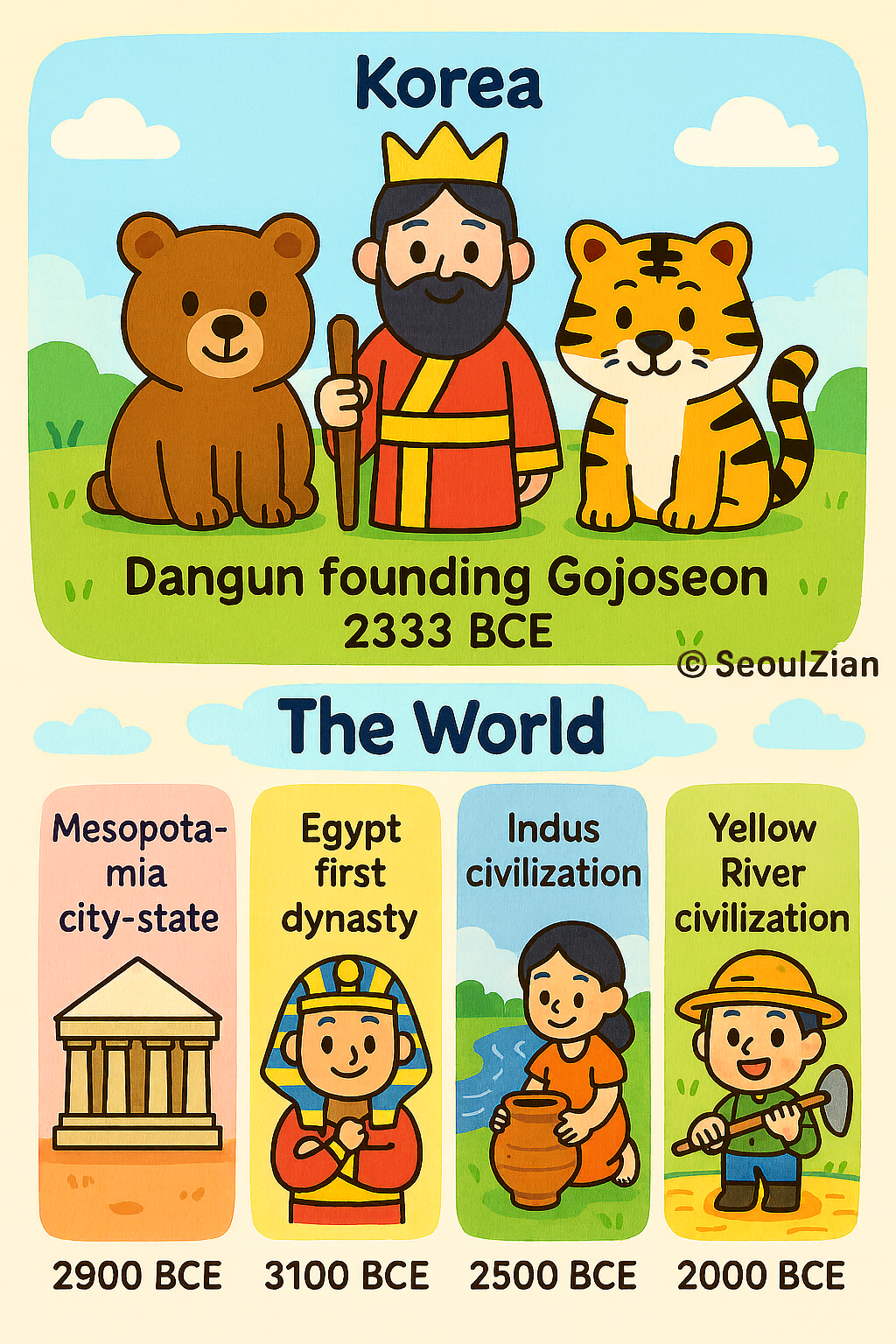
Dangun Wanggeom is said to have founded the first state, Gojoseon, traditionally dated to 2333 BCE.
단군왕검(檀君王儉)이라는 이름은 ‘단군’과 ‘왕검’이 합쳐진 말로, 제사장(단군)과 정치·군사 지도자(왕검)의 역할을 겸한 고조선의 통치자를 뜻합니다. 이는 고조선 사회가 종교와 정치가 하나였던 ‘제정일치’ 사회였음을 보여줍니다.
The title Dangun Wanggeom (檀君王儉) combines “Dangun” and “Wanggeom,” meaning a ruler of Gojoseon who served both as a priest (Dangun) and as a political–military leader (Wanggeom). This shows that Gojoseon was a theocratic society where religion and politics were united.
오늘날 우리는 10월 3일을 개천절이라 부르며, 하늘이 열리고 나라가 세워졌다는 전승을 기립니다.
Today, Koreans celebrate October 3rd as Gaecheonjeol, National Foundation Day, to honor the opening of Heaven and the founding of the nation.
이처럼 단군신화는 단순한 옛날 이야기가 아니라, 농경 사회의 시작, 곰을 숭상한 토테미즘, 홍익인간의 사상, 제정일치 사회, 그리고 우리 조상들의 세계관을 담은 역사적 전승입니다.
The Dangun myth is not just an old tale. It reflects the beginnings of an agricultural society, the totemism of bear worship, the philosophy of Hongik Ingan, the theocratic system, and the worldview of our ancestors.

📝 용어 정리 (Glossary)
- 단군왕검 (檀君王儉 / Dangun Wanggeom)
제사장(단군)과 정치·군사 지도자(왕검)의 역할을 함께 가진 고조선의 통치자
/ The ruler of Gojoseon, serving both as a priest (Dangun) and a political–military leader (Wanggeom). - 홍익인간 (弘益人間 / Hongik Ingan)
널리 인간을 이롭게 한다는 이념으로, 단군신화 속 환웅이 품었던 다스림의 정신
/ The founding philosophy meaning “to broadly benefit humankind,” reflecting Hwanung’s spirit in the myth. - 고조선 (古朝鮮 / Gojoseon)
단군왕검이 세운 한국 최초의 국가. 전승에 따르면 기원전 2333년에 건국하여 기원전 108년 한나라에 의해 멸망
/ The first kingdom of Korea founded by Dangun Wanggeom. According to tradition, it was established in 2333 BCE and ended in 108 BCE when conquered by the Han dynasty. - 개천절 (開天節 / Gaecheonjeol)
하늘이 열리고 고조선이 세워진 것을 기념하는 국경일. 매년 양력 10월 3일
/ National Foundation Day of Korea, celebrated on October 3rd, commemorating the opening of Heaven and the founding of Gojoseon. - 신단수 (神檀樹 / Sindansu)
환웅이 하늘에서 내려온 신성한 나무. 하늘·땅·인간을 잇는 세계수 상징
/ The sacred tree where Hwanung descended, symbolizing a “world tree” connecting Heaven, Earth, and Humanity. - 삼칠일 (三七日 / Samchiril)
3×7=21일. 한국 전통에서 상징적인 기간으로, 산모와 아기를 보호하는 풍습이나 음양·오행 질서와 관련됨
/ 21 days, a symbolic period in Korean tradition, associated with protecting mothers and newborns, as well as cosmic order of yin–yang and the five elements. - 백일 (百日 / Baegil)
한국에서는 중요한 일에 대해 100일 동안 기도를 하거나, 아기가 태어난 지 100일을 기념하는 잔치를 하는 등 숫자 100과 관련된 전통이 있음. 오늘날에도 연인들이 사귄 지 100일을 기념하는 등 전통문화가 이어지는데 100일은 인내와 지속을 상징하는 특별한 숫자.
/ In Korea, the number 100 is tied to many traditions, such as praying for 100 days or celebrating a baby’s 100th day after birth. Even today, couples mark their 100th day together. The number 100 symbolizes endurance and continuity.
🌍 당시 세계는?
The World at That Time
단군왕검이 고조선을 세웠다고 전해지는 기원전 2333년 무렵, 세계 여러 지역에서는 고대 문명들이 싹트고 있었습니다.
Around 2333 BCE, when Dangun Wanggeom is said to have founded Gojoseon, ancient civilizations were beginning to emerge in different parts of the world.
메소포타미아에서는 기원전 3500년경부터 도시 국가가 발달했고, 이집트에서는 기원전 3100년 무렵 최초의 왕조가 시작되었습니다. 인더스 문명과 황허 문명 역시 기원전 2500년~2000년 사이에 형성되며 인류 최초의 문명권을 이루었습니다.
In Mesopotamia, city-states had developed by around 3500 BCE, while in Egypt, the first dynasties began around 3100 BCE. The Indus Valley Civilization and the Yellow River Civilization also rose between 2500 and 2000 BCE, forming part of humanity’s earliest centers of civilization.
따라서 고조선의 건국 신화는 한국사의 출발점일 뿐 아니라, 세계 여러 문명들이 등장하던 시기와 맞물려 있음을 보여줍니다.
Thus, the founding myth of Gojoseon not only marks the beginning of Korean history but also aligns with the broader emergence of civilizations around the world.

더 많은 이야기가 이어질 거예요!
채널 고정!
More to come!
Stay tuned!
@ 서울 사람 Seoul Zian 서울지앵
#단군신화 #DangunMyth
#단군왕검 #DangunWanggeom
#홍익인간 #HongikIngan
#고조선 #Gojoseon
#개천절 #Gaecheonjeol
#한국사 #KoreanHistory
#한국문화 #KoreanCulture
#역사이야기 #HistoryStories
#문화유산 #CulturalHeritage
#초등한국사 #ElementaryKoreanHistory
#세계시민교육 #GlobalCitizenship