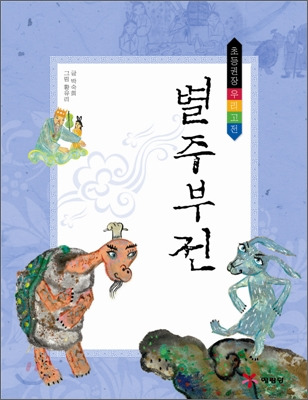
(6) 🐢🐰 별주부전 Learn Korean Through a Folktale: The Turtle and the Rabbit 토끼와 자라
🐢🐰 별주부전 – [byeol-ju-bu-jeon]
A tale of wit, deception, and survival from the deep sea to dry land.
이야기의 핵심은 영리한 토끼와 충직한 자라, 그리고 병든 용왕 사이의 갈등과 기지입니다.
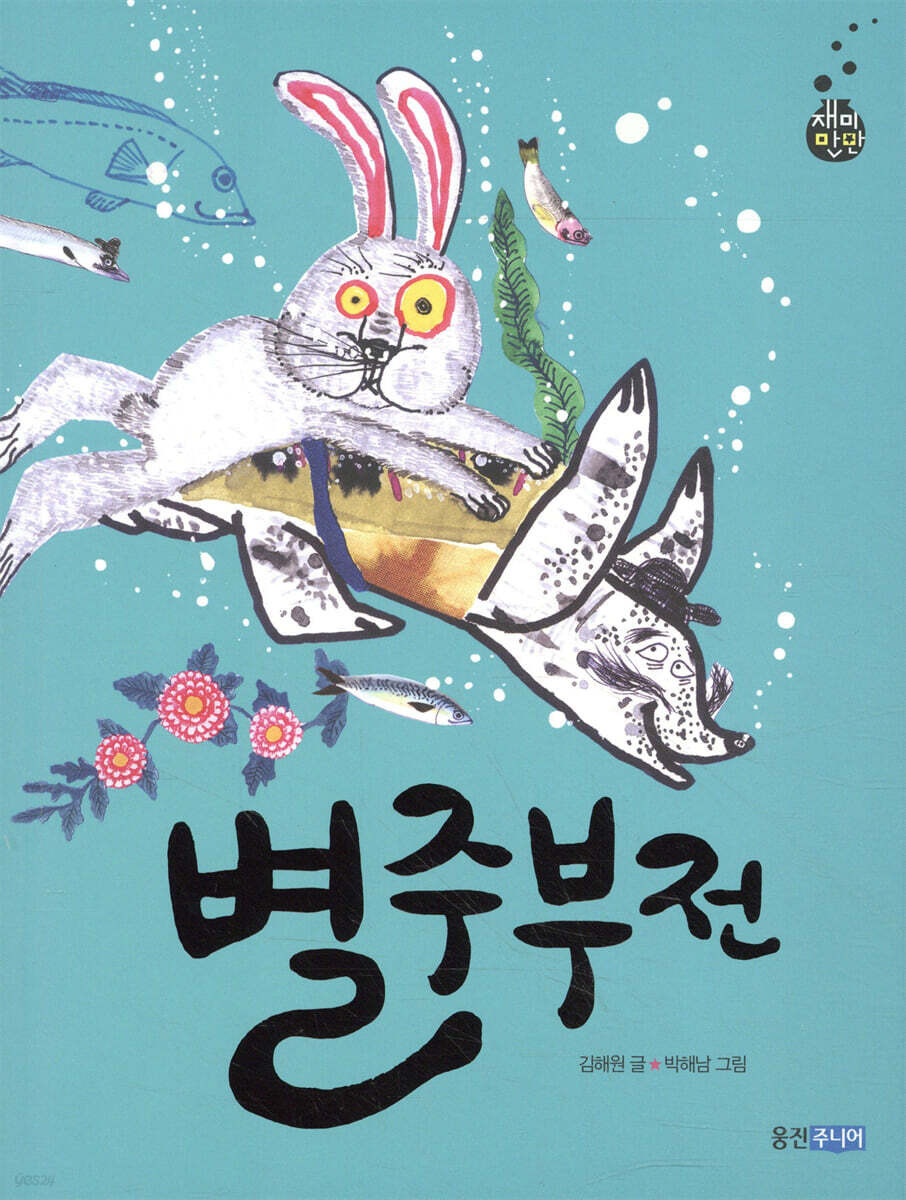
📖 Full Story (줄거리)
▶ English Storyline (영어 줄거리)
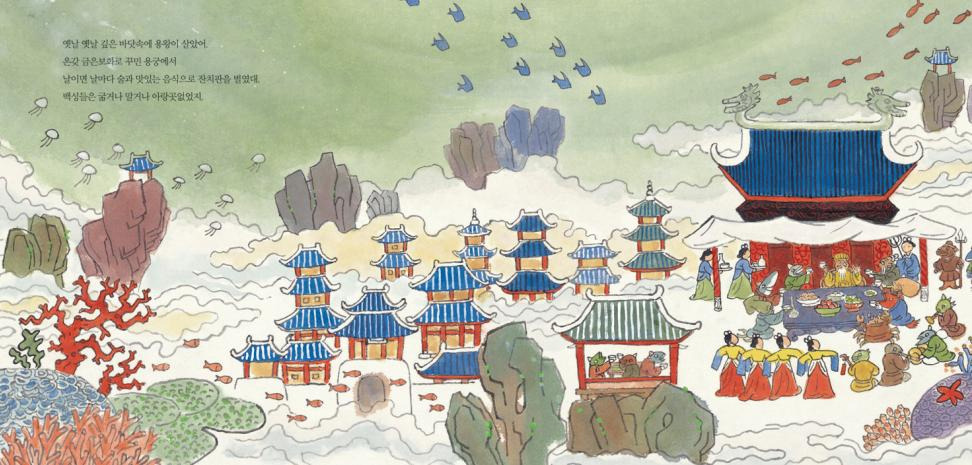
Once upon a time, the Dragon King of the Southern Sea fell seriously ill. According to the royal physician, the only cure for his mysterious illness was a rabbit’s liver. Desperate to save his master, a loyal turtle was chosen to go on land to find a rabbit.
The turtle surfaced from the sea and met a rabbit near the forest. He flattered the rabbit and invited him to the Dragon King's palace, promising a luxurious life under the sea. The rabbit, intrigued and naive, followed him to the underwater kingdom.
But once they arrived, the rabbit overheard the palace guards talking about offering his liver to cure the king. Realizing the danger, the clever rabbit pretended to be shocked and said, “Oh no! I left my liver hanging on a tree branch to dry. It’s not with me now!”
The turtle, too honest to suspect a trick, brought the rabbit back to land to retrieve his liver. As soon as the rabbit stepped onto solid ground, he laughed and said, “You really believed I’d take out my liver and leave it behind?” He then hopped away, leaving the turtle stunned, alone, and empty-handed.
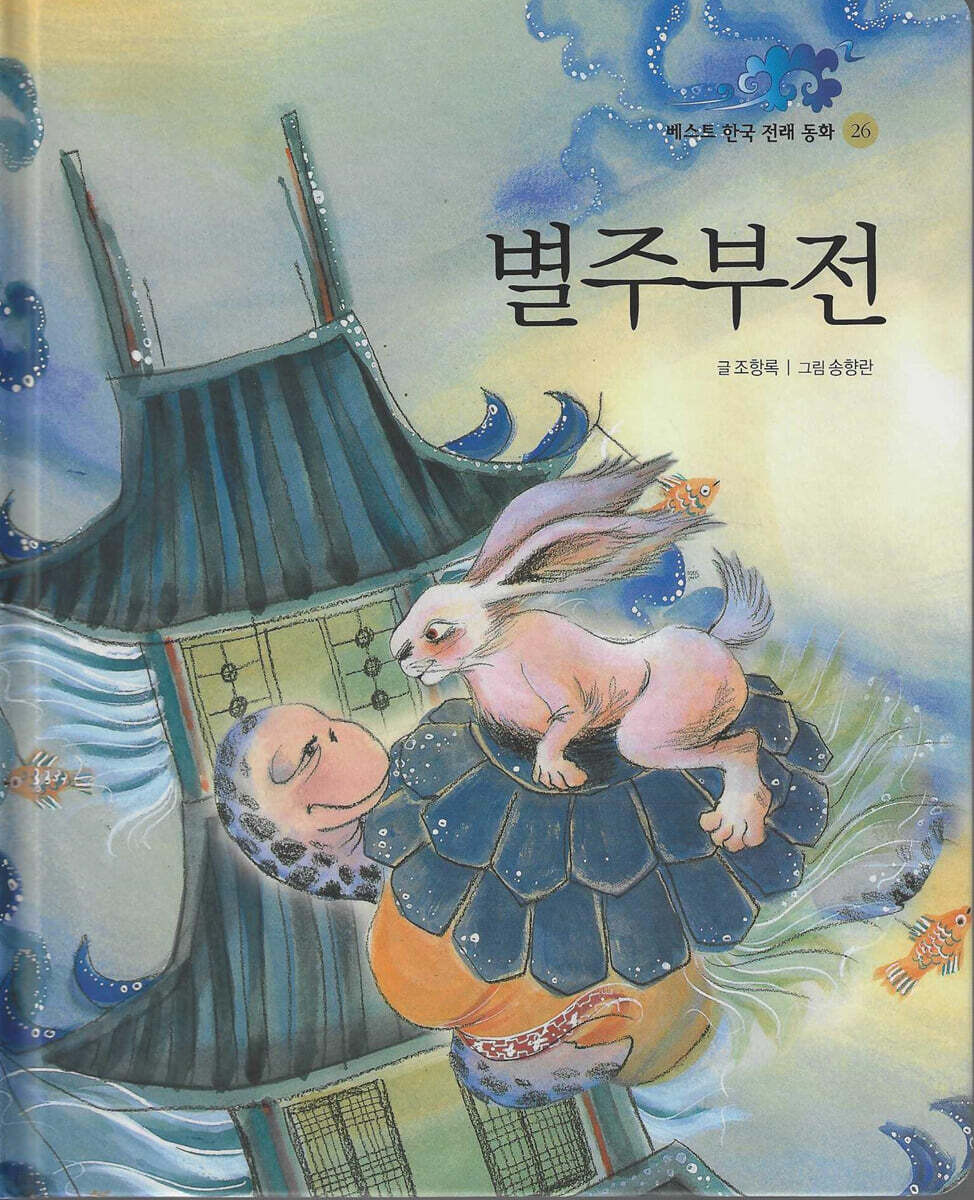
▶ Korean Storyline (한국어 줄거리)
옛날 옛적, 남쪽 바다 용궁의 용왕이 큰 병에 걸렸습니다. 수라상도 입에 대지 못하고 날로 기력이 약해지자 어의는 간절한 표정으로 말했습니다. “전하, 토끼의 간만이 이 병을 고칠 수 있습니다.”
이에 충직한 자라가 나섭니다. 자라는 먼 육지까지 나가 토끼를 찾고, “용왕님이 당신을 궁으로 초대하고 싶어 하신다”고 꾀어 토끼를 용궁으로 데려옵니다. 토끼는 처음에는 놀라지만, 바닷속 구경을 할 수 있다는 말에 홀린 듯 따라갑니다.
그러나 곧 용궁에서 자신의 간이 필요하다는 말을 들은 토끼는 기지를 발휘합니다. “어머, 저는 간을 땅 위 나무에 걸어두고 왔어요! 그걸 가져와야 하겠네요.” 자라는 아무 의심 없이 토끼를 다시 땅으로 데려갑니다.
토끼는 뭍에 도착하자마자 재빠르게 도망치며 말합니다. “간을 꺼내서 나무에 걸어두는 동물이 어딨냐? 하하!” 결국 자라는 망연자실, 빈손으로 돌아갈 수밖에 없었습니다.


🎓 Moral of the Story (교육적 메시지)
Sometimes, wit can triumph over loyalty and power.
때로는 충성심이나 권력보다 재치 있는 기지가 더 큰 힘을 발휘할 수 있습니다.
This tale emphasizes the value of clever thinking and the ability to adapt to unexpected situations—an important life lesson in any culture.

🌍 Similar Stories from Around the World (비슷한 이야기)
- Br'er Rabbit and the Tar Baby (United States)
A tale from African-American folklore where a clever rabbit outwits his enemies using trickery and speech. - The Tortoise and the Hare (Aesop's Fables)
Though not a trickster tale, this story contrasts a slow, determined turtle with an overconfident rabbit, highlighting perseverance vs. arrogance. - Ananse the Spider (Ghana)
Ananse, the West African trickster, often uses his cleverness to escape dangerous situations—much like the rabbit.
💬 Korean Proverb (한국 속담)
“호랑이한테 물려가도 정신만 차리면 산다”
Even if you’re caught by a tiger, you can survive if you keep your wits about you.
큰일날 상황에 빠지더라도 정신만 차리면 산다는 뜻으로, 위기 속에서도 침착하게 대응하면 해결할 수 있다는 교훈을 담고 있습니다.
This means that even in a dangerous or life-threatening situation, staying calm and thinking clearly can lead to survival. It teaches the importance of keeping composure in the face of adversity.
This matches well with the rabbit’s clever escape in The Tale of the Turtle and the Rabbit.
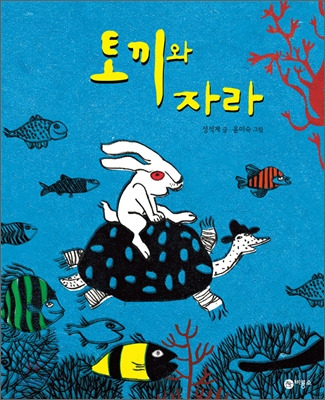
🧠 Mini Korean Lesson (미니 한국어 레슨)
Korean Word Pronunciation Meaning
| 자라 | [ja-ra] | soft-shelled turtle |
| 토끼 | [to-kki] | rabbit |
| 간 | [gan] | liver |
| 용왕 | [yong-wang] | Dragon King |
| 용궁 | [yong-gung] | Dragon Palace |
🔍 Expression to remember:
“간이 콩알만 해지다” – [gan-i kong-al-man hae-ji-da]
Literal: "The liver becomes the size of a bean"
🗣️ Meaning: To be extremely scared
📌 Try using these! (대화문 구성)
A: 자라가 왜 토끼를 데려간 거야?
B: 용왕의 병을 고치려면 토끼 간이 필요했대.
A: 근데 토끼가 간을 나무에 두고 왔다고 속였잖아!
B: 완전 속은 자라… 불쌍해!
🗣️ English Version:
A: Why did the turtle take the rabbit?
B: The Dragon King needed a rabbit’s liver to get better.
A: But the rabbit tricked him, saying he left it on a tree!
B: Poor turtle... he totally fell for it!
🎐 Cultural Note (문화 정보)
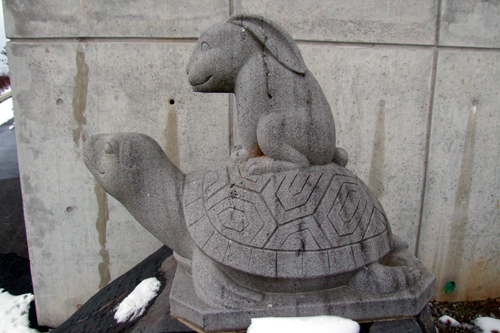
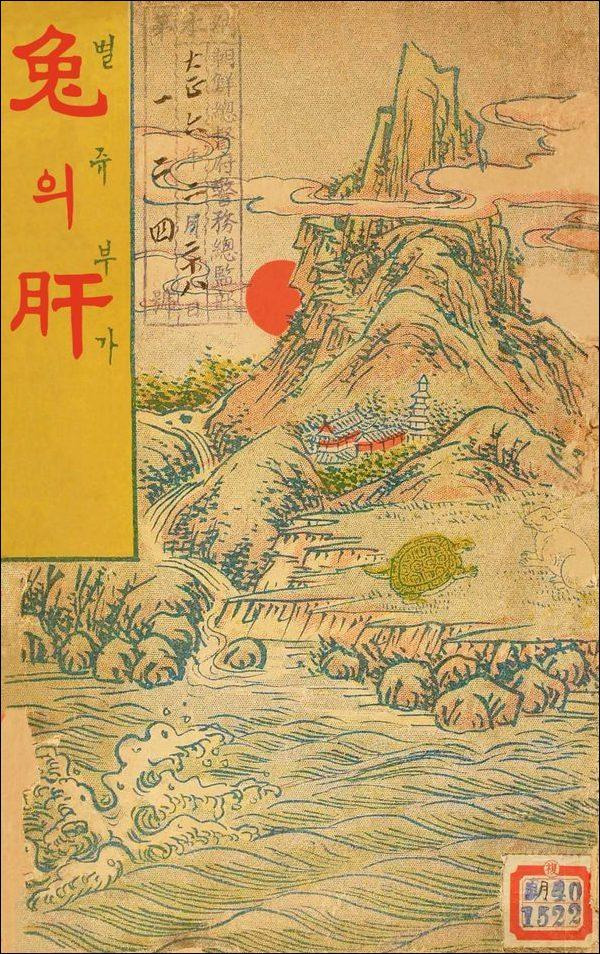
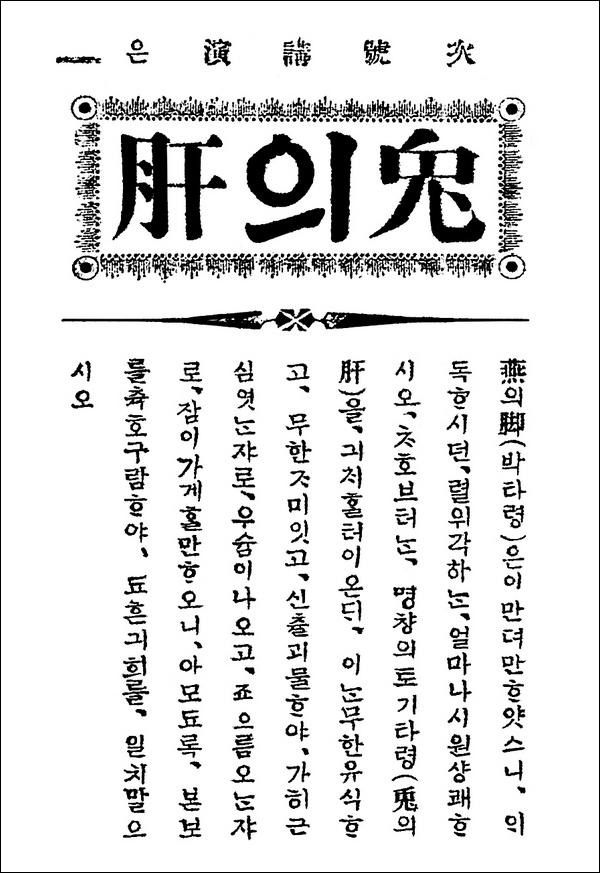
📖 Byeoljubu-jeon (별주부전) is a satirical pansori tale from the late Joseon dynasty, originally performed by gwangdae (traditional entertainers).
별주부전은 조선 후기의 풍자적인 판소리 이야기로, 원래는 광대들이 공연하던 것이었습니다.
The story criticizes blind obedience to authority (represented by the turtle) and celebrates wit and survival instinct (embodied by the rabbit).
이 이야기는 (거북이를 통해) 권력에 대한 맹목적인 복종을 풍자하고, (토끼를 통해) 재치와 생존 본능을 찬양합니다.
It reflects deeper Confucian dilemmas of loyalty vs. personal safety.
이 이야기에는 충성과 개인의 안위를 둘러싼 유교적 딜레마가 반영되어 있습니다.
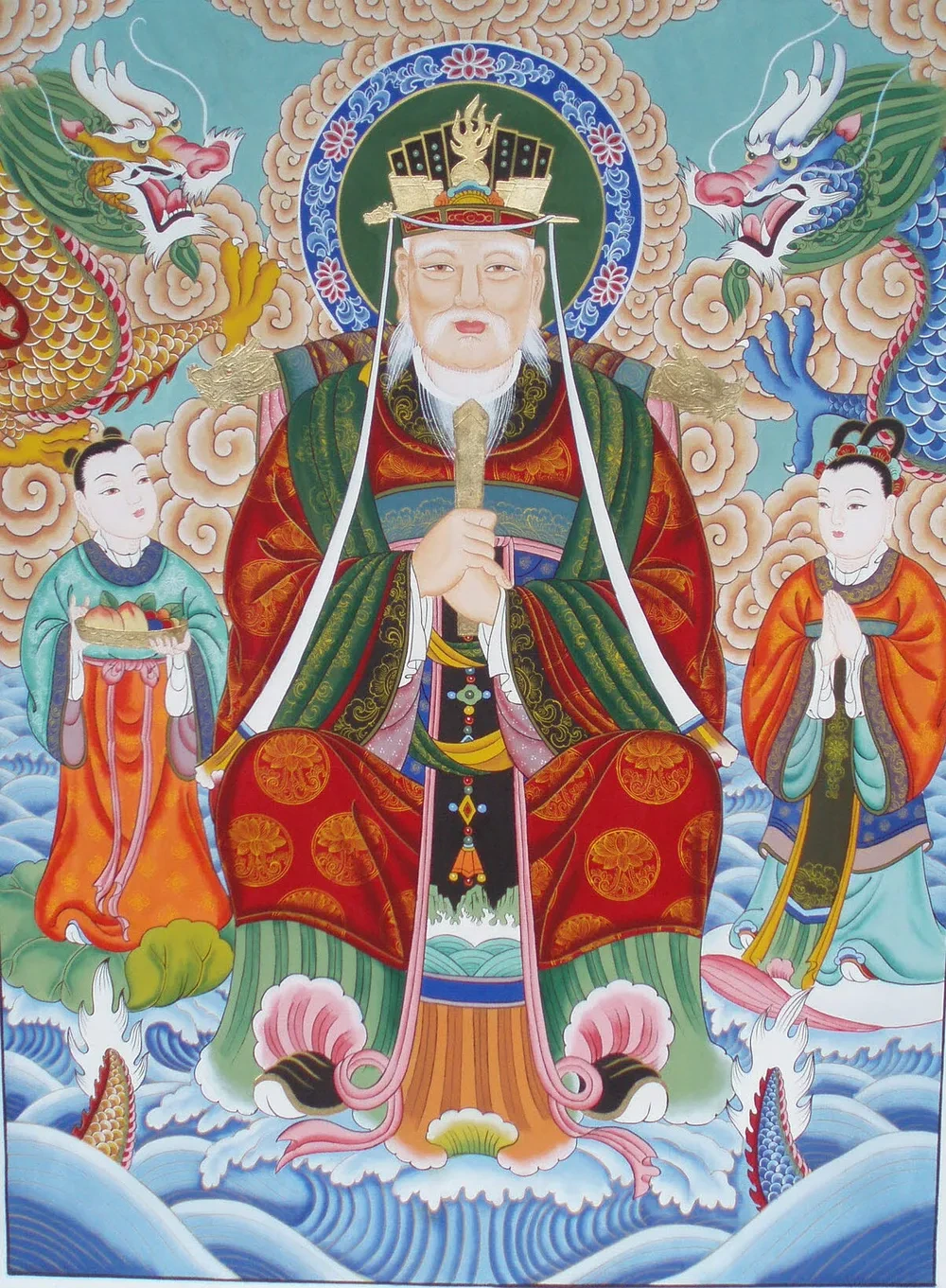
🐉 The Dragon King (용왕) is a frequent figure in Korean mythology and is often portrayed as a majestic but sometimes foolish ruler of the sea.
용왕은 한국 신화에서 자주 등장하는 인물로, 바다의 위엄 있는 통치자이면서도 가끔 어리석은 모습으로 그려지곤 합니다.
This story was so popular that it was adapted into many pansori performances, picture books, children's animations, and school plays.
이 이야기는 인기가 많아 판소리 공연은 물론, 그림책, 어린이 애니메이션, 학교 연극 등으로도 다양하게 재구성되었습니다.


더 많은 이야기가 이어질 거예요!
채널 고정!
More to come!
Stay tuned!
@ 서울 사람 Seoul Zian 서울지앵
#별주부전 #ByeoljubuJeon
#토끼와자라 #TurtleAndRabbit
#한국전래동화 #KoreanFolktales
#판소리 #Pansori
#용왕이야기 #DragonKingStory
#토끼의지혜 #RabbitWit
#풍자동화 #SatiricalTale
#한국문화 #KoreanCulture
#한국신화 #KoreanMythology
#전래동화영어로 #BilingualFolktale
#한국어학습 #LearnKorean
#문화로배우는한국어 #CulturalKorean
#한국어표현 #KoreanExpressions
#동화로배우는한국어 #KoreanThroughStories
#BilingualStory #이중언어이야기
#RabbitVsTurtle #토끼vs자라
#ConfucianValues #유교정신
#SurvivalAndWit #지혜와생존