(7)🌸 선녀와 나무꾼 Learn Korean Through a Folktale: The Woodcutter and the Fairy
선녀와 나무꾼 [seon-nyeo-wa na-mu-kkun]
👣 A tale of love, separation, and regret between a human and a celestial being.
하늘에서 내려온 선녀와 인간 나무꾼의 사랑과 이별, 그리고 후회의 이야기
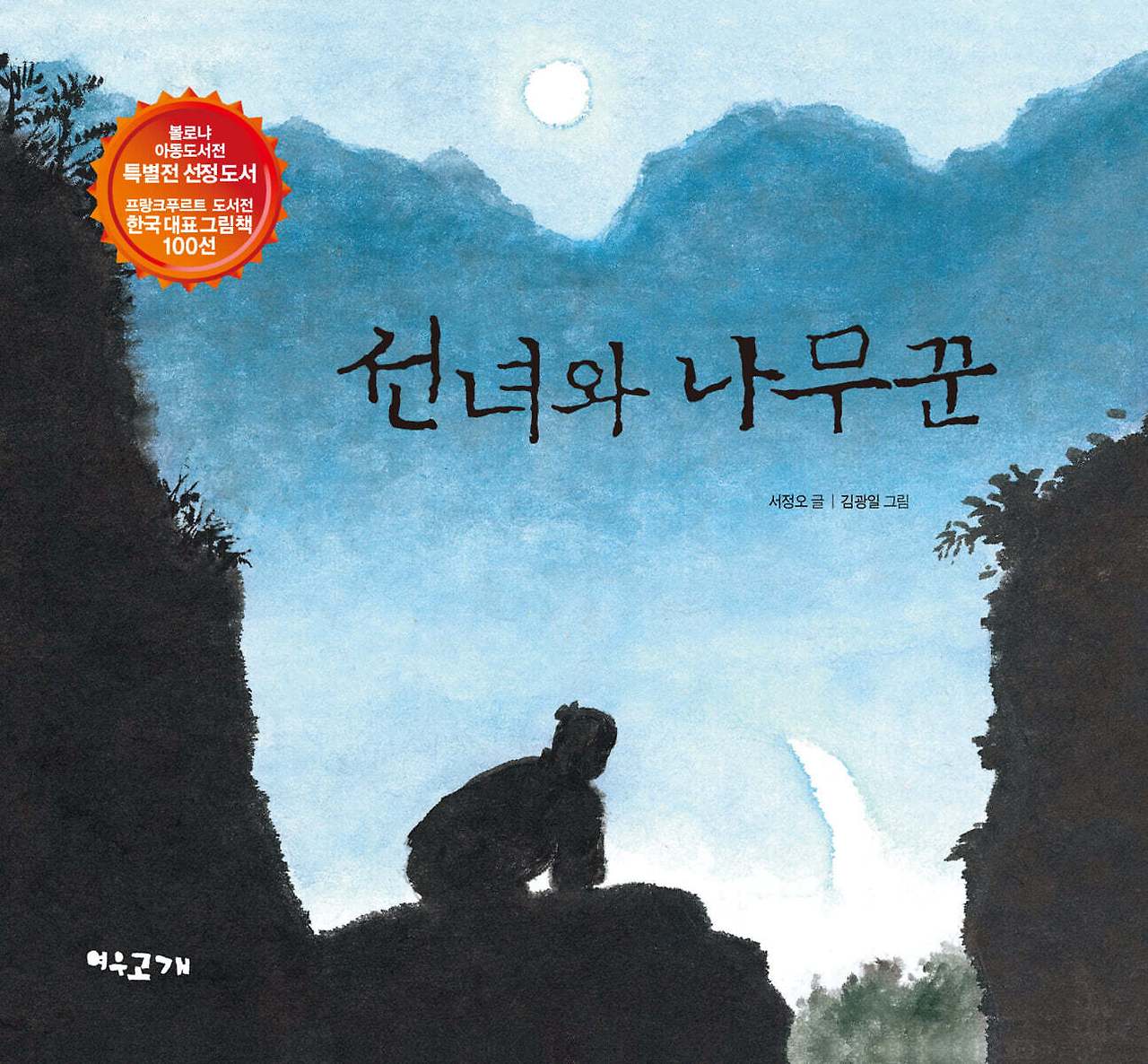
📖 Full Story (줄거리)
▶ English Storyline (영어 줄거리)
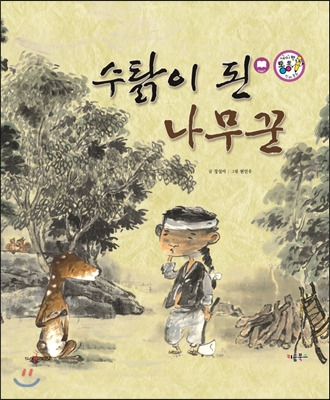
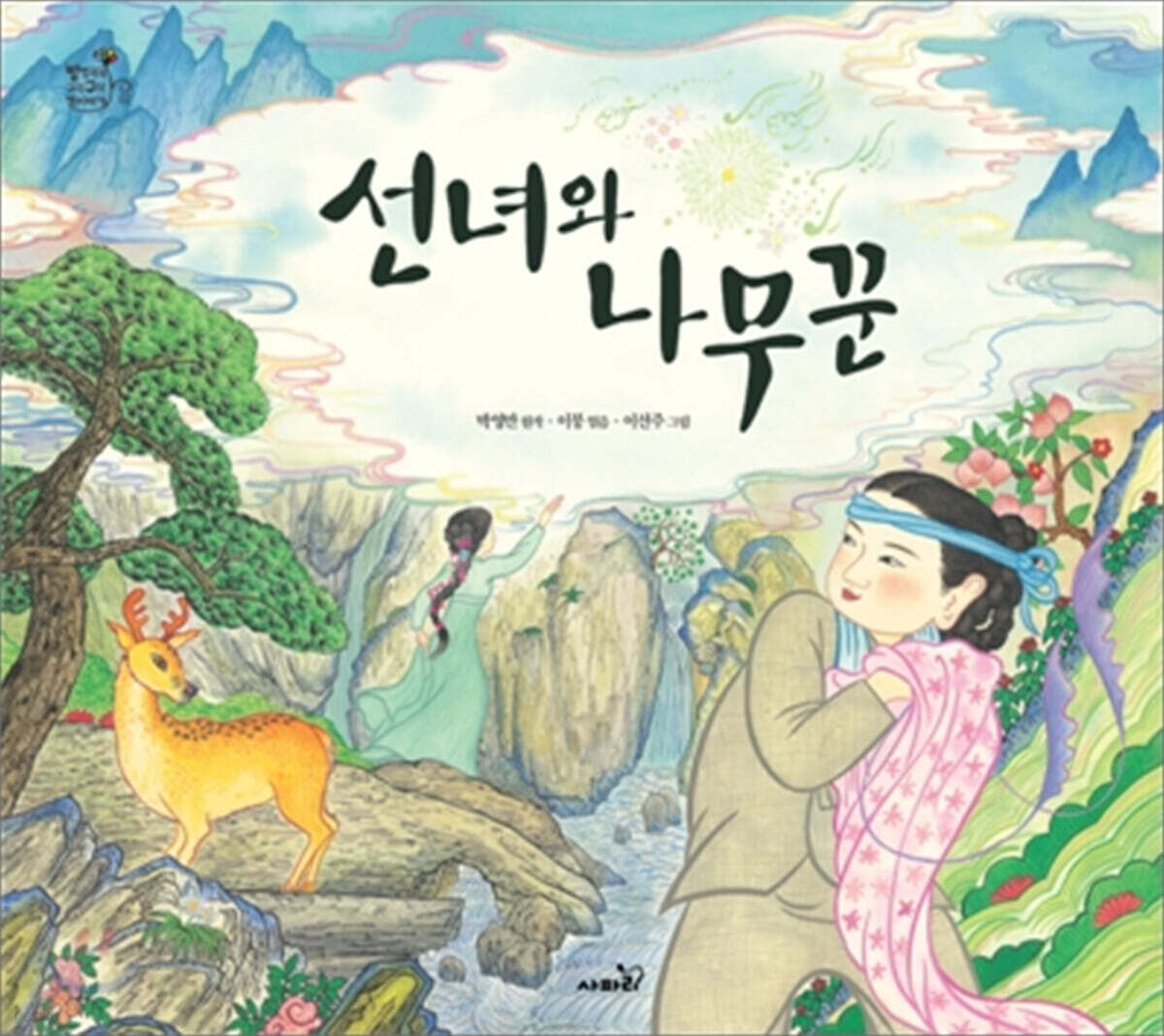
A kind-hearted woodcutter helps a wounded deer in the forest. In gratitude, the deer reveals a secret: fairies descend from heaven to bathe in a hidden pond.
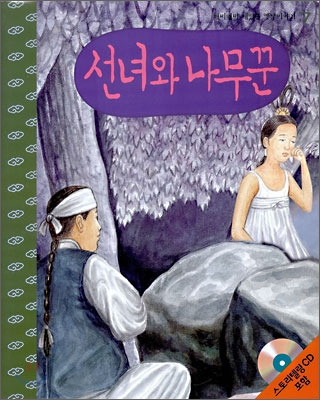
The woodcutter hides the winged robe of one fairy, preventing her from returning to the sky. He marries her and they live happily on Earth.
The deer had warned him: “Don’t return her robe until you have three children.” But feeling pity for his homesick wife, the woodcutter gives it back after their second child is born.
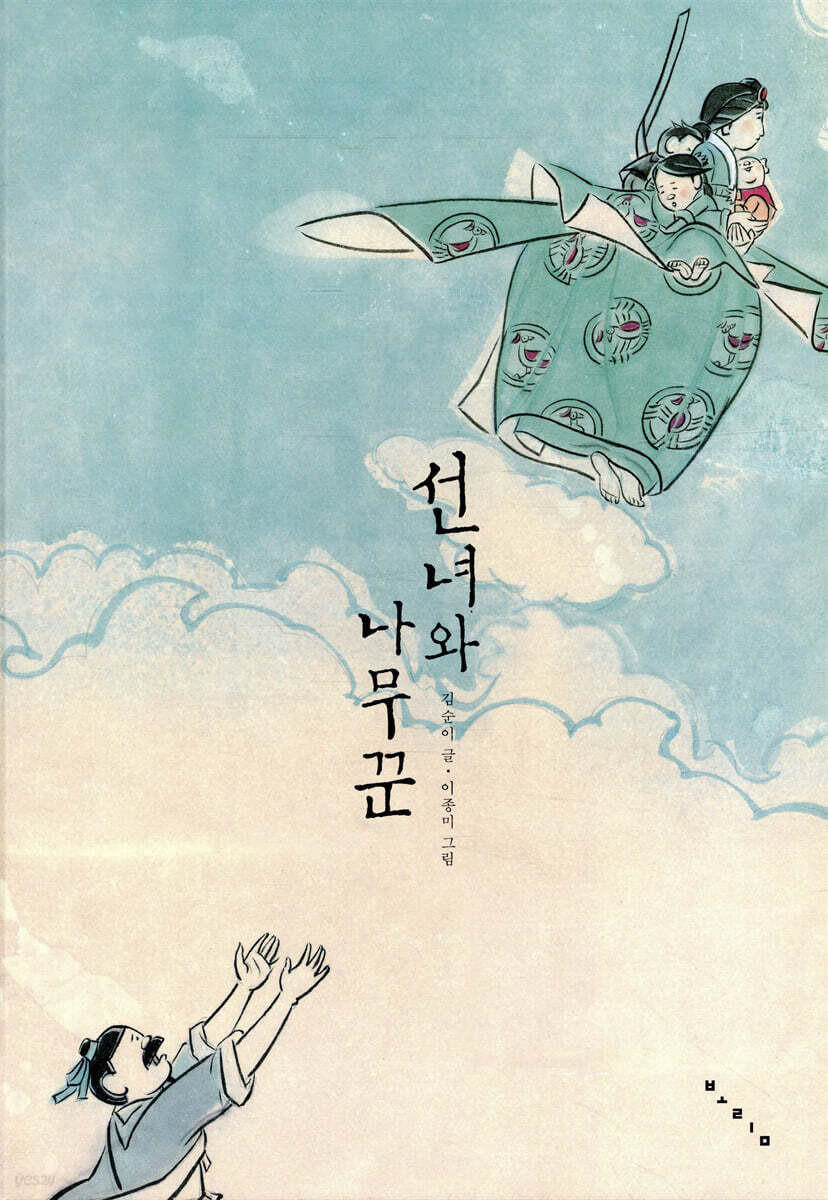
The moment she gets her robe, the fairy takes both children in her arms and flies back to the heavens, leaving the heartbroken woodcutter behind.
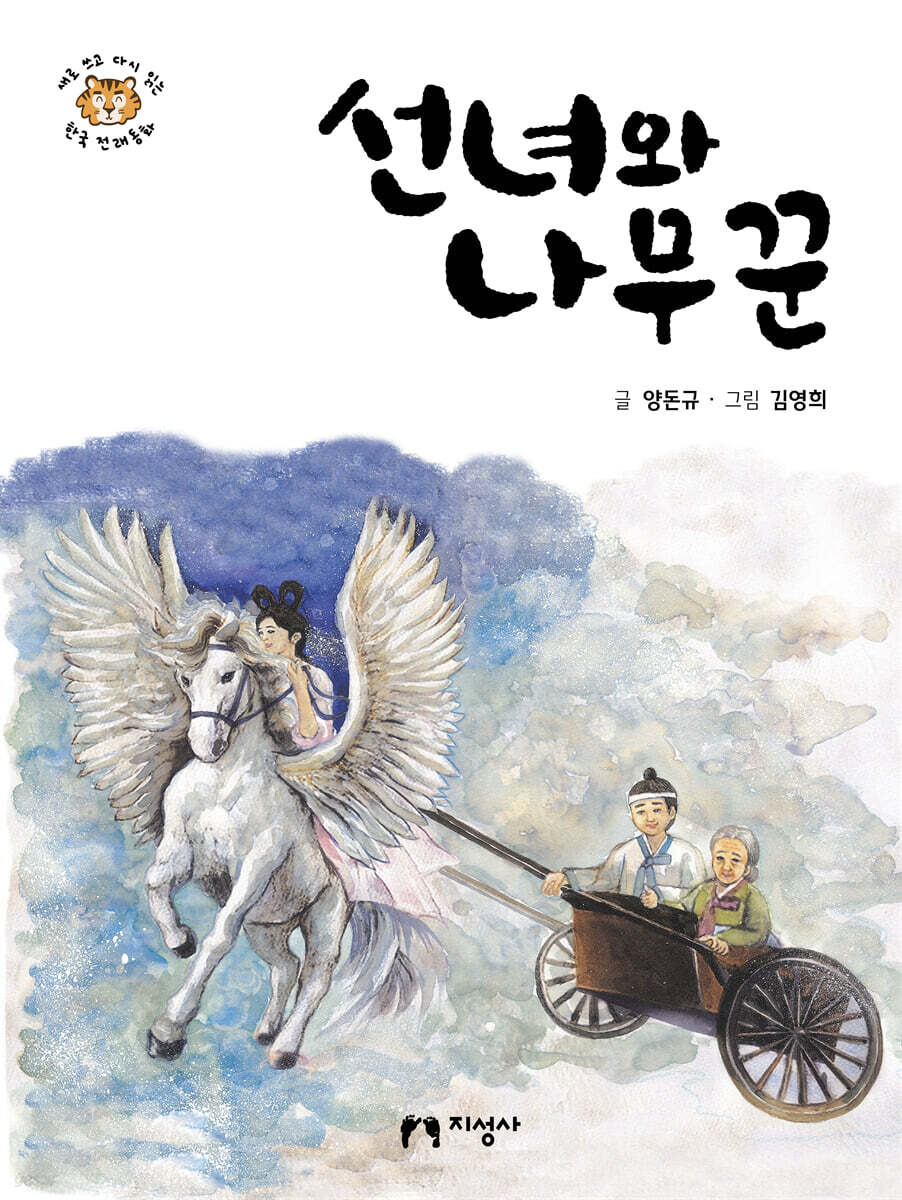
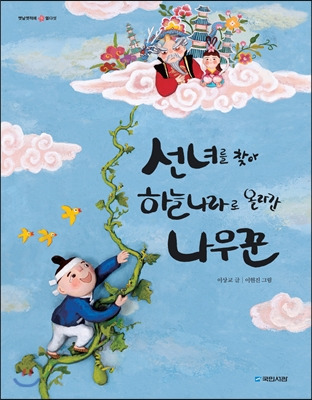
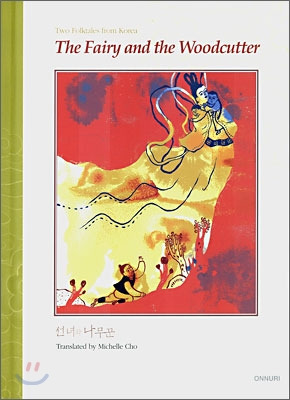
Desperate to reunite with her, he rides a magical gourd up to the sky. They are briefly reunited. But later, worried about his aging mother left on Earth, the woodcutter returns to visit her.
The fairy tells him not to get off the horse, no matter what. However, while eating pumpkin porridge that his mother offers, he spills a little, startling the horse. The horse runs away, stranding him on Earth forever.
The woodcutter waits and waits, looking up at the sky each day. Eventually, he is said to have turned into a rooster, who still cries toward the heavens every morning.
▶ Korean Storyline (한국어 줄거리)
착한 나무꾼이 산에서 다친 사슴을 구해줍니다. 사슴은 보답으로 선녀들이 하늘에서 내려와 연못에서 목욕하는 비밀을 알려줍니다.
나무꾼은 몰래 한 선녀의 날개옷을 숨겨서 그녀가 하늘로 돌아가지 못하게 합니다. 그리하여 선녀는 지상에서 나무꾼과 혼인하고 평화롭게 살아갑니다.
하지만 사슴은 미리 경고합니다. "아이 셋을 낳기 전에는 절대 날개옷을 돌려주지 마라."
하지만 선녀가 고향을 그리워하며 슬퍼하자, 나무꾼은 두 아이를 낳은 후 안심하고 날개옷을 돌려줍니다.
그러자 선녀는 날개옷을 입고 두 아이를 품에 안은 채 하늘로 날아가버립니다.
슬픔에 빠진 나무꾼은 결국 하늘로 올라가는 마법의 박을 타고 아내를 찾아갑니다. 하늘나라에서 가족이 다시 만나지만, 지상에 홀로 남은 노모가 걱정되어 아내에게 양해를 구하고 다시 지상으로 내려옵니다.
아내는 “절대 말에서 내리지 말라”고 당부하지만, 나무꾼은 어머니가 건넨 호박죽을 먹다 그릇을 떨어뜨려 말이 놀라 달아나 버립니다.
그 결과 그는 다시는 하늘로 돌아가지 못하게 되고, 매일같이 하늘을 바라보며 그리움에 빠집니다.
사람들은 그 나무꾼이 결국 수탉이 되어, 매일 아침 하늘을 향해 “꼬끼오” 하고 울며 아내와 자식을 그리워한다고 말합니다.
🎓 Moral of the Story (교육적 메시지)
Sometimes good intentions are not enough—trust and patience matter.
때로는 선한 의도만으로는 부족하다 — 믿음과 인내가 중요하다.
Breaking promises, even for love or compassion, can lead to irreversible consequences.
사랑이나 연민 때문에 한 약속을 어기면 되돌릴 수 없는 결과를 초래할 수 있다.
Respecting boundaries and timing is essential in both relationships and fate.
인간관계든 운명이든, 타이밍과 경계를 지키는 것이 중요하다.
🌍 Similar Stories from Around the World (비슷한 이야기)
- 🏹 The Cowherd and the Weaver Girl (China, 牛郎织女)
A heavenly maiden falls in love with a human. After disobeying celestial rules, they are only allowed to meet once a year across the Milky Way.
하늘에서 온 직녀가 인간 견우와 사랑에 빠지고, 천상의 규칙을 어겨 은하수를 사이에 두고 1년에 단 한 번만 만날 수 있게 됩니다.
💬 Though the plot is different, the structure is similar: a heavenly being and a human fall in love but are separated due to divine laws.
줄거리는 다르지만, 하늘의 존재와 인간이 사랑에 빠지고 이별을 겪는 구조는 유사합니다.
👑 Cupid and Psyche (Greece)
A mortal woman falls in love with a god but breaks a rule due to curiosity, causing separation and hardship before reunion.
인간 여성 프시케가 신 큐피드와 사랑에 빠지지만, 호기심으로 금기를 어기고 이별과 고난을 겪은 뒤에 다시 재회합니다.
🧚♀️ Fairy Bride Stories (Europe, Celtic folklore)
Many tales involve men marrying fairies by stealing or hiding their magical garments, often leading to regret.
유럽 전승에는 남자가 선녀의 날개옷(마법의 옷)을 숨겨 결혼하는 이야기가 많습니다. 대부분 나중에 선녀가 떠나고, 남자는 후회하게 됩니다.
🎐 The Crane Wife (Japan, 鶴の恩返し)
A man helps an injured crane, who later appears as a woman and becomes his wife. But he breaks a promise and loses her.
한 남자가 다친 학을 도와줍니다. 나중에 그 학은 여인의 모습으로 나타나 아내가 되지만, 금기를 어긴 남자는 결국 그녀를 잃게 됩니다.
💬 Themes of transformation, secrecy, and separation echo the Korean tale.
💬 변신, 비밀, 이별의 주제가 선녀와 나무꾼 이야기와 닮아 있습니다.
💬 Korean Proverb (한국 속담)
🗣 닭 쫓던 개 지붕 쳐다보듯 한다
Like a dog watching the roof after chasing a chicken
→ 원하는 것을 눈앞에서 놓쳐버린 뒤 어쩔 줄 몰라 하거나, 바라만 볼 수밖에 없는 상황을 말합니다.
🌕 In this folktale, the woodcutter loses the fairy forever after revealing her winged robe. Just like a dog that chased a chicken only to see it fly onto the roof, he can only gaze at the sky in regret.
이 이야기에서 나무꾼은 선녀의 날개옷을 알려준 뒤 그녀를 다시는 만날 수 없게 됩니다. 마치 닭을 쫓다 놓쳐서 지붕만 바라보는 개처럼, 그는 하늘만 바라보며 후회할 뿐입니다.
🧠 Mini Korean Lesson (미니 한국어 레슨)
Korean Word Pronunciation English Meaning Notes
| 선녀 | [seon-nyeo] | fairy (female celestial being) | Often depicted wearing winged robes |
| 나무꾼 | [na-mu-kkun] | woodcutter | Common folktale character |
| 날개옷 | [nal-gae-ot] | winged robe | Magical clothing for flight |
| 하늘나라 | [ha-neul-na-ra] | heaven / celestial realm | “Sky country” in literal translation |
| 하늘로 올라가다 | [ha-neul-lo ol-la-ga-da] | to ascend to the sky | Often used for returning to the celestial realm |
📘 Example Sentences with English-Korean Translation
1. 선녀는 날개옷을 입고 하늘로 날아갔어요.
The fairy wore her winged robe and flew back to the sky.
2. 나무꾼은 숲에서 장작을 하다가 선녀를 보았어요.
The woodcutter saw the fairy while collecting firewood in the forest.
3. 날개옷을 숨기면 선녀는 하늘나라로 돌아갈 수 없어요.
If you hide the winged robe, the fairy can’t return to heaven.
4. 그녀는 하늘나라가 그리워서 돌아가고 싶어했어요.
She missed her home in the sky and longed to return.
5. 그 남자는 하늘로 올라갔지만, 다시 지상에 내려온 뒤에는 돌아가지 못했어요.
The man tried to go up to heaven, but he couldn't return once he came back down.
📌 Try using these! (대화문 구성)
A: 선녀는 왜 하늘로 돌아갔어?
Why did the fairy return to the sky?
B: 날개옷을 되찾고 아이들과 함께 떠났어.
She left after getting her winged robe back with her children.
A: 나무꾼은 하늘에 다시 올라갔어?
Did the woodcutter return to heaven?
B: 갔지만 말에서 떨어져서 다시는 못 올라갔어.
He did, but he fell off the horse and couldn’t go back again.
🎐 Cultural Note (문화 정보)
🎭 선녀와 나무꾼 /seonnyeo-wa namukkun/ –
The Woodcutter and the Fairy is one of Korea’s most famous love-tragedy folktales.
선녀와 나무꾼은 한국에서 가장 널리 전해지는 비극적인 사랑 이야기입니다.

💫 선녀 /seonnyeo/ – Celestial Maiden
Celestial maidens (fairy) are common in East Asian folklore, symbolizing grace, purity, and divine femininity.
선녀는 우아함과 순결, 신성한 여성성을 상징하는 존재로 자주 등장합니다.
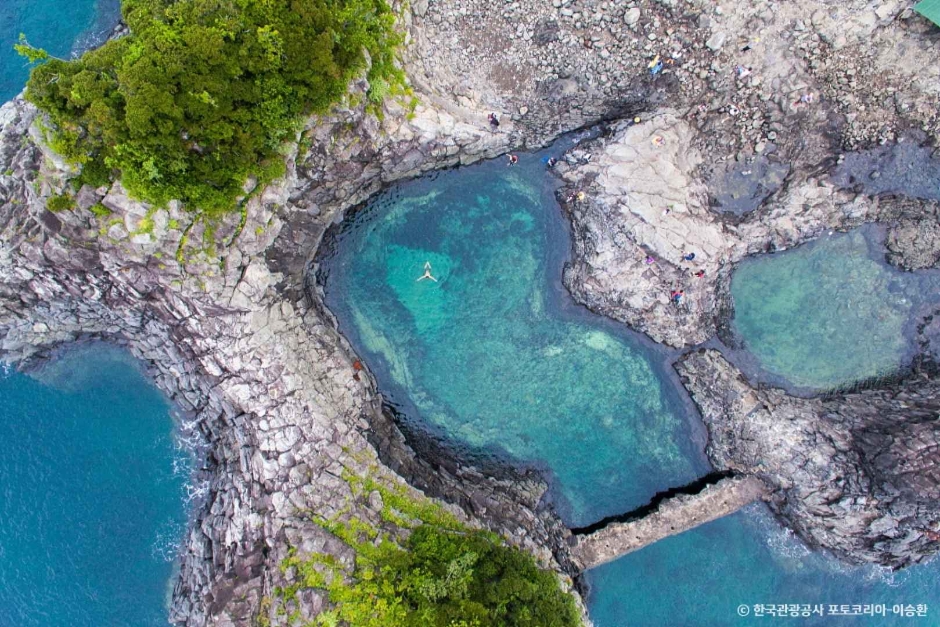

🏞️ 선녀탕 /seonnyeo-tang/ – Natural Rock Pools
In Korean valleys, natural pools that resemble stone bathtubs are called Seonnyeo-tang, or "Fairy Bath."
한국의 계곡에서 바위로 형성된 웅덩이를 선녀탕이라 부르며, 전설 속 선녀가 목욕하던 신비로운 장소로 여겨집니다.

🍲 호박죽 /hobak-juk/ – Pumpkin Porridge
A warm, soft porridge made from pumpkin, symbolizing family warmth and seasonal care.
호박죽은 겨울철 즐겨 먹는 음식으로, 이야기 속에서는 어머니의 사랑과 이별의 상징으로 등장합니다.

🐓 수탉 /sutak/ – Rooster
At the end of the tale, the woodcutter becomes a rooster, forever crying toward the sky in longing.
이야기 마지막에 나무꾼은 수탉이 되어, 하늘을 향해 아내를 그리며 매일 울게 됩니다.

더 많은 이야기가 이어질 거예요!
채널 고정!
More to come!
Stay tuned!
@ 서울 사람 Seoul Zian 서울지앵
#선녀와나무꾼 #TheWoodcutterAndTheFairy
#한국전래동화 #KoreanFolktale
#선녀 #CelestialMaiden
#나무꾼 #Woodcutter
#날개옷 #WingedRobe
#하늘나라 #HeavenlyRealm
#호박죽 #PumpkinPorridge
#수탉전설 #RoosterLegend
#사랑과이별 #LoveAndSeparation
#금기를깨다 #BreakingTheTaboo
#민속설화 #KoreanMythology
#한국문화 #KoreanCulture
#전래동화여행 #FolktaleJourney
#비극적인사랑 #TragicLoveStory
#선녀탕 #SeonnyeoTang
#옛이야기 #OldTale