(5)🌸 해님 달님 Learn Korean Through a Folktale: The Brother and Sister Who Became the Sun and the Moon 해와 달이 된 오누이 – Cleverness, Danger, and Divine Rescue
📖 Full Story (줄거리)
▶ English Storyline (영어 줄거리)
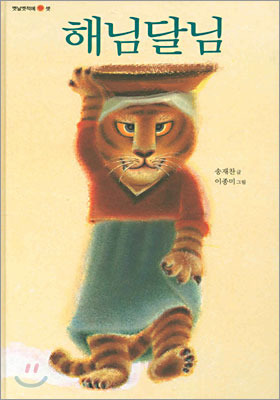
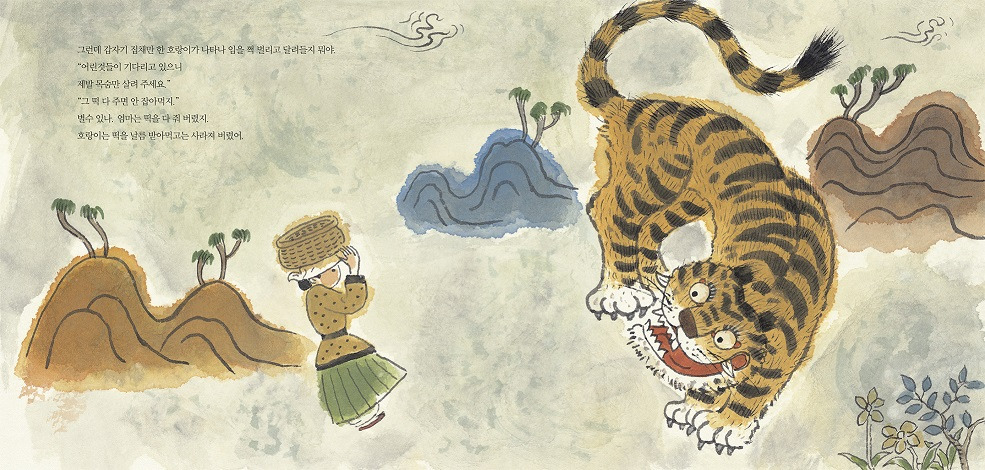
Once upon a time in a quiet mountain village, a mother and her two children lived peacefully. One day, while returning home from work with a bundle of rice cakes, the mother met a hungry tiger. At every mountain ridge, the tiger demanded, “Give me a rice cake, and I won’t eat you.” She gave all her rice cakes, then her clothes. At the twelfth ridge, the tiger devoured her and disguised himself in her clothing.
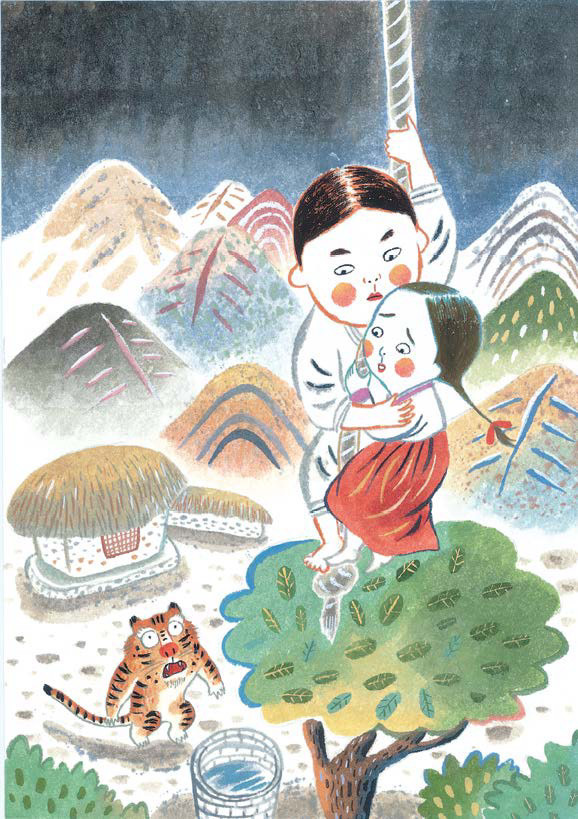
He came to the children’s house pretending to be their mother. The clever children noticed something was wrong and climbed a tall tree beside a well. When the tiger asked how to climb up, the brother lied that he used sesame oil to slide up. The tiger followed their advice and managed to climb. As the tiger approached, the children prayed to heaven. A golden rope descended and lifted them into the sky.
The tiger, too, prayed and received a rotten rope, which broke mid-air. He fell into a sorghum field, which turned red from his blood. The sister became the sun, and the brother became the moon. Because the sister was shy, she didn’t want people staring at her. That’s why the sun shines so brightly, it's hard to look at.

▶ Korean Storyline (한국어 줄거리)
옛날 깊은 산속에 어머니와 오누이가 살고 있었어요. 어머니는 품을 팔고 돌아오던 길에 호랑이를 만났고, 호랑이는 고개를 넘을 때마다 “떡 하나 주면 안 잡아먹지” 하며 떡을 요구했어요. 어머니는 떡을 모두 주고 나중에는 옷까지 벗어주었지만, 결국 열두 번째 고개에서 호랑이에게 잡아먹히고 말았어요.
호랑이는 어머니의 옷을 입고 아이들을 속여 집 안에 들어가려 했지만, 오누이는 눈치를 채고 우물 옆 큰 나무 위로 도망쳤어요. 호랑이가 “어떻게 올라갔느냐?” 묻자, 오빠는 참기름을 발라서 올라왔다고 거짓말했어요. 호랑이는 그 말을 믿고 따라 올라왔죠. 동생은 너무 웃겨서 도끼로 찍고 올라왔다고 말해버렸고, 호랑이는 점점 가까워졌어요.
오누이는 하늘에 간절히 기도했고, 금줄이 내려와 하늘로 올라가게 되었어요. 호랑이는 썩은 줄을 받고 올라오다 떨어져 수수밭에 떨어졌고, 그래서 수수는 지금도 빨갛대요. 하늘에 오른 오누이는 각각 해와 달이 되었고, 부끄러움이 많은 여동생은 사람들이 자기를 보지 못하게 밝은 빛을 내리쬐었어요. 그래서 해를 보면 눈이 부신대요.
🎓 Moral of the Story (교육적 메시지)
“Cleverness and courage can overcome even the greatest danger.”
지혜와 용기는 가장 무서운 위험도 이겨낼 수 있다.

🌍 Similar Stories from Around the World (비슷한 이야기)
- Philippines: Why the Sun and the Moon Live in the Sky – The couple flees the flood and rises to the sky.
- Japan: The Grateful Crane – Magical beings in disguise and transformation.
- Western: Jack and the Beanstalk – A boy climbs to the sky and outsmarts a giant.

🧠 Mini Korean Lesson (미니 한국어 레슨)
“떡 하나 주면 안 잡아먹지!”
Literal meaning: "Give me one rice cake, and I won’t eat you!"
이 표현은 아주 유명하고 여전히 장난스럽게 이곳저곳에서 사용중인 표현입니다.
어떤 것을 장난스럽게 요구할 때 '떡' 대신 '요구하는 것'을 넣어서 쓰기도 합니다.
This phrase is very well-known and is still jokingly used in many situations today.
People often replace “rice cake” with whatever they want, using the phrase in a playful way to ask for something.
📌 떡 (tteok) – rice cake
📌 잡아먹다 (jabameokda) – to devour (used by beasts)
📌 안 잡아먹지 – I won’t eat you
👉 Often used humorously to mimic greedy demands or sly threats.
Practice saying it like a tiger!
“떡 하나 주면 안 잡아먹지~!”
📌 Try using these! (대화문 구성)
A: 이 수수는 왜 이렇게 빨갛지?
B: 옛이야기 몰라? 호랑이가 떨어져서 그런 거래!
A: 아~ “떡 하나 주면 안 잡아먹지!” 그거?
B: 맞아! 근데 결국엔 잡아먹혔잖아!
A: 하하. 그러네. 나쁜 호랑이. 그래서 수수밭에 떨어졌군.
A: Why is this sorghum so red?
B: Don’t you know the old story? A tiger fell here—that’s why!
A: Oh~ You mean the “Give me one rice cake and I won’t eat you!” story?
B: Yep! But in the end, the tiger did eat her.
A: Haha, that’s true. Bad tiger. So that’s why it fell into the sorghum field!

🎐 Cultural Note (문화 정보)
The story of the Brother and Sister Who Became the Sun and Moon is one of the most beloved Korean folktales.
해와 달이 된 오누이는 한국에서 가장 널리 알려진 전래동화 중 하나입니다.
It reflects themes of cleverness, innocence, and cosmic justice, often told to children as a bedtime story with moral lessons.
이야기에는 지혜, 순수함, 그리고 우주의 정의 실현이라는 주제가 담겨 있으며, 어린이들에게 교훈을 주는 잠자리 이야기로 전해집니다.

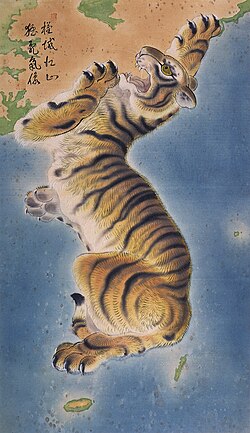
🐯 호랑이 – [ho-ra-ngi] – tiger
In Korean folklore, the tiger is a complex figure—both fearsome and comical.
한국 전통 속 호랑이는 무섭기도 하고, 익살스럽기도 한 상반된 이미지를 가진 존재입니다.
In some tales, it appears as a terrifying predator, while in others, it's a foolish and clumsy character who gets easily tricked by children.
어떤 이야기에서는 사나운 포식자로, 또 어떤 이야기에서는 아이들에게 속는 허당 같은 존재로 그려지기도 합니다.
In this tale, the tiger symbolizes greed and deception, disguising itself as the children’s mother.
이 이야기에서는 욕심 많고 속임수를 쓰는 존재로, 아이들의 엄마로 변장해 속이려는 호랑이가 등장합니다.
The expression "호환" (tiger disaster) reminds us that Korea was once home to many wild tigers.
“호환(虎患)”이라는 표현이 말해주듯, 과거 한국에는 야생 호랑이가 많이 살았습니다.
Today, however, they are nearly extinct on the Korean Peninsula—a sad reality that has turned this once-common animal into a symbol of endangered heritage.
하지만 지금은 거의 멸종 위기에 처해 있어, 호랑이는 이제 사라져가는 문화적 상징이 되었습니다.

🍘 떡 – [tteok] – rice cake
떡은 맵쌀이나 찹쌀을 다른 곡물이나 콩, 견과류, 또는 과일과 함께 쪄서 만드는 한국의 전통 간식입니다.
예로부터 생일, 결혼식, 제사, 명절과 같은 특별한 날이나 잔칫날에 빠지지 않고 등장했으며,
지금도 한국 사람들에게 매우 사랑받는 음식입니다.
Tteok is a traditional Korean treat made by steaming glutinous rice or regular rice together with other grains, beans, nuts, or fruits.
It has long been a staple on special occasions such as birthdays, weddings, ancestral rites, and holidays.
Even today, it remains a beloved snack among Koreans.
떡 하나 주면 안 잡아먹지. Give me one rice cake and I won’t eat you.
This iconic line is now used jokingly in modern Korean when someone playfully demands something.
“떡 하나 주면 안 잡아먹지”는 오늘날 한국에서도 장난스럽게 쓰이는 유명한 표현입니다.
It captures the tiger’s manipulative bargaining and is a metaphor for danger disguised as negotiation.
이 표현은 협상의 탈을 쓴 위험을 상징하며, 교활한 호랑이의 속임수를 보여줍니다.

🌾 붉은 수수 – [bulgeun susu] – red sorghum
The tale explains the red color of sorghum as stained by the tiger’s blood after it fell to its death.
호랑이가 떨어져 죽으며 피가 수수밭에 배어 수수가 빨갛게 되었다는 설명은 자연현상에 대한 전통적 민속 해석을 보여줍니다.
This reflects the Korean tradition of explaining nature through myth and morality.
이는 자연을 신화와 도덕으로 해석하는 전통적 관념을 잘 보여줍니다.
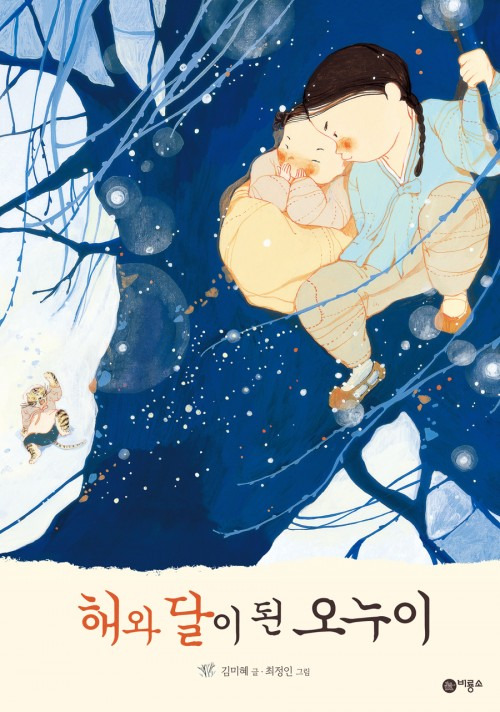
🌞🌝 해와 달 – [hae-wa dal] – The Sun and the Moon
In this folktale, the sister became the sun, and the brother became the moon, watching over the world from the sky.
이 옛이야기에서 여동생은 해가 되고, 오빠는 달이 되어 하늘에서 세상을 비추게 되었습니다.
This transformation symbolizes protection and balance—the sun lights the day, and the moon guards the night.
이 변화는 보호와 조화를 상징합니다. 해는 낮을 밝히고, 달은 밤을 지킵니다.
🌞 According to one version of the story, the younger sister was afraid of the dark, so her older brother gave up being the sun and let her take the role.
🌞 전해지는 이야기 중 하나에서는 여동생이 밤을 무서워해서, 오빠가 해 자리를 양보하고 자신이 달이 되었다고 합니다.
But the sister was shy, so she didn’t want people to stare at her during the day.
그러나 여동생은 수줍음이 많아, 사람들이 낮에 자신을 쳐다보는 것을 창피해했습니다.
That’s why, the tale says, the sun shines so brightly—to keep people from looking directly.
그래서 이야기에 따르면 햇빛이 너무 눈부셔서 사람들이 직접 볼 수 없게 되었다고 전해집니다.
Another version says she used a needle to prick people’s eyes if they looked too closely!
또 다른 버전에서는 여동생이 사람들이 자신을 쳐다보면 바늘로 콕콕 찌른다는 말도 있습니다!

더 많은 이야기가 이어질 거예요!
채널 고정!
More to come!
Stay tuned!
@ 서울 사람 Seoul Zian 서울지앵
#KoreanFolktales
#LearnKorean
#해와달이된오누이
#KoreanMyths
#KoreanCulture
#호랑이이야기
#SunAndMoon
#떡하나주면안잡아먹지
#BilingualStory
#한국전래동화
#KoreanTiger
#LotusSymbolism
#FairyTalesWithMorals
#EastAsianFolklore
#MythicalAnimals
#SiblingStories
#JusticeInFolklore
#한국어공부
#문화로배우는한국어
#전통문화교육
#KoreanShamanism
#SymbolicTransformation
#StorytimeKorea
#KidsKoreanStory
#FolkloreWisdom
#KoreanLegendExplained
#한국설화
#FolktaleLanguageLesson
#TraditionalKoreanSnacks
#떡문화
#KoreanFoodAndStory
#CulturalSymbolism
#NatureInMyths