🎵 두껍아 두껍아 (Dukkeob-a Dukkeob-a)
아이들이 흙으로 집을 짓고 부르던 전래 말놀이
A Traditional Korean Chant Sung While Building Mud Houses
https://www.youtube.com/watch?v=V4dpAucn8vg
🌸 어린 시절 누구나 해보았던 흙 놀이의 추억
🌸 A Childhood Memory Shared by Generations
한국에는 오래전부터 흙을 만지며 부르던 말놀이 노래가 있습니다.
In Korea, children have long enjoyed playful chants sung while shaping mud or sand.
지금 아이들은 레고 블록이나 컬러 클레이로 집을 짓지만,
예전 우리 할머니·어머니 세대는 자연이 곧 놀잇감이었죠.
Today’s children build with LEGO bricks or colorful clay,
but earlier generations found their toys in nature itself.
그중에서도 〈두껍아 두껍아〉는
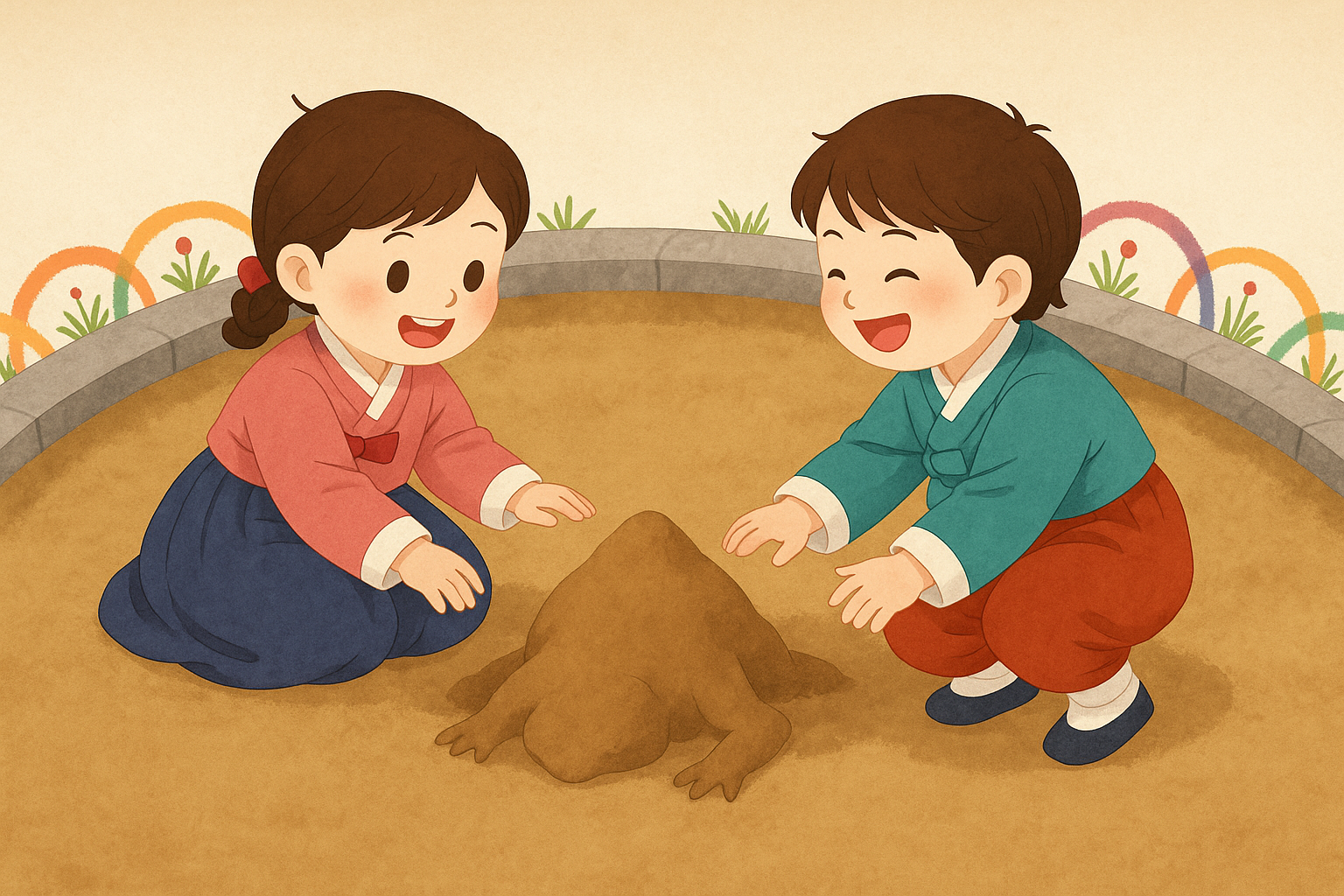
손을 흙 위에 얹고 그 위로 흙을 차곡차곡 쌓으며
누구나 한 번쯤 불러보았을, 한국 어린이들의 대표적인 집짓기 말놀이 동요입니다.
Among these, “Dukkeob-a Dukkeob-a” is one of Korea’s most iconic house-building chants—
a play where children place a hand on the ground, mound earth over it,
and chant together with playful excitement.

🎵 한글 가사 Lyrics in Korean
1)
두껍아 두껍아
헌 집 줄게 새 집 다오
2)
두껍아 두껍아
너 집 지어 줄게 내 집 지어 다오
두껍아 두껍아
헌 집 가져가고 새 집 다오
두꺼비 집 짓자 두꺼비 집 짓자
둥글둥글 두꺼비 집 짓자
두꺼빈 집 짓고 황새는 물 긷고
두들겨도 짓고 만져도 짓고
두꺼비 집 짓자

🌿 영어 의미 설명 🌿 English Meaning & Interpretation
1) 〈두껍아 두껍아 헌 집 줄게 새 집 다오〉
두껍아 두껍아
헌 집 줄게 새 집 다오
“Dukkeob-a, Dukkeob-a, I’ll give you my old house—bring me a new one.”
이 부분은 아이가 두꺼비에게 말을 걸며,
헌 집을 줄 테니 새 집을 달라고 “거래”를 제안하는 장난스러운 말놀이예요.
In this line, the child talks to the toad and playfully “offers a deal”:
“I’ll give you my old house if you bring me a new one.”
집을 진짜로 바꾸는 것이 아니라,
흙으로 작은 집을 만들거나, 손을 덮고 흙을 올리면서
상상 속에서 집을 바꾸는 놀이를 하는 장면이라고 볼 수 있습니다.
Of course, no real house is being traded;
children are usually building little houses out of dirt or sand,
pretending to swap houses in their imagination.
2) 〈내 집·네 집 / 두꺼비 집 짓자〉 말놀이
🔹 두껍아 두껍아, 너 집 지어 줄게 내 집 지어 다오
“Dukkeob-a, Dukkeob-a, I’ll build your house, so you build mine.”
여기서는 서로의 집을 지어준다고 약속하며
“내가 너를 도와줄 테니, 너도 나를 도와줘”라는
서로 돕기 놀이가 드러납니다.
Here, the child promises to build a house for the toad
and asks the toad to build theirs in return,
showing a playful idea of mutual help: “I help you, you help me.”
🔹 두껍아 두껍아, 헌 집 가져가고 새 집 다오
“Dukkeob-a, Dukkeob-a, take my old house and bring me a new one.”
1번 노래와 이어지는 내용으로,
헌 집과 새 집을 바꾸고 싶어 하는 마음을 다시 한 번 강조합니다.
This connects back to the first chant,
repeating the wish to trade an old house for a new one.
이 반복 덕분에 리듬감이 생기고,
아이들도 쉽게 외우고 따라 부를 수 있게 됩니다.
The repetition creates a strong rhythm,
making it easy for children to remember and sing along.
🔹 두꺼비 집 짓자 두꺼비 집 짓자, 둥글둥글 두꺼비 집 짓자
“Let’s build the toad’s house, let’s build the toad’s house—
let’s make the toad’s house round and round.”
이 부분은 실제 흙놀이 동작과 아주 잘 어울립니다.
아이들이 흙을 동그랗게 빚고, 작은 언덕이나 집 모양을 만들면서
“둥글둥글”이라는 말을 리듬 있게 반복하는 장면이 떠오르죠.
This part matches real play actions:
children rounding and shaping mud into a small house or mound,
chanting “dung-geul dung-geul (round and round)” in rhythm.
🔹 두꺼빈 집 짓고 황새는 물 긷고,
두들겨도 짓고 만져도 짓고 두꺼비 집 짓자
“The toad builds the house, the stork draws water.
We tap it, we touch it, and we keep on building the toad’s house.”
여기서는 상상 속 동물 친구들이 함께 집짓기에 참여합니다.
두꺼비는 집을 짓고, 황새는 물을 길어오며,
아이들은 흙을 두들기고 만지면서 집을 완성해 갑니다.
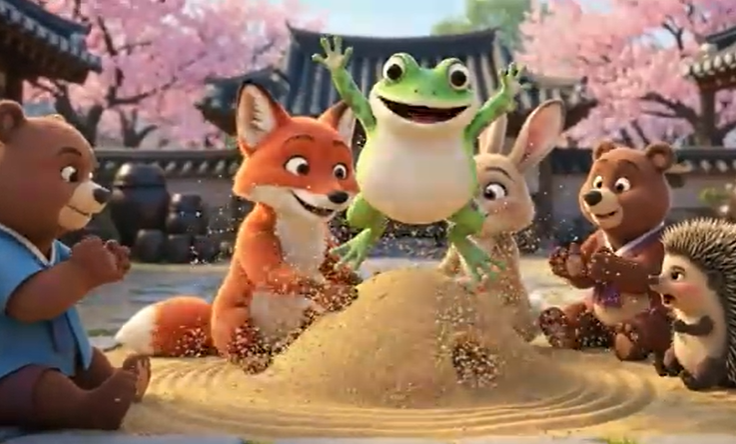
In this verse, imaginary animal friends join the construction:
the toad builds the house, the stork carries water,
and the children tap and pat the mud as they “finish” the house.
‘두들겨도 짓고 만져도 짓고’라는 표현은
흙을 톡톡 두드리고 손으로 매만지며 모양을 잡는 실제 감각을 잘 살려 줍니다.
The phrase “even when we tap it, even when we touch it, we’re building”
captures the tactile feeling of knocking, pressing, and shaping the earth.

✏️ 미니 한국어 레슨 Mini Korean Lesson
🔸 표현 1: “헌 집 줄게 새 집 다오”
- 헌 집: old house
- 새 집: new house
- 다오: ‘주세요’의 옛말, 민요·전래동요에서 자주 등장
“Dao” is an old-fashioned request form similar to “please give/bring.”
→ 옛스러운 정서를 담은 전통 표현.
🔸 표현 2: 의태어 ‘둥글둥글’
- ‘둥글다(rounded)’ + 반복 → 귀엽고 리드미컬한 느낌
- 말놀이·동요에서 자주 쓰이는 리듬 구성
A reduplicated form adding softness and rhythm.
🔸 표현 3: 동작어 ‘뚤레뚤레 오너라’
- 아이들이 뛰어오거나 폴짝거리며 다가오는 모양
A descriptive phrase evoking lively, hurried movement.

🌾 문화 팁 Cultural Notes
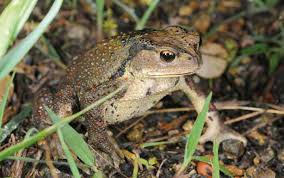
🐸 1. 두꺼비는 행운과 풍요의 상징
한국 민속에서 두꺼비는 복, 다산, 풍요를 상징하는 동물입니다.
그래서 아이들이 두꺼비에게 집을 달라고 노래한 것은
일종의 장난이자 복을 비는 마음이 섞인 놀이였어요.
In Korean folklore, the toad symbolizes luck and abundance.
🏡 2. 집짓기 말놀이의 상징성
아이들은 작은 흙성을 쌓고 손을 덮어 집을 만들며
공동체·협력·안정의 이미지를 자연스럽게 놀이로 배웠습니다.
Children learned cooperation and imagination through these simple earth-building games.


📚 3. 문헌에 등장한 최초 기록은 1935년 《상록수》
1935년 심훈의 《상록수》에서
주인공 영신이 어린 시절 모래성을 쌓으며
“두껍아 두껍아 헌집 줄게 새집 다오”를 부르는 장면이 등장합니다.
The earliest written record appears in Shim Hun’s 1935 novel Sangnoksu,
where the character Young-shin recalls singing the chant while building a sand castle.
하지만 실제로는 이보다 훨씬 오래전부터
마당·논두렁·개울가에서 자연스럽게 불리던 전래 말놀이입니다.
But the chant itself predates this reference and was passed down orally for generations.
🎨 📝활동지 & QR 코드 worksheet download
활동지 다운 받으세요~ 색칠하면서 노래 불러 보세요~
Download the worksheet! 🎨 Sing along while you color!
📱 큐알코드 찍으면 바로 가기!
Scan the QR code to go directly!

더 많은 이야기가 이어질 거예요!
채널 고정!
More to come!
Stay tuned!
@ 서울 사람 Seoul Zian 서울지앵
#두껍아두껍아 #두꺼비집 #흙놀이 #집짓기놀이
#전래동요 #FolkSong #KoreanWordPlay
#전래놀이 #TraditionalGames #한국말놀이
#LearnKorean #한국문화 #KoreanCulture
#KoreanThroughSongs #문화로배우는한국어
#어린이동요 #KoreanKidsSong #KoreanFolklore
#한국어배우기 #LanguageLearning
#집짓기말놀이 #전통과리듬 #TraditionAndRhythm
#SeoulZian #서울지앵 #KoreanHeritage
#한국놀이문화 #흙놀이동요 #ImaginationPlay
#PlayAndLearn #노래로배우는한국어
#전래동화 #KoreanFolksong #전래어린이놀이