🎵 가짜 천자문 (Fake Cheonjamun)
한국의 재치 넘치는 전래 말놀이 노래
A Playful Korean Word-Play Folk Song
https://youtu.be/2WRnHSmD77s?si=1X0idw4vxtaIskx1
🇰🇷 (바로 위의 YouTube 영상에서 동일한 말놀이 노래를 즐기실 수 있습니다.)
🇺🇸 (You can enjoy the same word-play song in the YouTube video above.)
🌸 조선 서당이 이렇게 유쾌했을 줄이야!
Who knew old Korean village schools could be this funny?
한국에는 옛날부터 말놀이와 풍자를 노래로 즐기던 문화가 있습니다.
In Korea, there has long been a tradition of turning wordplay and satire into songs.
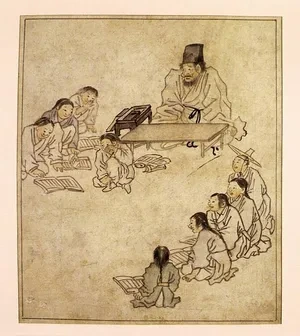
그중에서도 〈가짜 천자문〉은 아이들이 공부하면서
훈장님(옛날 서당의 선생님)을 흉내 내며 부르던 유머러스한 노래입니다.
Among them, Fake Cheonjamun is a humorous song that children sang while playfully imitating their old village teacher (Hunjangnim).
‘하늘 천 따지’로 시작하는 천자문(千字文, The Thousand Character Classic) 은
한자를 배우기 위한 옛 교재였지만,
아이들은 그것을 장난과 웃음으로 바꾸어
“가짜 천자문”이라는 패러디 노래를 만들었습니다.
The Thousand Character Classic, which begins with “Cheon (Sky) – Ji (Earth),” was a textbook for learning Chinese characters.
But Korean children transformed it into a playful parody known as Fake Cheonjamun, full of laughter and creativity.
이 노래는 공부와 놀이가 하나로 어우러진,
한국의 전통적 언어유희 문화를 잘 보여줍니다.
This song beautifully captures how learning and play once blended together in Korean traditional wordplay culture.

🎶 가짜 천자문 가사 (Lyrics)
서당 강아지 똥강아지
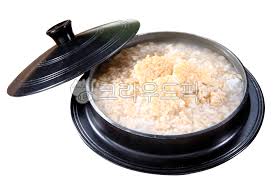
가마솥에 누룽지
딸딸 긁어서
훈장님 한 그릇 처받드리고
나 한 그릇 잡숫고
하늘천 따따지
가마솥에 눌은밥
딸딸 긁어서
훈장님은 개밥그릇에 한 통
나는 한 사발
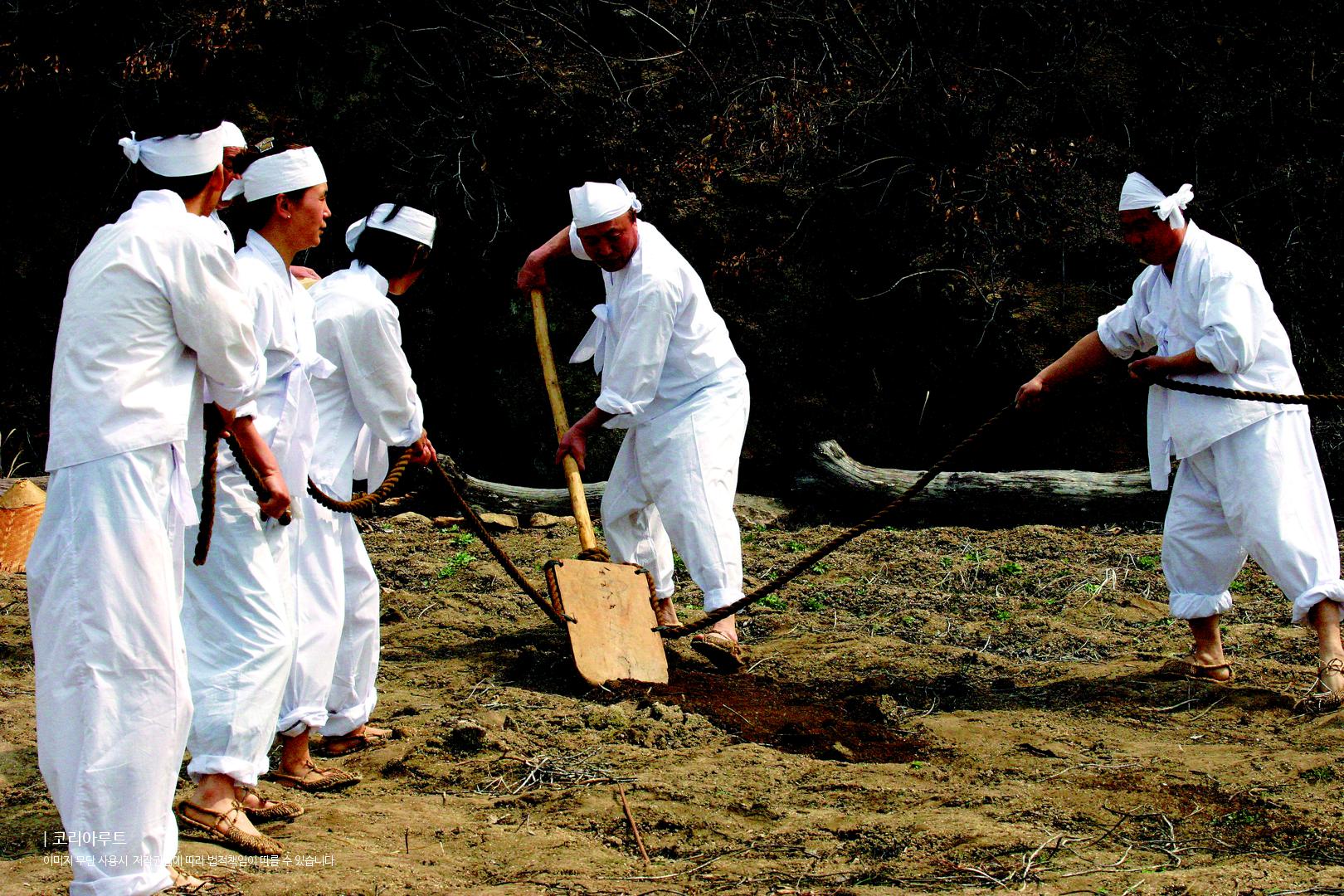
훈장님은 똥가래
나는 은수저
예끼 이놈! 잘못 읽는다
하늘천 따따지
가마솥에 눌은밥
딸딸 긁어서
훈장님은 한 사발
나는 개밥그릇에 한 통
훈장님은 은수저
나는 똥가래
에헴! 그 놈 글 잘 읽는다
💬 가사 해석 (Line-by-Line Translation)
서당 강아지 똥강아지
A schoolhouse puppy, a little poop dog.
→ 서당 마당에서 놀던 강아지를 귀엽게 놀리는 말이에요.
→ It’s a playful way to tease a puppy playing in the courtyard of a village school.
가마솥에 누룽지
Scorched rice in the iron pot.
딸딸 긁어서
Scrape it clean.
→ ‘딸딸 긁다’는 바닥까지 긁어낸다는 뜻이에요.
→ “Ttal-ttal geukda” means to scrape something completely to the bottom.
훈장님 한 그릇 처받드리고, 나 한 그릇 잡숫고
Serve one bowl to the teacher, and eat one myself.
→ ‘처받드리다’는 웃기게 높인 표현으로, 훈장님에게 드린다는 뜻이에요.
→ “Cheo-bat-deu-ri-da” is a humorous, exaggerated way of saying “to offer politely” to the teacher.
하늘천 따따지
“Sky Cheon, Tta-Tta-Ji!”
→ 진짜 천자문 공부 소리를 흉내 낸 말이에요.
→ It mimics the rhythm of the real Cheonjamun (Thousand Character Classic) recitation.
가마솥에 눌은밥 딸딸 긁어서
Scrape the scorched rice from the pot.
→ 진짜 천자문 공부 소리 중 검을 현, 누를 황 부분을 재미있게 변형한 말이에요.
→ It playfully twists the real Cheonjamun (Thousand Character Classic) phrase “geom-eul hyeon, nu-reul hwang”—which means “black as ink, yellow as gold”—into a funny version about scraping scorched rice.
훈장님은 개밥그릇 한 통, 나는 한 사발
The teacher gets a dog bowl full, and I get a rice bowl.
→ 아이들이 장난으로 주객을 바꾸며 웃음을 주는 부분이에요.
→ The children humorously reverse roles, making it funny by switching who gets more.
훈장님은 똥가래, 나는 은수저
The teacher gets a dung stick, I get a silver spoon.
→ ‘똥가래’는 뒷간에서 쓰는 막대기로, 대조적인 유머를 만드는 말이에요.
→ “Ttong-garae” is a stick used for cleaning old toilets, creating a contrast for comic effect.
예끼 이놈! 잘 못 읽는다
“Hey you rascal! You’re reading it wrong!”
→ 훈장님이 야단치는 장면을 흉내 냈어요.
→ It imitates the teacher scolding a student in a playful tone.
하늘천 따따지, 가마솥에 눌은밥
“Sky Cheon, Tta-Tta-Ji, scorched rice in the pot.”
훈장님은 한 사발, 나는 개밥그릇 한 통
The teacher gets one bowl, I get a whole dog bowl.
훈장님은 은수저, 나는 똥가래
The teacher gets a silver spoon, I get a dung stick.
에헴! 그 놈 글 잘 읽는다
“Ahem! That boy reads well!”
→ 결국 훈장님이 아이를 칭찬하며 마무리되는 장면이에요.
→ In the end, the teacher praises the child, ending the playful exchange on a warm note.
이 노래는 진지한 학문서였던 천자문을
아이들의 상상력으로 재해석한 패러디 노래입니다.
This song is a parody of the serious Thousand Character Classic, reimagined through children’s creativity.
‘하늘천 따따지’라는 표현은 지금도 한국어에서
말장난이나 유머를 상징하는 대표 구절로 쓰입니다.
Even today, “Haneul Cheon Tta-Tta-Ji” remains a well-known symbol of Korean wordplay and humor.
공부 속에서도 웃음을 잃지 않았던
옛 아이들의 유쾌한 마음이 이 노래에 담겨 있습니다.
It reflects the playful spirit of Korean children, who found laughter even in their lessons.
💡 한국어 어휘 미니 레슨 | Vocabulary & Culture Notes
한국어 발음 · 의미 · 영어 뜻
| 서당 | /seo-dang/ | 옛날에 아이들이 한문과 예절을 배우던 곳 | traditional village school in old Korea |
| 가마솥 | /ga-ma-sot/ | 밥을 짓거나 음식을 끓이는 큰 쇠솥 | large traditional iron pot used for cooking rice |
| 누룽지 | /nu-rung-ji/ | 밥을 지을 때 바닥에 눌어 생긴 고소한 탄 밥 | scorched rice formed at the bottom of a pot |
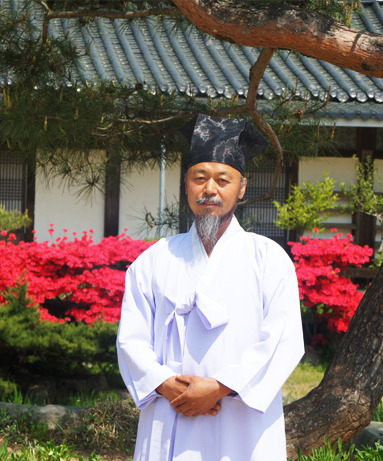
| 훈장님 | /hun-jang-nim/ | 서당에서 글을 가르치던 선생님 | teacher at a traditional village school |
| 사발 | /sa-bal/ | 국이나 밥을 담는 그릇 | rice or soup bowl |
| 똥가래 | /ttong-ga-rae/ | 재래식 화장실에서 오물을 처리할 때 쓰던 도구 | wooden scoop or tool used for cleaning old toilets |
| 은수저 | /eun-su-jeo/ | 은으로 만든 수저. 부유함의 상징으로도 쓰임 | silver spoon; also a symbol of wealth or privilege |
| 딸딸 긁다 | /ttal-ttal geulk-tta/ | 남은 음식이나 밥을 바닥까지 모두 긁다 | to scrape off every bit of food from the bottom |
| 잘 읽는다 | /jal il-neun-da/ | 글을 또박또박, 정확하게 읽는다 | reads clearly and correctly |
| 처받드리다 | /cheo-bat-deu-ri-da/ | 웃기게 높인 말로 ‘드리다’의 익살스러운 표현 | humorous, exaggerated way of saying “to offer” (honorific) |
| 잡숫다 | /jab-ssut-tta/ | ‘먹다’의 높임말. 주로 웃어른에게 사용 | honorific form of “to eat” used for elders or teachers |
| 가래 | /ga-rae/ | 흙을 파헤치거나 떠서 던지는 농기구. 한 사람은 자루를 잡고 여러 명이 끈을 당겨 함께 사용 | a traditional farming tool for digging and throwing soil, used cooperatively by several people pulling ropes |
‘가마솥에 누룽지를 딸딸 긁는다’는 표현은 하늘 천 따지에서 따 소리와 연계해서 익살스럽게 표현한 말입니다.
The phrase “scraping scorched rice from the cauldron” is a playful expression connected to the “tta” sound from “Haneul cheon ttaji” (the opening line of the Thousand Character Classic), adding humor through wordplay.
‘훈장님 한 그릇, 나 한 사발’처럼 표현되는 유머는
서열과 예절 속에서도 인간적인 웃음을 담은 전통 말놀이의 정서를 보여줍니다.
Expressions like “one bowl for the teacher, one for me” show the playful humor embedded within traditional Korean respect culture.

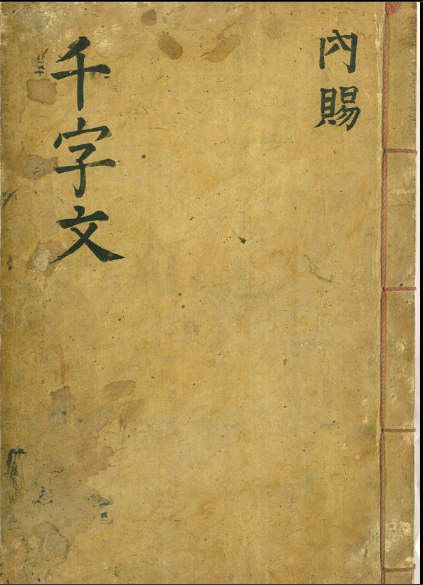
📜 천자문 (The Thousand Character Classic)
‘천자문(千字文)’은 동아시아 한자 문화권에서 가장 널리 알려진 한문 학습서이자 교양서입니다.
The Thousand Character Classic is one of the most well-known classical texts for learning Chinese characters and moral wisdom in East Asian culture.
지은이는 중국 양(梁)나라의 주흥사(周興嗣, Zhou Xingsi, 470?~521)로 전해집니다.
It is traditionally attributed to Zhou Xingsi (470?–521) of the Liang dynasty in China.
전해지는 이야기로는, 황제가 천 개의 서로 다른 한자를 주어
그것으로 문장을 만들게 했다고 합니다.
According to legend, the emperor gave him one thousand unique Chinese characters
and ordered him to compose a text using all of them without repetition.
주흥사는 단 하룻밤 만에 이를 완성했지만,
그 고된 작업 끝에 머리가 하얗게 세었다고 하지요.
Zhou Xingsi reportedly completed the entire work overnight—
and by morning, his hair had turned completely white.
그래서 사람들은 ‘백수문(白首文, the White-Haired Text)’이라 부르기도 했습니다.
Hence, it is sometimes nicknamed Baeksumun, meaning “The White-Haired Text.”
‘천자문’은 총 1,000자(千字)로 구성되어 있으며,
250구(句), 125절(節)로 나뉘어 있습니다.
The text consists of exactly 1,000 unique characters, arranged in 250 lines of four characters each, forming 125 verses.
내용에는 자연, 역사, 철학, 천문, 지리, 인물, 윤리, 도덕, 처세 등
인간의 삶과 세상의 이치를 아우르는 주제가 담겨 있습니다.
Its content encompasses a wide range of topics — nature, history, philosophy, astronomy, geography, ethics, and moral conduct —
capturing the essence of human life and wisdom.

🇰🇷 한국의 천자문 전승 (The Korean Transmission of Cheonjamun)
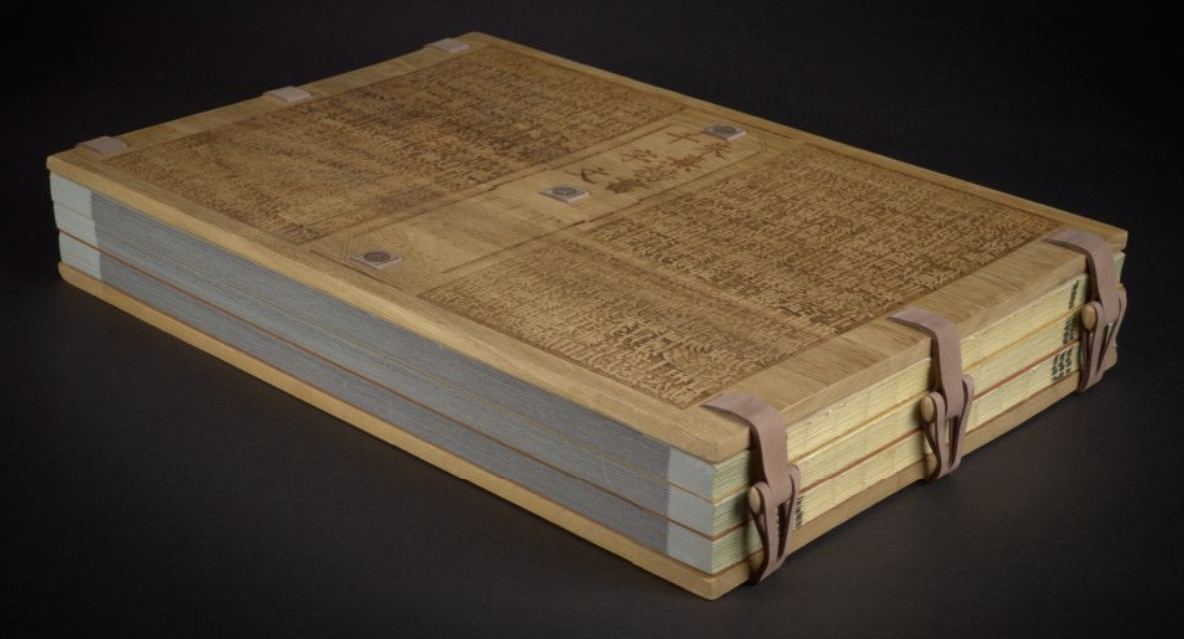
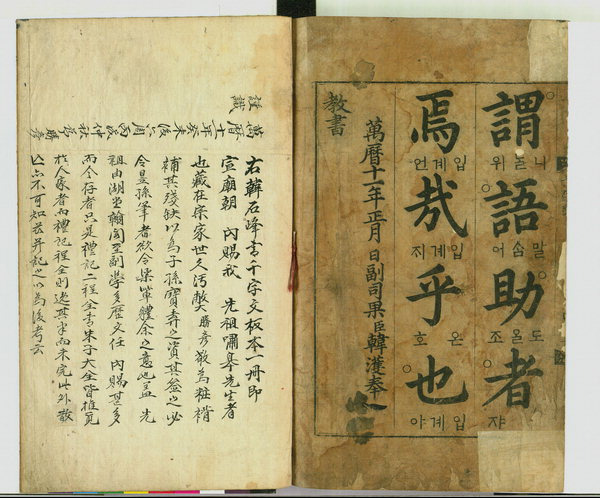
한국에서 가장 널리 보급된 판본은
조선 선조 16년(1583년) 어명에 의해 명필 한호(韓濩, 호: 석봉 石峯)가 쓴 《석봉천자문(石峯千字文)》입니다.
The most widely distributed version in Korea was the “Seokbong Cheonjamun”, written in 1583 (the 16th year of King Seonjo’s reign) by the renowned calligrapher Han Ho (pen name: Seokbong), under royal command.
이 책은 이후 여러 차례에 걸쳐 중간(重刊)되며 널리 보급되었습니다.
It was reprinted and circulated many times, becoming the standard version across Korea.
현존하는 여러 판본 중에서
경북 영주의 박찬성(朴贊成) 소장본과 일본 나이카쿠 문고(內閣文庫) 소장본이
가장 오래된 원간본 또는 그에 가까운 판본으로 추정됩니다.
Among the existing editions, copies preserved by Park Chan-seong in Yeongju, Korea,
and the Naikaku Library in Japan are considered the earliest original or near-original editions.

✨ 대표적인 첫 구절 (Opening Lines)
하늘 천(天), 따 지(地), 검을 현(玄), 누를 황(黃)
Sky above, earth below, deep as black, rich as yellow.
‘하늘 천 따 지 검을 현 누를 황’은 ‘천자문(千字文)’의 첫 구절로,
하늘은 검고 땅은 누렇다는 뜻입니다.
The phrase “Haneul cheon, tta ji, geom-eul hyeon, nu-reul hwang” is the opening line of Cheonjamun (The Thousand Character Classic),
meaning that the sky is dark, and the earth is yellow.
‘현(玄)’은 본래 검붉은 색을 뜻하지만,
하늘처럼 아득하고 끝이 없는 ‘깊은 검정’을 의미합니다.
‘황(黃)’은 땅의 흙빛을 나타내며, 풍요와 생명의 색입니다.
“Hyeon (玄)” originally meant dark red, but it came to symbolize the deep black of the infinite sky,
while “Hwang (黃)” represents the color of the earth—signifying fertility and life.
이 구절은 우주의 시작, 즉 하늘과 땅의 근원을 말하며,
자연의 조화와 학문의 출발을 상징합니다.
This verse speaks of the origin of the universe—of heaven and earth—
and symbolizes the harmony of nature and the beginning of knowledge.
🌿 문화적 의의 (Cultural Note)
‘천자문’은 단순한 글자 학습을 넘어,
동양 철학과 윤리, 그리고 조화의 미학을 함께 담은 문화적 정수(精髓)라 할 수 있습니다.
Beyond language learning, The Thousand Character Classic embodies the philosophical and aesthetic harmony of East Asian civilization.
한국에서는 특히 서예(書藝) 교육에서도 중요한 교본으로 활용되며,
‘석봉천자문’은 지금도 전통 서예가들이 손본 명작(名作)으로 손꼽힙니다.
In Korea, it also became a central model for calligraphy education,
and the Seokbong Cheonjamun is still regarded as a masterpiece of brush style and discipline.

🎨 📝활동지 & QR 코드 worksheet download
활동지 다운 받으세요~ 색칠하면서 노래 불러 보세요~
Download the worksheet! 🎨 Sing along while you color!
📱 큐알코드 찍으면 바로 가기!
Scan the QR code to go directly!

더 많은 이야기가 이어질 거예요!
채널 고정!
More to come!
Stay tuned!
@ 서울 사람 Seoul Zian 서울지앵
#가짜천자문 #천자문 #가마솥에누룽지 #한국말놀이 #KoreanWordPlay
#전래동요 #FolkSong #LearnKorean #한국문화 #KoreanCulture
#전통놀이 #TraditionalGames #한국어배우기 #LanguageLearning
#서울지앵 #SeoulZian #전통과리듬 #TraditionAndRhythm
#한국시 #KoreanPoetry #시 #YunDongju #한국문학 #KoreanLiterature
#하늘천따지 #Cricket #가을밤 #AutumnNight #달빛 #Moonlight
#감성한국어 #EmotionalKorean #문화로배우는한국어 #KoreanThroughCulture #LearnKoreanThroughSongs
#전래놀이