🚂 어디까지 왔니? – 전래 말놀이 노래로 배우는 한국어
🚂 Eodikkaji Watni? – Learn Korean with a Traditional Word-Play Song
https://youtu.be/wNZXMMyBeI8?si=t23q9CJBXW0Vmi_Q
🇰🇷 (바로 위의 YouTube 영상에서 동일한 말놀이 노래를 즐기실 수 있습니다.)
🇺🇸 (You can enjoy the same word-play song in the YouTube video above.)
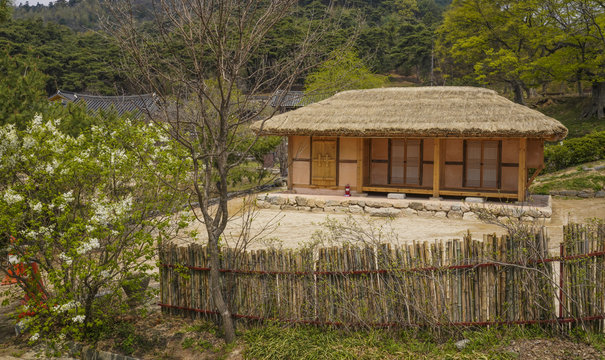
🏡 어디까지 왔니?
Where Are We Now?
아이들은 아침부터 저녁까지 놀지요.
그리고 집에 돌아가는 순간까지도 재미있는 놀이를 멈추지 않습니다.
이 노래 "어디까지 왔니?"는 그런 아이들의 모습을 담은 전래 말놀이 노래예요.
Children in Korea love to play from morning till evening.
Even on their way home, they keep playing joyfully together.
The song “Eodikkaji Watni?” (Where Are We Now?) is a traditional Korean word-play song
that shows children returning home while pretending to be a train.
아이들은 줄을 서서 기차처럼 서로의 어깨나 허리를 잡고 “칙칙폭폭” 하며 걸어요.
맨 앞의 아이는 눈을 뜨고 길을 안내하고,
뒤에 있는 아이들은 눈을 감은 채 서로 손을 잡고 따라가면서 묻습니다 —
The children line up, holding onto each other’s shoulders like a little train,
saying “chug, chug, puff, puff” as they walk.
The child at the front keeps their eyes open to lead the way,
while the others close their eyes and ask —
🎵 “어디까지 왔니?”
" Where Are We Now? (How far have we come?)"“개울 건너 왔다!”
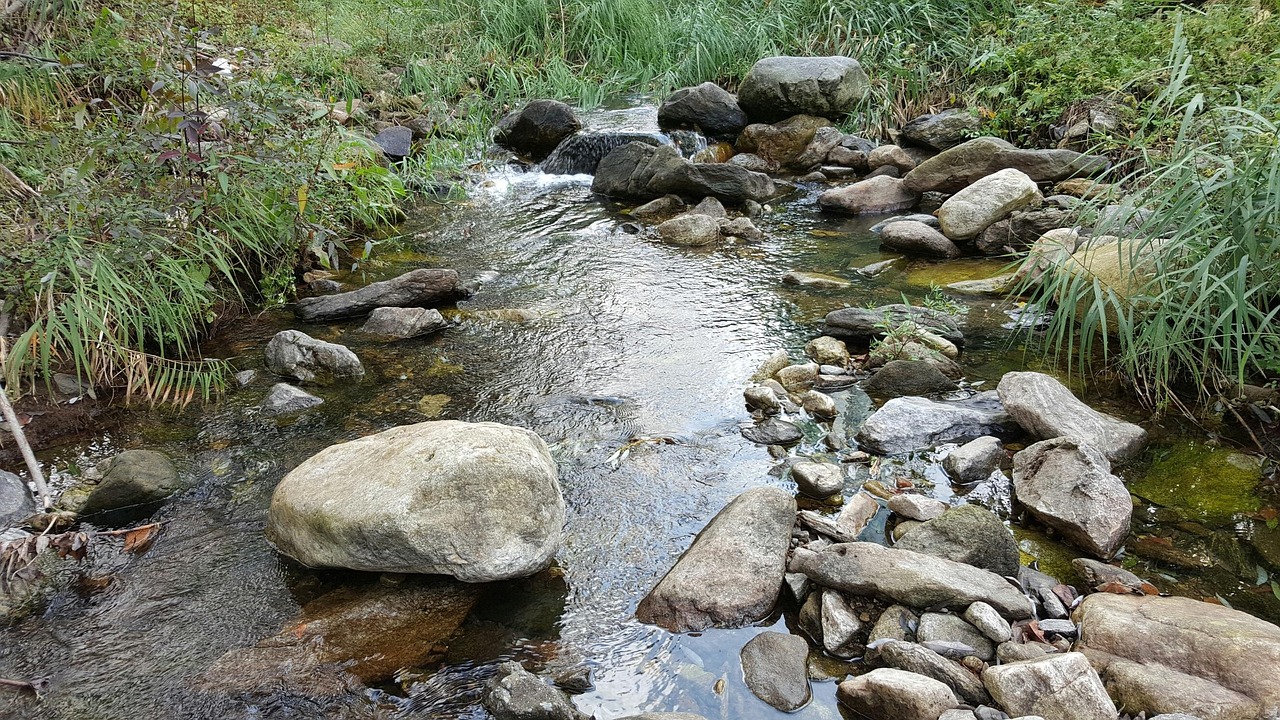
"We’ve crossed the stream!"“담 밑까지 왔다!”
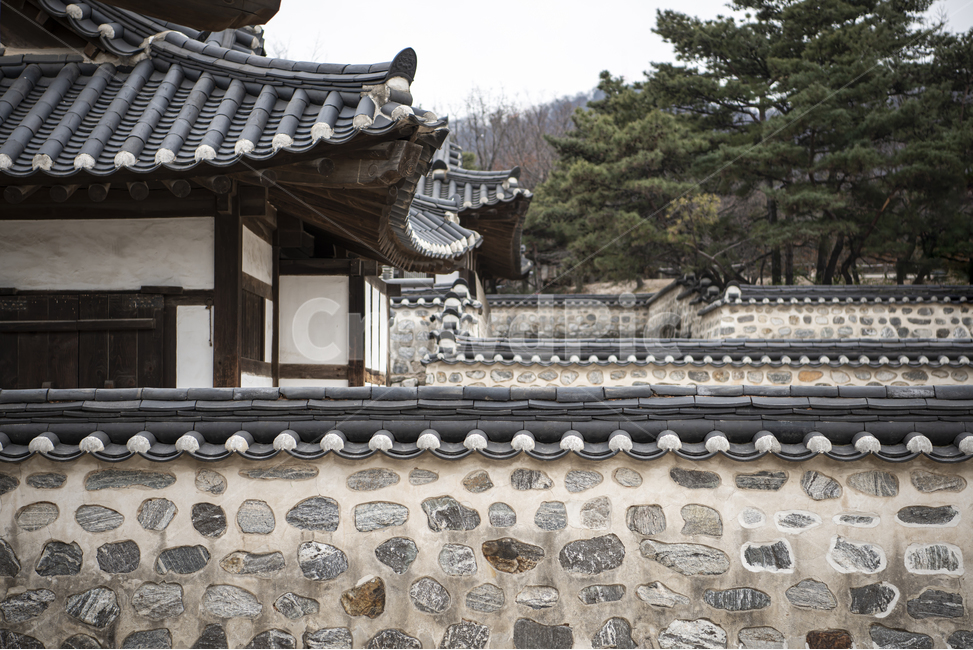
"We’re near the wall!"“삽짝까지 왔다!”
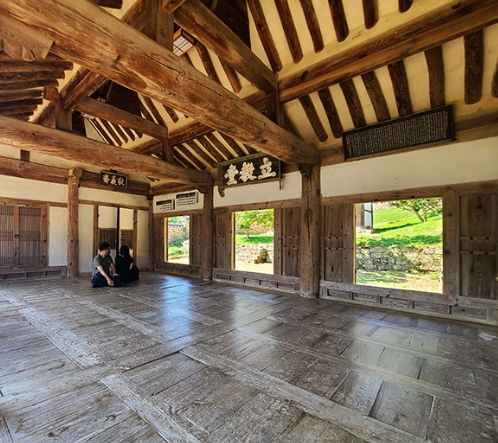
"We’ve reached the gate!"“마루까지 왔다!”
"We’ve come to the wooden floor!"“아랫목에 왔다!”
“We’ve reached the warm floor inside!”“다 왔다, 눈 떠라!”
"We’re home — open your eyes!"
이 노래는 집으로 돌아가는 여정을 놀이로 표현하면서
한국의 전통 가옥 구조(개울–담–삽짝–마당–마루–아랫목)*를 자연스럽게 배울 수 있게 해줍니다.
Through this song, children not only play but also learn about
traditional Korean homes and everyday life,
moving step by step — from nature to warmth, from outside to home.
🎵 가사 | Lyrics
어디까지 왔니?
아직 아직 멀었다.어디까지 왔니?
개울 건너 왔다.어디까지 왔니?
담 밑까지 왔다.어디까지 왔니?
삽짝까지 왔다.어디까지 왔니?
마당까지 왔다.어디까지 왔니?
마루까지 왔다.어디까지 왔니?
아랫목에 왔다.다 왔다. (다 왔다.) 눈떠라.
🌾 어휘 설명 | Vocabulary Notes
- 개울 (gae-ul) → a small stream or brook
- 담 (dam) → a stone or mud wall around a traditional house
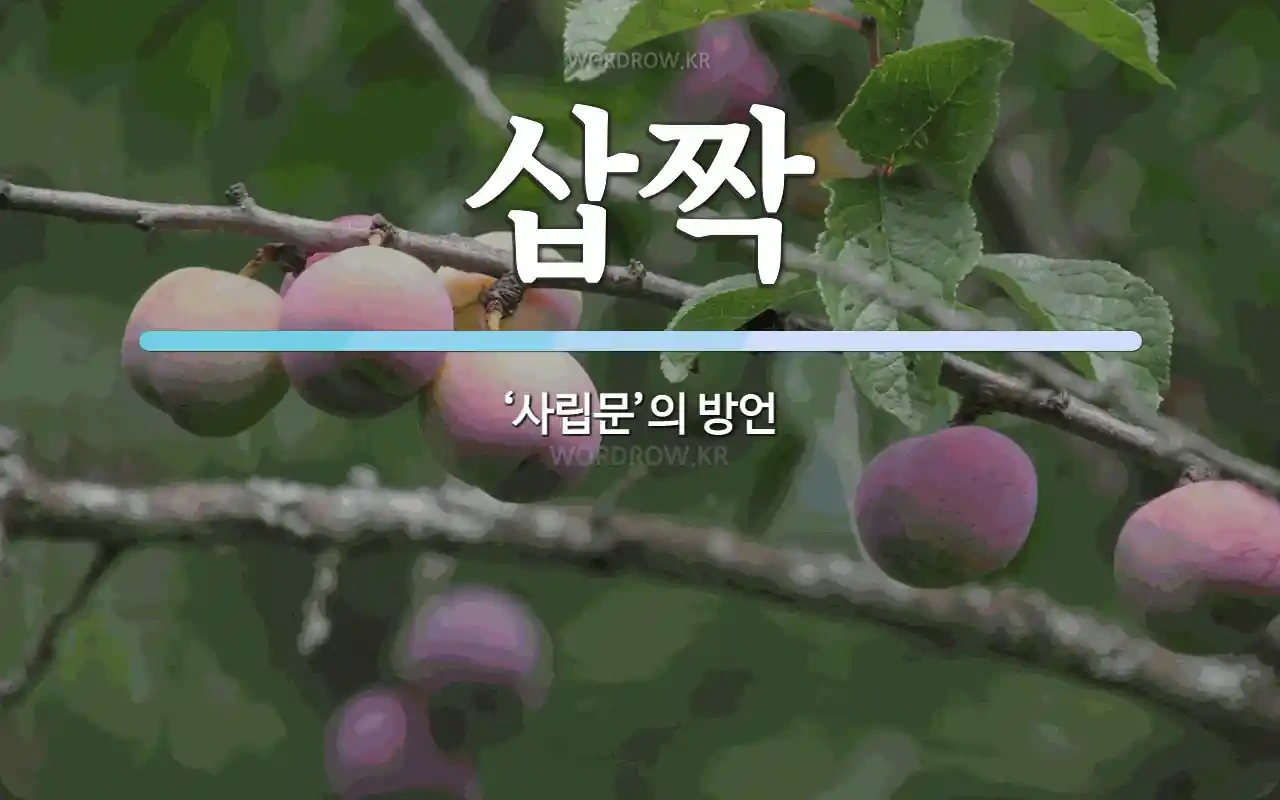
- 삽짝 (sap-jjak) → a small side gate leading into the yard
- 마루 (ma-ru) → the wooden floor or porch in a traditional Korean house
- 아랫목 (a-raet-mok) → the warmest floor spot heated by the ondol system



🌿 어휘 확장 | Vocabulary Spotlight
🪵 삽짝 (sap-jjak)
뜻 (Meaning)
‘삽짝’은 **‘사립짝’**이 줄어든 말로, 나뭇가지를 엮어 만든 문을 말합니다.
대문보다는 작고, 담장 옆이나 마당으로 들어가는 작은 출입문의 역할을 했습니다.
오늘날에는 거의 쓰이지 않지만, 전통적인 시골집이나 옛이야기 속에서 자주 등장합니다.
“삽짝” comes from “sarip-jjak,” meaning a small gate made by weaving branches.
It was usually placed next to the main gate or along the wall, serving as a small entrance to the yard.
Though it’s rarely used today, the word often appears in old Korean stories or traditional songs.
어원 (Etymology)
- ‘삽짝’ = ‘사립짝’의 줄임말, 방언
- ‘사립’은 싸리나무나 얇은 가지를 엮은 울타리를 뜻하며,
‘짝’은 짝을 맞춘 나무 조각이나 판자를 의미합니다. - 합쳐서 **“나뭇가지를 엮어 만든 문짝”**이라는 뜻이 됩니다.
Origin: From sarip-jjak, where sarip means “woven twigs or sticks”
and jjak refers to “a wooden panel or piece.”
Together, they describe a small rustic gate made of intertwined branches.
지역적 특징 (Regional Use)
‘삽짝’은 경상도, 충청도 등 남부 지방에서 주로 쓰이는 방언(사투리)이에요.
표준어에서는 ‘사립문’ 또는 단순히 ‘작은 문(small gate)’으로 바꿔 쓸 수 있습니다.
Regional note:
The word is a dialect mainly used in Gyeongsang-do and Chungcheong-do provinces.
In standard Korean, people might say sarip-mun or simply small gate.
사용 예시 (Examples)
- “서울문화재단의 작품에서 삽짝문 밖을 내다보았다.”
- “In the artwork by the Seoul Foundation for Arts and Culture, someone looked out through the sapjjak gate.”
- “위키낱말사전에 ‘삽짝 얼렁 열고’가 수록되어 있다.”
- “The phrase ‘Open the sapjjak quickly!’ appears in the Wiktionary entry.”
문화적 의미 (Cultural Note)
‘삽짝’은 단순한 문이 아니라, 집과 세상을 나누는 경계를 상징했어요.
아이들은 종종 삽짝 앞에서 놀다가, 노을이 질 무렵 “어디까지 왔니?”를 부르며
그 문을 통과해 집으로 들어가곤 했답니다.
In Korean culture, the sapjjak was more than just a door —
it symbolized the boundary between home and the outside world.
Children often played near it, and as dusk fell, they would sing “Eodikkaji Watni?”
while passing through the sapjjak to go home.

🌾 어휘 비교 | Vocabulary Comparison
🪵 사립문 (sarip-mun) vs 🌿 싸리문 (ssari-mun)
🔸 사립문 (sarip-mun)
뜻: ‘사립문’은 ‘사립짝(나뭇가지를 엮어 만든 문짝)’을 달아서 만든 작은 문을 뜻합니다.
집의 담장 옆이나 마당으로 들어가는 부엌문, 옆문 같은 형태로 쓰였어요.
Meaning: Sarip-mun refers to a small gate made by attaching a “sarip-jjak,”
which is a panel woven from thin branches.
It was often used as a side gate or back entrance to a traditional Korean house.
형태:
- 사립(sarip) → ‘엮은 나뭇가지 울타리’
- 문(mun) → ‘door, gate’
Structure: Sarip (woven twigs) + mun (gate)
🔹 싸리문 (ssari-mun)
뜻: ‘싸릿가지(싸리나무 가지)’로만 엮어 만든 문을 말합니다.
즉, 재료가 싸리나무로 한정된 문이에요.
Meaning: Ssari-mun means a gate made only from ssari branches (bush clover twigs).
It is used when the material specifically comes from ssari wood.
표준어 여부:
- ‘싸리문’은 싸릿가지만으로 만든 문을 뜻할 때는 표준어로 인정됩니다.
- 하지만 지역에 따라 ‘사립문’을 ‘싸리문’이라고 부르는 경우가 있는데,
이때는 **비표준어(방언)**로 간주됩니다.
Standard Note:
- Ssari-mun is standard Korean only when it literally refers to a gate made of bush clover branches.
- When used regionally to mean sarip-mun (a woven branch gate in general),
it is considered a dialectal, non-standard form.
🔸 정리 (Summary)
구분 표준어 여부 의미 영어 설명| 사립문 (sarip-mun) | ✅ 표준어 | 여러 나뭇가지를 엮어서 만든 문 | a small gate made of woven twigs or branches |
| 싸리문 (ssari-mun) | ✅ 조건부 표준어 | 싸리나무 가지로만 만든 문 | a gate made specifically from bush clover twigs |
| 삽짝 / 싸리짝문 | ❌ 비표준어(방언) | ‘사립문’을 뜻하는 지역어 | dialect forms meaning “small twig gate” |
🌿 문화적 배경 (Cultural Note)
전통 한옥에서는 대문이 손님을 맞이하는 ‘공식적인 입구’라면,
사립문(삽짝)은 가족들이 자주 오가던 소박한 일상의 문이었어요.
특히 아이들은 그 문 앞에서 놀거나, “어디까지 왔니?” 같은 노래를 부르며
집으로 돌아가는 길에 추억을 쌓곤 했습니다.
In a traditional Korean house (hanok), the main gate was used for guests,
while the sarip-mun or sapjjak served as a humble family entrance.
Children often played near this gate, singing songs like “Eodikkaji Watni?”
as they returned home at sunset.
🎨 📝활동지 & QR 코드 worksheet download
활동지 다운 받으세요~ 색칠하면서 노래 불러 보세요~
Download the worksheet! 🎨 Sing along while you color!
📱 큐알코드 찍으면 바로 가기!
Scan the QR code to go directly!
활동지 다운 받으세요~ 색칠하면서 노래 불러 보세요~ 큐알코드 찍으면 바로 가기!

더 많은 이야기가 이어질 거예요!
채널 고정!
More to come!
Stay tuned!
@ 서울 사람 Seoul Zian 서울지앵
#어디까지왔니 #기차놀이 #한국말놀이 #KoreanWordPlay
#전래동요 #FolkSong #LearnKorean #한국문화 #KoreanCulture
#전통놀이 #TraditionalGames #한국어배우기 #LanguageLearning
#서울지앵 #SeoulZian #전통과리듬 #TraditionAndRhythm
#삽짝 #사립문 #싸리문
https://youtu.be/wNZXMMyBeI8?si=HcaLlOxzKPTkdu3q