🐦 Heungbu and Nolbu (흥부와 놀부)
📖 Full Story (줄거리)
English Storyline (영어 줄거리)
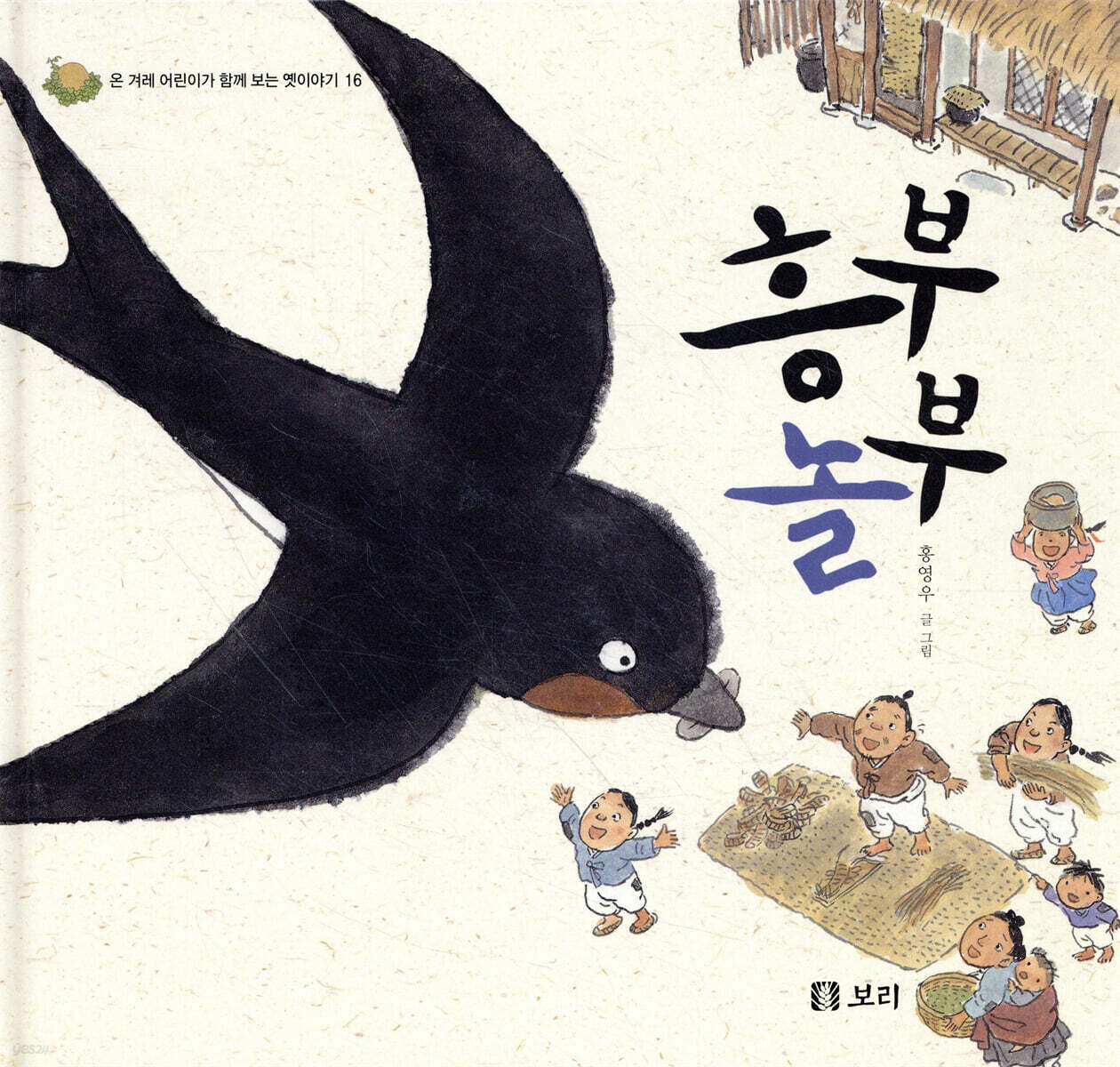
Once upon a time in a small Korean village, there lived two brothers named Heungbu and Nolbu. Heungbu was kind and poor, while Nolbu was greedy and rich. Their parents had passed away, and Nolbu, being the older brother, inherited all the family property. He chased Heungbu and his wife out of the house, leaving them to live in a humble hut.
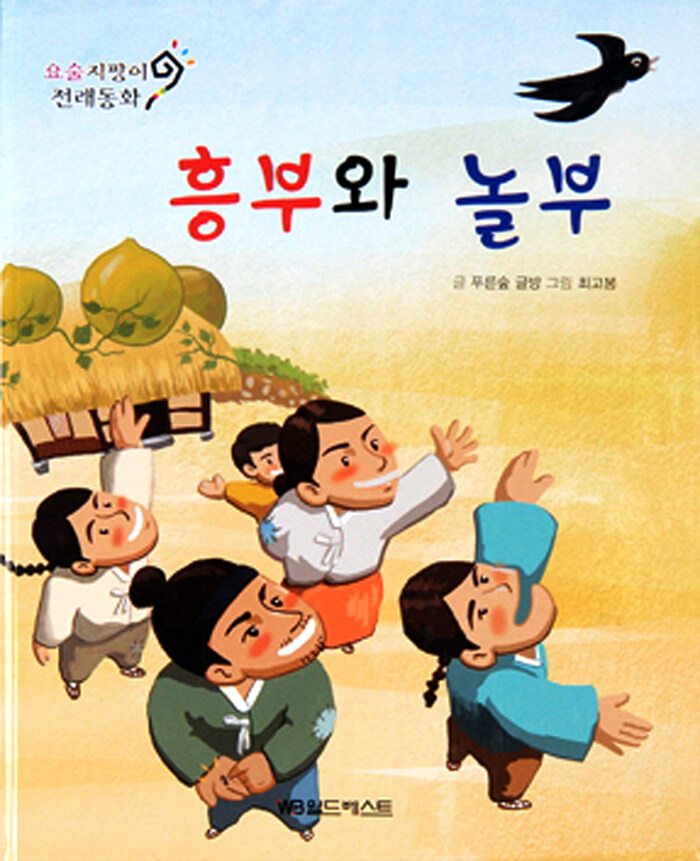
One spring day, Heungbu found a swallow with a broken leg. He carefully wrapped the leg with thread and fed it rice grains every day. Eventually, the bird healed and flew away. The following year, the swallow returned and dropped a mysterious seed in front of Heungbu’s house.
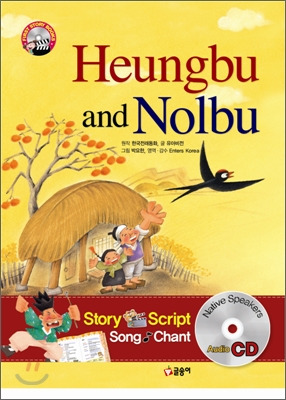
Heungbu planted the seed, and soon a large gourd grew. When he cut it open, out came treasures: gold, silver, food, and even a beautiful new house. With these blessings, Heungbu and his family lived happily and generously helped neighbors.
Nolbu, curious and jealous, asked how Heungbu became so rich. After hearing the story, Nolbu decided to copy him. He broke a swallow’s leg on purpose and treated it harshly. The poor bird flew away but returned the next year with a seed, just as it had done with Heungbu.
Nolbu planted the seed and waited eagerly. His gourds grew even larger than Heungbu’s. But when he opened them, out came goblins, snakes, and dirty water. They destroyed his house and carried away his treasures. Now poor and desperate, Nolbu went to Heungbu and begged for forgiveness.
Heungbu welcomed his brother warmly and shared everything he had. From then on, the two brothers lived together peacefully, and Nolbu became a better person.
한국어 버전 줄거리
옛날 옛적에, 한국의 어느 작은 마을에 흥부와 놀부라는 두 형제가 살고 있었습니다. 흥부는 착하고 가난했으며, 놀부는 욕심 많고 부자였습니다. 부모님이 돌아가시자 형 놀부가 집과 재산을 모두 차지하고, 흥부 가족을 집에서 쫓아냈습니다. 흥부는 초가집에서 어렵게 살았습니다.
어느 봄날, 흥부는 다리가 부러진 제비 한 마리를 발견하고, 정성껏 치료해주었습니다. 실로 다리를 감아주고 밥을 주며 돌보자, 제비는 결국 건강을 되찾아 하늘로 날아갔습니다.
다음 해 봄, 제비는 다시 흥부네 집으로 돌아와 박씨(호박씨) 하나를 떨어뜨렸습니다. 흥부는 그 씨앗을 심었고, 금세 커다란 박이 열렸습니다. 박을 가르자 그 안에서는 금은보화, 쌀, 옷, 심지어 새 집이 나왔습니다. 흥부 가족은 다시 행복하게 살게 되었고, 어려운 이웃에게도 나누어 주었습니다.
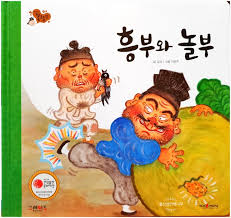
이 이야기를 들은 놀부는 질투가 났습니다. 그는 제비의 다리를 일부러 부러뜨리고 억지로 치료해주었습니다. 다음 해 제비가 씨앗을 가져왔고, 놀부는 기대하며 박을 심었습니다. 박이 열리자 놀부는 기뻐하며 박을 잘랐습니다. 그런데 그 속에서 나온 것은 도깨비, 뱀, 쓰레기, 더러운 물이었습니다. 그들은 놀부의 집을 망가뜨리고, 놀부의 재산을 모두 가져갔습니다.
놀부는 결국 모든 것을 잃고, 흥부에게 용서를 구했습니다. 흥부는 형을 따뜻하게 맞이하고 자신이 가진 것을 나누어 주었습니다. 그 뒤로 두 형제는 함께 사이좋게 살며, 놀부도 욕심을 버리고 착한 사람이 되었다고 합니다.
🎓 Moral of the Story (교육적 메시지)
“Kindness and sincerity bring blessings. Greed and cruelty lead to misfortune.”
착한 마음과 정직한 행동은 복을 가져오고, 욕심과 악행은 벌을 받는다.
🌍 Similar Stories from Around the World (비슷한 이야기)
- Aesop’s Fable: The Goose That Laid the Golden Eggs – Greed causes people to lose even what they have.
- Japanese Folktale: The Grateful Crane – A good deed to an animal returns as a blessing.
- Vietnamese Tale: Tấm and Cám – Kindness vs. Cruelty among stepsisters (similar to Kongjwi and Patjwi too).
💬 Korean Proverb (한국 속담)
"콩 심은 데 콩 나고, 팥 심은 데 팥 난다."
“If you plant beans, you get beans; if you plant red beans, you get red beans.”
(You reap what you sow. Your actions determine your results.)
🧠 Mini Korean Lesson (미니 한국어 레슨)
| 박씨 (bak-ssi) | gourd seed | '씨' = seed, '박' = gourd (also used in 박물관 = museum) 흥부는 박씨를 심었어요. (Heungbu planted the gourd seed.) |
| 보화 (bo-hwa) | treasure, valuables | Sino-Korean word: 보(寶, treasure) + 화(貨, goods) 박 안에서 보화가 나왔어요. (Treasure came out of the gourd.) |
| 욕심 (yok-sim) | greed, desire | Negative connotation, often used in proverbs 놀부는 욕심이 많았어요. (Nolbu had too much greed.) |
| 용서하다 (yong-seo-ha-da) | to forgive | '용서' = forgiveness + '하다' = to do 놀부는 용서를 구했어요. (Nolbu asked for forgiveness.) |
📌 Try using these!
- "흥부는 욕심이 없어요." → Heungbu has no greed.
- "놀부는 용서를 구했어요." → Nolbu asked for forgiveness.

🌏 English + Korean Info
The swallow (제비) is a small migratory bird that has long been beloved in Korea. Every spring, swallows return to Korea after spending the winter in warmer southern regions. Koreans believe that when a swallow builds its nest on your house, good luck and fortune will come to your family.
제비는 한국에서 오래전부터 사랑받아온 철새(cheol-sae, migratory bird)입니다. 해마다 봄이 되면, 따뜻한 남쪽 나라에서 한국으로 돌아와 집 처마 밑에 둥지를 틉니다.
예로부터 제비가 집에 둥지를 틀면 행운과 복이 찾아온다고 믿었습니다.
Swallows are also admired for their speed, loyalty, and their strong bond with family. These traits make them a perfect symbol in Korean folktales—like Heungbu and Nolbu, where a swallow returns to repay kindness.
제비는 빠른 날개짓, 충성심, 가족을 지키는 성격으로도 유명합니다.
그래서 전래동화 속에서도 보은(恩에 보답하는 것)의 상징으로 자주 등장합니다.
🧠 Mini Korean Lesson – 제비 관련 표현
단어 발음 뜻 예문
| 제비 | je-bi | swallow (bird) | 제비가 집에 둥지를 틀었어요. (A swallow built a nest on the house.) |
| 둥지 | dung-ji | nest | 제비 둥지는 보통 처마 밑에 있어요. (Swallow nests are usually under the eaves.) |
| 철새 | cheol-sae | migratory bird | 제비는 철새예요. (Swallows are migratory birds.) |
| 보은 | bo-eun | repaying a kindness | 이 이야기는 제비의 보은 이야기예요. (This is a tale of a swallow repaying a favor.) |
🎐 Cultural Note
In traditional Korean houses, swallows often nested under the chunma (처마 / eaves).
People would never destroy a swallow’s nest—it was seen as very bad luck.
Some families would even leave rice or grains nearby for the birds, believing they brought blessings.

더 많은 이야기가 이어질 거예요!
채널 고정!
More to come!
Stay tuned!
@ 서울 사람 Seoul Zian 서울지앵