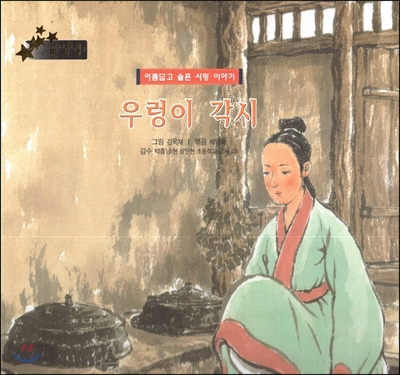
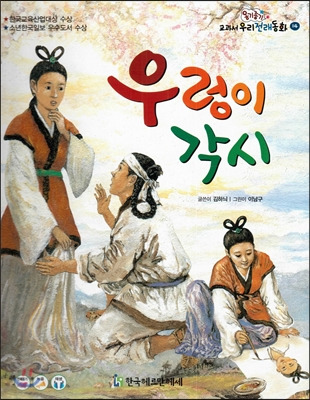
(10) 🐚 우렁각시
Learn Korean Through a Folktale: The Snail Bride
📖 Full Story (줄거리)
▶ English Storyline (영어 줄거리):
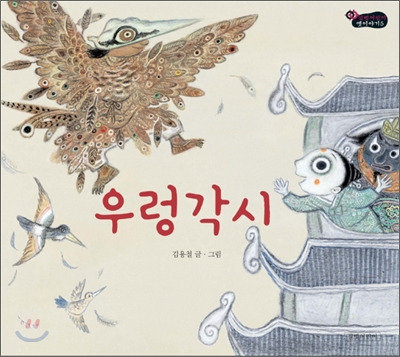
Long ago, a poor but kind-hearted young farmer lived alone. Every day, he worked hard in the fields, planting and harvesting crops with care. One day, he saved a small snail from a group of boys who were about to harm it. He gently placed the snail in a pot by the stream near his house and returned to his daily chores.
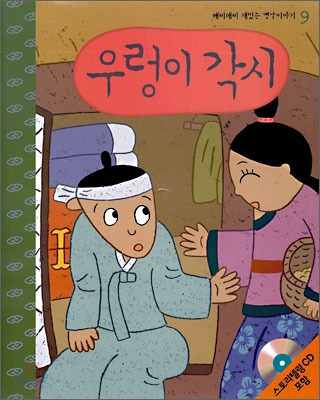
To his surprise, when he returned home, he found warm, delicious food waiting for him. His house, once messy and quiet, was now clean and lively. This mysterious help continued day after day. Curious, the farmer decided to find out who was helping him. He pretended to leave but secretly watched the house from behind a tree.
To his amazement, the snail he had saved turned into a beautiful woman and began cooking and cleaning. She was the Snail Bride — a spirit who had taken human form to repay his kindness. The young man stepped forward and thanked her with tears in his eyes.
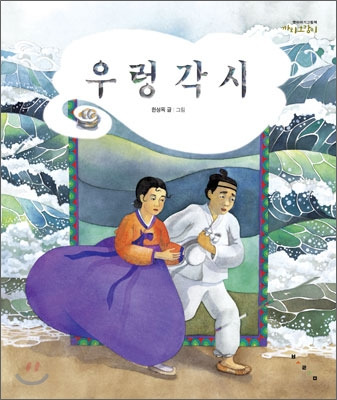
Touched by his sincerity, the Snail Bride chose to stay with him. They lived happily together, sharing their lives with love and gratitude. In some versions of the tale, the snail shell disappears forever, allowing her to live fully as a human.

▶ 한국어 줄거리 (Korean Storyline):
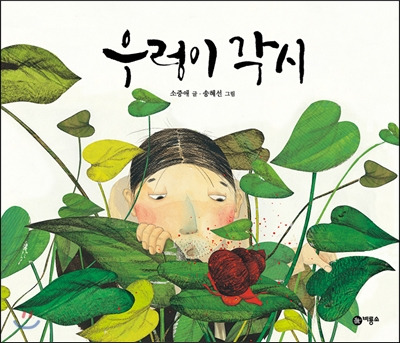
옛날, 마음씨 착한 젊은 농부가 혼자 살고 있었어요. 그는 매일 들판에서 열심히 일하며 농사를 지었지요. 어느 날, 아이들이 괴롭히던 작은 우렁이를 구해주고, 우렁이를 집 근처 냇가에 있는 항아리에 넣어주었어요.
그런데 이상하게도, 그날 저녁부터 집에는 따뜻한 밥과 깨끗하게 정리된 방이 그를 기다리고 있었어요. 다음 날도, 그다음 날도 마찬가지였어요. 궁금해진 농부는 하루는 몰래 숨어서 누가 자신을 도와주는지 지켜보았어요.
놀랍게도, 자신이 구해준 우렁이가 아름다운 여인으로 변해 집안일을 하고 있었어요. 그녀는 바로 ‘우렁각시’였어요. 농부는 감격하며 그녀에게 감사했고, 그녀도 그의 진심에 감동해 사람의 모습으로 함께 살아가기로 결심했어요.
그 후, 두 사람은 사랑과 고마움으로 가득한 행복한 삶을 살았답니다.
🎓 Moral of the Story (교훈은 무엇일까요?)
📌 Kindness brings unexpected rewards.
→ 작은 선행도 큰 기적을 불러올 수 있다는 교훈을 전합니다.
Even small acts of kindness can lead to great blessings.
📌 True beauty lies in the heart.
→ 겉모습이 아닌 마음의 아름다움이 중요하다는 메시지도 담겨 있어요.
The story also reminds us that inner goodness is more important than outer appearance.
🌍 Similar Stories from Around the World (비슷한 이야기)
🇯🇵 The Grateful Crane (일본 – 은혜 갚은 학)
A man helps an injured crane, and she returns in the form of a woman to repay his kindness.
한 남자가 다친 학을 도와주자, 학이 여인의 모습으로 변해 그의 은혜에 보답합니다.
Like the Snail Bride, the crane hides her true identity and brings love into his life.
우렁각시 이야기처럼, 학도 정체를 숨긴 채 사랑과 행복을 가져다줍니다.
🇨🇳 The Turtle Wife (중국 – 거북이 아내)
A turtle transforms into a woman to become the wife of a poor but kind man.
가난하지만 착한 남자를 위해 거북이가 여인으로 변신해 아내가 됩니다.
The theme of magical creatures becoming human out of gratitude is similar.
감사함을 갚기 위해 동물이 인간으로 변하는 주제는 우렁각시 이야기와 유사합니다.
🇫🇷 Beauty and the Beast (프랑스 – 미녀와 야수)
Though different in plot, this story also emphasizes looking beyond appearances and valuing kindness and love.
줄거리는 다르지만, 외모보다 마음의 아름다움과 친절함의 가치를 강조한다는 점에서 닮아 있습니다.
🌏 Similar Theme: Animal Spouses / Transforming Brides (유사한 주제: 동물 신부 또는 변신하는 신부들)
These tales are part of a global tradition of "animal bride" stories.
이러한 이야기들은 세계적으로 전해 내려오는 ‘동물 신부 설화’의 일환입니다.
Magical or animal beings transform into humans and reward humans for compassion.
마법적 존재나 동물이 인간으로 변신하여 인간의 친절에 보답하는 이야기입니다.
💬 Korean Proverb (한국 속담)
🌱 “가는 정이 있어야 오는 정이 있다”
Literal translation: “If you show affection, affection will return to you.”
→ 우렁각시처럼, 먼저 베푼 마음이 따뜻한 보답으로 돌아오는 것을 표현하는 속담이에요.
This proverb reflects how acts of kindness often come back to us in unexpected and rewarding ways.
🧠 Mini Korean Lesson (미니 한국어 레슨)
📌 "이게 뭐야?" / "그게 뭐예요?" — What is this? / What is that?
농부가 처음 따뜻한 밥을 보고 이렇게 말했을 수도 있겠죠?
He might have said this when he first saw the warm food!
📌 “누가 했지?” — Who did this?
“누가 이 음식을 만들었지?” “누가 청소를 했지?”
Useful question form to express curiosity.
"Who did this?" — A great expression to ask when something mysterious happens.
📌 발음 팁 (Pronunciation Tip):
우렁각시 → [u-rʌng-gak-ssi]
‘각시’는 옛날 말로 ‘아내’ 또는 ‘젊은 부인’을 의미합니다.
"Gakssi" means a young bride or wife in old Korean.

📌 Try using these! (대화문 구성)
📍 Setting: Two children discover that all the housework has been mysteriously done.
📍 상황: 두 아이가 집안일이 누군가에 의해 몰래 끝나 있는 걸 발견하고 놀라워합니다.
👦 형 (Older Brother)
“이게 뭐야?”
“What’s this?”
🧒 동생 (Younger Sibling)
“모르겠어! 누가 한 걸까?”
“I don’t know! Who did it?”
👦 형
“우렁각시가 나타난 걸까?”
“Could it be the Snail Bride?”
🧒 동생
“그럼 우리도 착하게 살아야겠다!”
“Then we should be kind, too!”

🎐 Cultural Note (문화 정보)

🐚 우렁각시 (Snail Bride):
한국 전래동화에서 등장하는 신비로운 존재로, 보통 우렁이 껍데기에서 나와 사람의 모습으로 변합니다.
The Snail Bride is a magical being in Korean folktales, who emerges from a shell and becomes human.

💒 전통 혼례와 각시 문화 (Bride Culture in Old Korea):
‘각시’는 예전 한국어로 ‘신부’, ‘젊은 부인’을 뜻하며, 옛날 이야기에서는 자주 등장하는 단어입니다.
“Gakssi” is an old Korean word for "bride" or "young wife," often used in traditional tales.
📖 보은설화 (Gratitude Tales):
우렁각시 이야기는 ‘보은설화’로 분류되며, 은혜를 갚는 존재가 등장하는 이야기입니다.
This is a type of “boeun seolhwa” — gratitude folktale, where a saved creature rewards the human.


더 많은 이야기가 이어질 거예요!
채널 고정!
More to come!
Stay tuned!
@ 서울 사람 Seoul Zian 서울지앵
#우렁각시 #SnailBride
#보은설화 #GratitudeTale
#한국전래동화 #KoreanFolktales
#각시문화 #BrideCulture
#한국어학습 #LearnKorean
#소중한친절 #SmallKindnessBigReward
#옛이야기100선 #KoreanStories100