🐦 까치야 까치야 – 전래 말놀이 노래로 배우는 한국어
🐦 Kkachi-ya, Kkachi-ya – Learn Korean with Traditional Word Play & Song
🎥 유튜브에서 보기 / Watch on YouTube
https://youtu.be/Z_PldQFsKXY?si=XINsKfttOtGB1loq
🇰🇷 (바로 위의 YouTube 영상에서 동일한 말놀이 노래를 즐기실 수 있습니다.)
🇺🇸 (You can enjoy the same word-play song in the YouTube video above.)
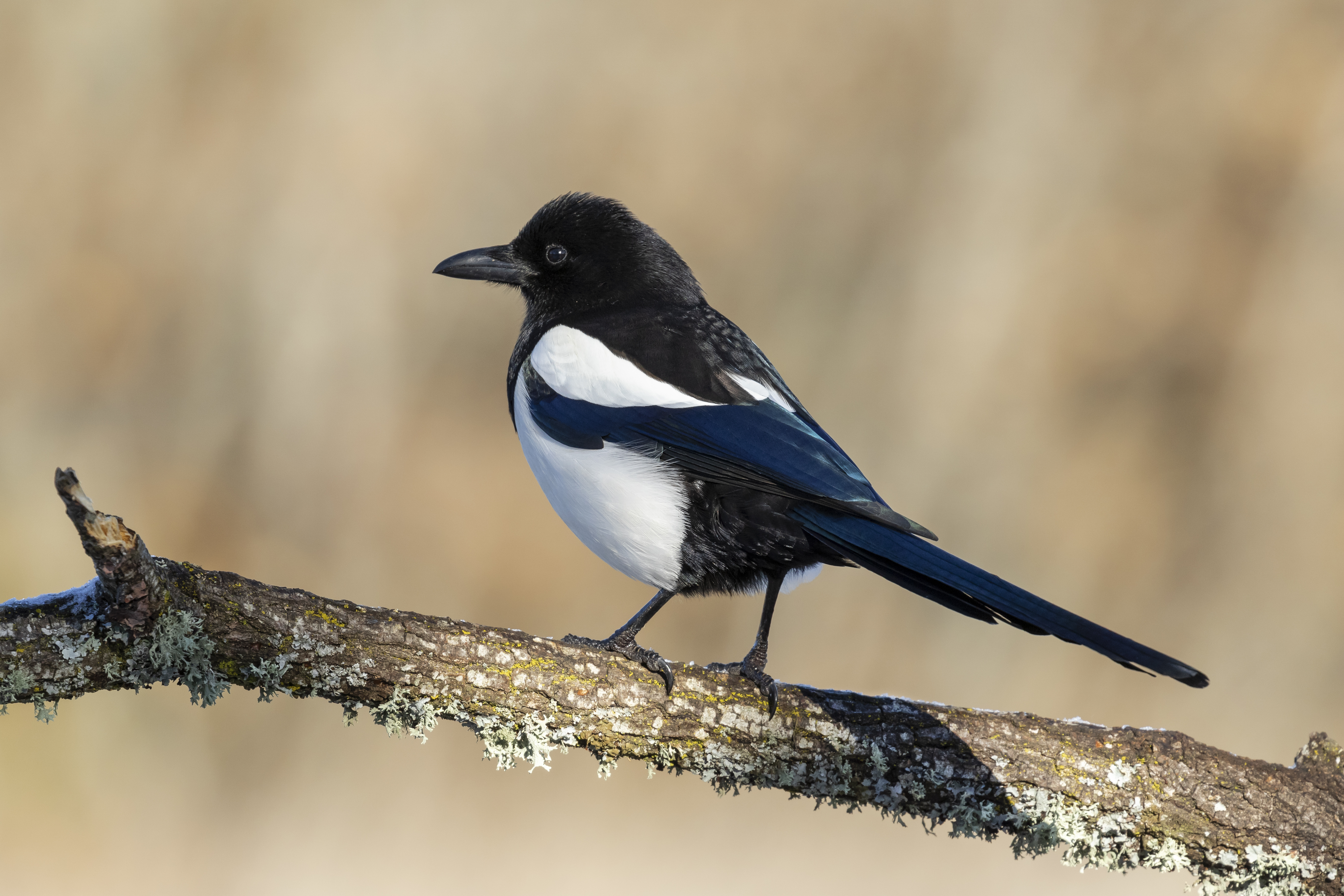
🎶 싸팔이 쎄! 까치에게 바라는 세 가지 소원
Ssapali Sse! Three Little Wishes to the Magpie
한국 어린이들은 예전부터 까치에게 소원을 빌며 노래를 불렀습니다.
Korean children have long sung songs to the magpie, asking it to grant their wishes.
눈에 티가 들어갔을 때, 눈병이 났을 때, 이가 빠졌을 때—
When something got in their eyes, when they had an eye infection, or when they lost a tooth—
아이들은 까치가 아픔을 덜어 주고 새 희망을 가져다주길 바랐습니다.
They wished the magpie would ease their pain and bring new hope.
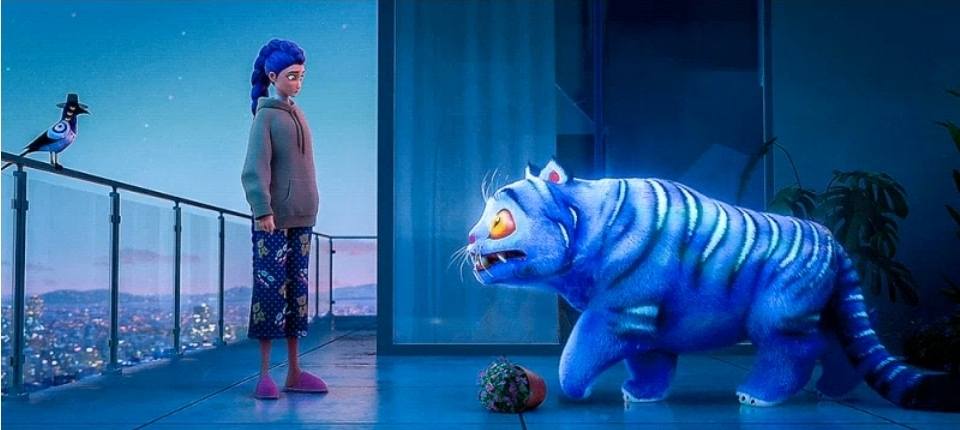
흥미롭게도 최근 애니메이션 케이팝 데몬 헌터스(K-Pop Demon Hunters) 에도
호랑이 캐릭터 더피(Duffy) 와 까치 캐릭터 서씨(Seo) 가 등장합니다.
Interestingly, in the recent animation K-Pop Demon Hunters, the characters Duffy the Tiger and Seo the Magpie also appear.
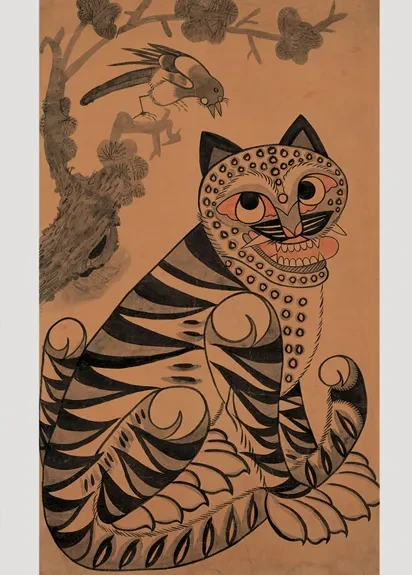
이 두 동물의 조합은 사실 오래된 한국 민화 ‘호작도(虎鵲圖)’ 에서 유래한 것입니다.
This pairing actually originates from an old Korean folk painting called “Hojakdo (Tiger and Magpie Painting)”.
호작도에서 호랑이는 권위를, 까치는 좋은 소식을 상징하며,
둘이 함께 그려질 때 “권력자 앞에서도 민중의 웃음과 희망이 살아 있다” 는 의미를 지닙니다.
In Hojakdo, the tiger symbolizes power and authority, while the magpie represents good news;
together they embody the idea that “even before power, the people’s humor and hope endure.”
이렇듯 호랑이와 까치는 한국 문화를 이해하는 데 있어 기본이 되는 상징적 동물입니다.
Thus, the tiger and the magpie are essential cultural symbols for understanding Korean heritage.
🎵 1️⃣ 싸팔이 쎄! (눈에 티가 들어간 경우)
Ssapali Sse! (When Something Gets in the Eye)
까치야, 까치야,
너 새끼 우물에 빠졌다.
조리로 건져라,
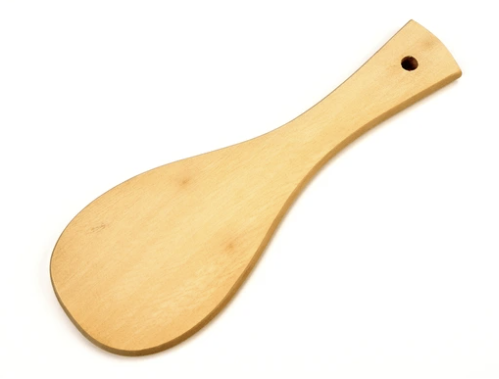
밥주걱으로 건져라.싸팔이 쎄~
(후우우~!)
이 노래는 아이가 놀다 눈에 티(먼지나 가시) 가 들어갔을 때 부르던 말놀이입니다.
This song was sung when children got dust or a small thorn in their eyes while playing.
친구가 눈을 벌리고 불어 주며 “싸팔이 쎄~ 후우우~!” 하던 장면이 떠오릅니다.
It recalls the scene where a friend would blow gently into the eye while chanting “Ssapali sse~ hoo~!”
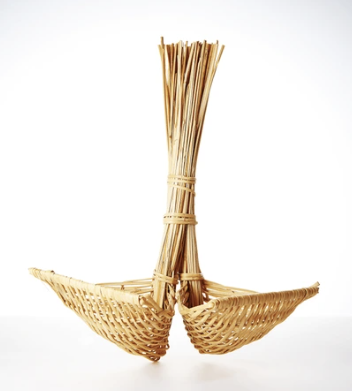
조리’는 음식을 건질 때 쓰는 바구니 모양의 도구, ‘밥주걱’은 밥을 푸는 도구입니다.
“Jori” is a basket-shaped strainer used for scooping food, and “bapjukkeok” is a rice paddle used for serving rice.
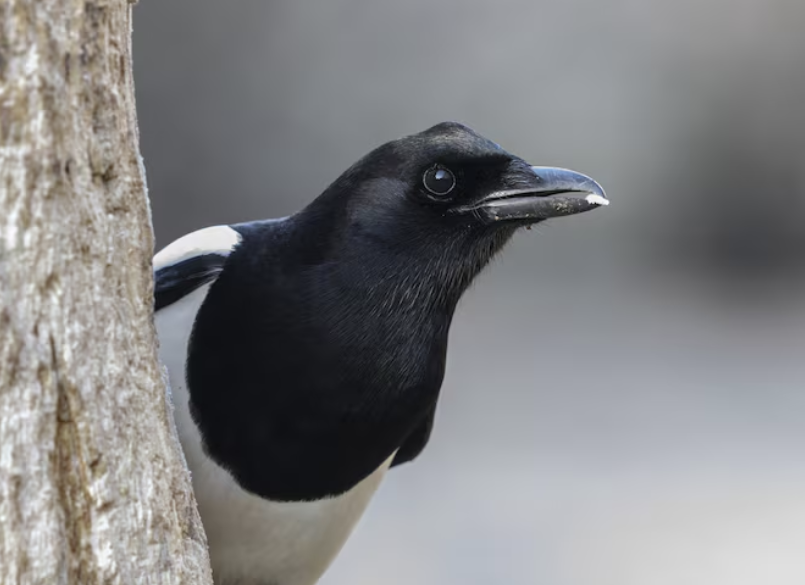
“까치”와 “까시(가시)”의 발음이 비슷해서, 까치에게 눈의 가시를 빼 달라고 빌었다고 전해집니다.
Because kkachi (magpie) sounds similar to kkasi (thorn), children asked the magpie to remove the thorn from their eyes.
🎵 2️⃣ 우리 동무 눈 낫게 해다오 (눈병이 난 경우)
Please Heal My Friend’s Eyes (When a Friend Has an Eye Infection)
까치야, 까치야,
앞도랑 물 빠진 너 새끼 건져 줄게.우리 동무 눈 낫게 해다오.
미역국에 밥 말아 줄게.
우리 동무 눈 낫게 해다오.
이 노래는 눈병이 난 친구의 회복을 빌며 불렀습니다.
This song was sung to wish for a friend’s recovery from an eye infection.
“동무”는 ‘친구’를 뜻하는 옛말입니다.
“Dongmu” is an old Korean word meaning friend.
“앞도랑”은 집 앞의 작은 시냇물이나 개울을 뜻합니다.
“Apdorang” refers to a small stream or brook that runs in front of a house.
“미역국”은 미역(Seaweed)을 넣고 끓인 국으로, 생일이나 회복을 기원할 때 자주 먹습니다.
“Miyeokguk” is a seaweed soup often eaten on birthdays or when wishing for good health.
“미역국에 밥 말아 줄게”라는 구절에는 정성 어린 위로가 담겨 있습니다.
The phrase “I’ll mix rice in seaweed soup for you” expresses a heartfelt comfort.
병이 낫기를 바라는 마음과 함께, 아이들만의 따뜻한 약속이 녹아 있습니다.
It reflects the sincerity and warmth of children’s simple promises for healing.
🎵 3️⃣ 헌 이 가져가고 새 이 다오 (이가 빠진 경우)
Take My Old Tooth, Bring Me a New One (When a Tooth Falls Out)
까치야, 까치야,
헌 이 가져가고 새 이 다오.
까치야, 까치야,
헌 이 가져가고 새 이 다오.
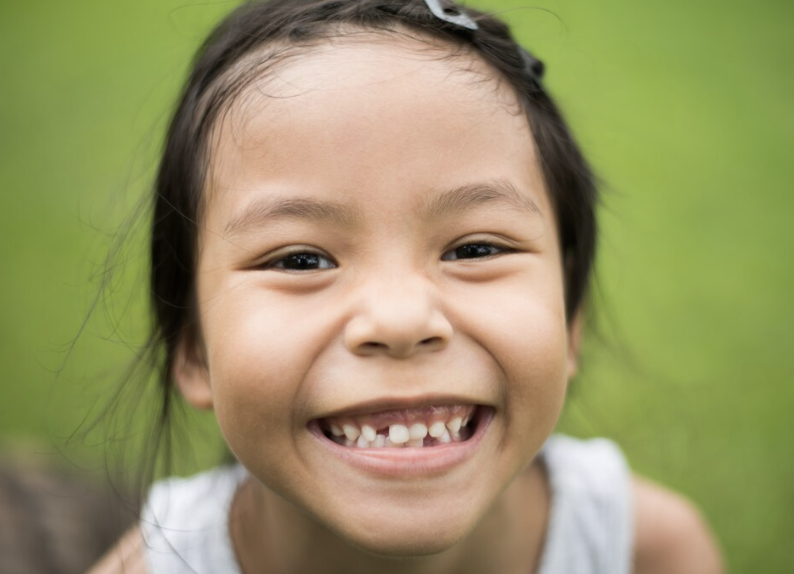
이 노래는 이가 빠졌을 때 까치에게 부르던 말놀이입니다.
This song was sung when a child lost a tooth.
“헌”은 ‘낡은(old)’, “새”는 ‘새로운(new)’이라는 뜻입니다.
“Heon” means old, and “sae” means new.
아이들은 아랫니는 지붕 위로, 윗니는 아궁이 속으로 던지며
Children threw their lower teeth onto the roof and their upper teeth into the fireplace,
“튼튼한 새 이를 달라”고 외쳤습니다.
shouting for the magpie to “bring a strong new tooth.”
까치는 아이들의 소원을 하늘까지 전해 주는 전령처럼 여겨졌습니다.
The magpie was seen as a messenger carrying children’s wishes up to the sky.
🎧 말놀이로 배우는 한국어
Learn Korean Through Rhythm & Word Play
이 세 노래는 상황은 다르지만, 모두 까치에게 바람을 전한다는 점에서 하나로 이어집니다.
Though each song tells a different story, they all share one theme—sending wishes to the magpie.
리듬과 말놀이를 통해 아이들은 아픔과 걱정을 달래고 희망을 노래했습니다.
Through rhythm and word play, children turned pain into play and hope into song.
💡 문화 어휘 정리 | Vocabulary & Culture Notes
한국어 발음 의미 영어 뜻
| 조리 | /jori/ | 음식을 건지는 바구니 도구 | a strainer or basket used for scooping food |
| 밥주걱 | /bap-jukkeok/ | 밥을 푸는 나무 주걱 | a rice paddle used to serve rice |
| 동무 | /dong-mu/ | 친구 | friend (old Korean word) |
| 미역국 | /mi-yeok-guk/ | 미역으로 끓인 국 | seaweed soup |
| 앞도랑 | /ap-do-rang/ | 집 앞의 작은 시냇물 | small stream in front of a house |
| 헌 | /heon/ | 낡은, 오래된 | old, used |
| 새 | /sae/ | 새로운 | new |
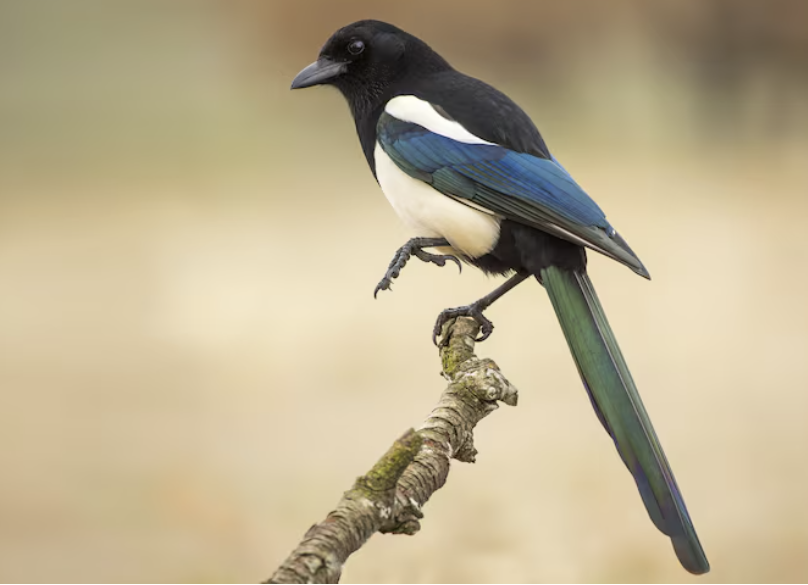
| 까치 | /kka-chi/ | 길조로 여겨지는 새 | magpie, a bird symbolizing good luck |
🐦 까치와 한국 문화
The Magpie in Korean Culture
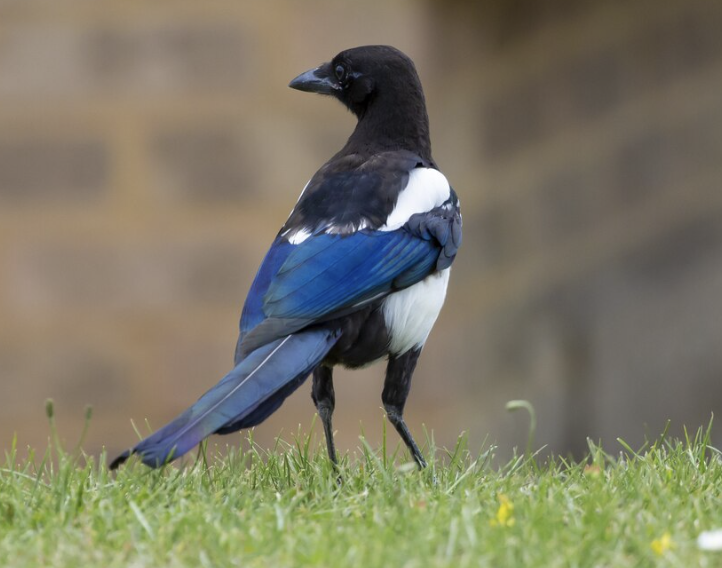
까치는 한국에서 길조(吉鳥), 즉 좋은 소식을 전해주는 새로 여겨집니다.
The magpie is considered an auspicious bird in Korea—one that brings good news and happiness.
명절 아침에 까치가 지저귀면 반가운 손님이 온다고 믿었고,
People used to believe that when a magpie chirped in the morning, a welcome guest would soon arrive.
민화에서도 까치는 자주 등장하는 상징으로,
특히 호랑이와 함께 그려진 ‘호작도(虎鵲圖)’ 속에서는 복을 부르는 존재로 표현됩니다.
In Korean folk paintings, the magpie often appears as a symbol of good fortune,
especially in Hojakdo—paintings depicting a magpie with a tiger.
까치는 기쁜 소식을 전하고, 호랑이는 잡귀를 물리치는 수호자로 그려지며
두 존재가 함께 있을 때 액운을 막고 복을 부르는 의미를 지닙니다.
The magpie delivers joy, and the tiger guards against evil;
together, they symbolize warding off misfortune and inviting blessings.
이렇듯 까치는 한국인의 일상 속에서 희망과 기쁨, 소통의 상징으로 자리 잡은 새입니다.
Thus, the magpie stands as a symbol of hope, happiness, and communication in everyday Korean life.
🎨 📝활동지 & QR 코드 worksheet download
활동지 다운 받으세요~ 색칠하면서 노래 불러 보세요~
Download the worksheet! 🎨 Sing along while you color!
📱 큐알코드 찍으면 바로 가기!
Scan the QR code to go directly!
활동지 다운 받으세요~ 색칠하면서 노래 불러 보세요~ 큐알코드 찍으면 바로 가기!



더 많은 이야기가 이어질 거예요!
채널 고정!
More to come!
Stay tuned!
@ 서울 사람 Seoul Zian 서울지앵
#까치야까치야 #싸팔이쎄 #한국말놀이 #KoreanWordPlay
#전래동요 #FolkSong #LearnKorean #한국문화 #KoreanCulture
#전통놀이 #TraditionalGames #한국어배우기 #LanguageLearning
#서울지앵 #SeoulZian #전통과리듬 #TraditionAndRhythm
#헌이줄게새이다오 #미역국에밥말아줄게 #우리동무눈병낫게해다오