(13)💫 견우와 직녀 Learn Korean Through a Folktale: The Cowherd and the Weaver Girl
📖 Full Story (줄거리)
▶ English Storyline (영어 줄거리)
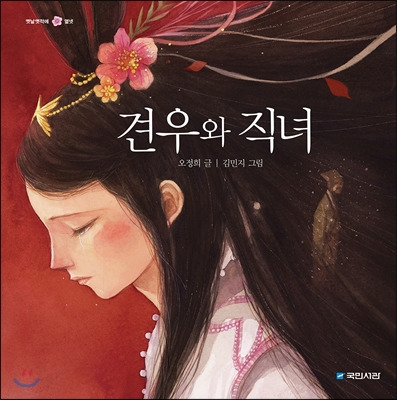
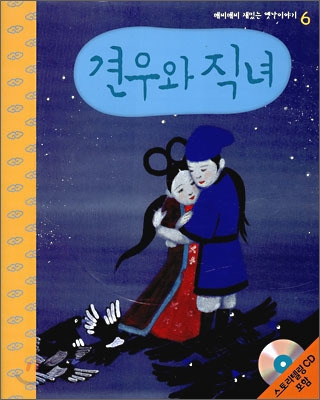
Long ago, in the heavenly realm, there lived a weaver girl named Jiknyeo, who was the daughter of the Heavenly King. She spent all her days weaving clouds and garments for the gods and had no time for rest or play.
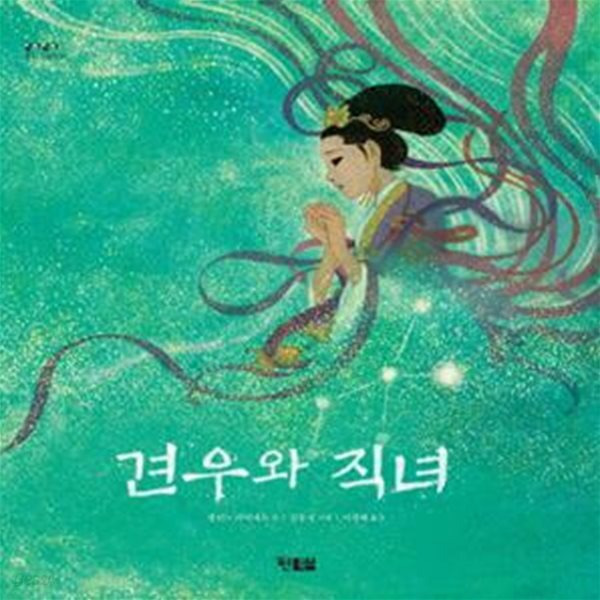
Feeling pity for her, the Heavenly King introduced her to Gyeonwu, a diligent young cowherd who lived across the Milky Way.
The two fell in love at first sight and soon got married. However, they became so absorbed in each other that Jiknyeo stopped weaving, and Gyeonwu neglected his cattle.
Angered by this, the Heavenly King separated them by placing them on opposite sides of the Milky Way and forbade them from meeting again.
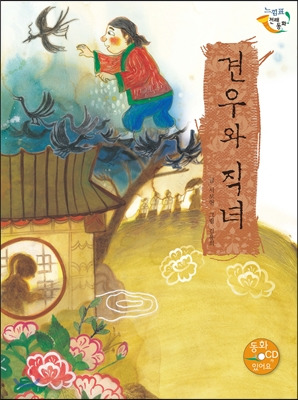
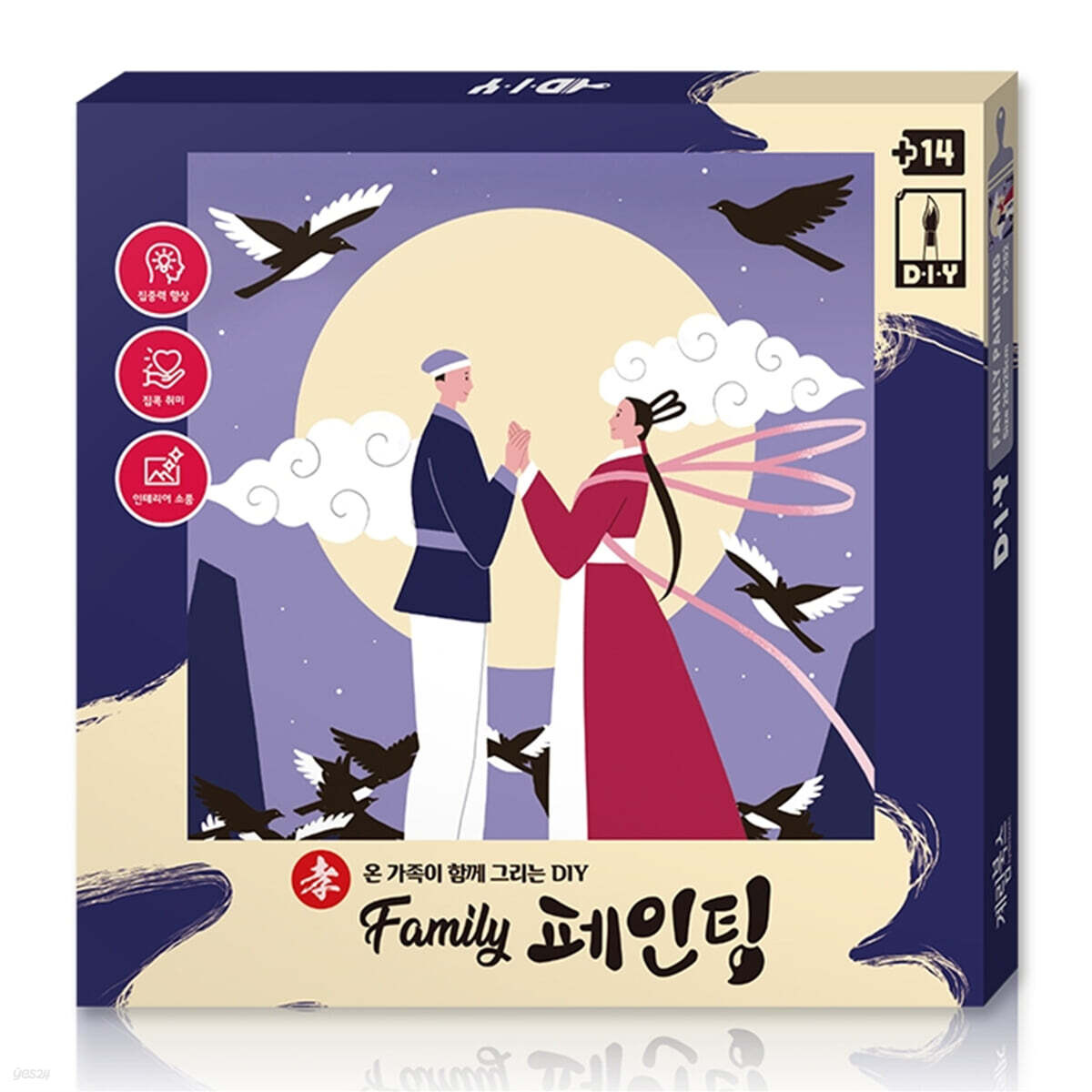
Moved by their sorrow, magpies and crows took pity on them. Once a year, on the 7th day of the 7th lunar month, they formed a bridge in the sky so the two lovers could reunite for one day. This bridge, made from the birds’ wings, is called Ojakgyo ("Bridge of Magpies and Crows").
In Korea, this day is called Chilseok, and it often coincides with the rainy monsoon season. People say the rain is the tears of Jiknyeo and Gyeonwu, shed out of longing and joy as they meet again. This connection between the legend and the actual weather makes the story feel even more real and heartfelt.

▶ Korean Storyline (한국어 줄거리)
옛날 하늘나라에 하늘의 옷을 짜는 베짜는 소녀 직녀가 살고 있었습니다. 그녀는 옥황상제의 딸로, 하루 종일 구름과 천상의 옷을 짜느라 놀 틈도 없었지요.
이를 안타깝게 여긴 옥황상제는 은하수 건너편에서 소를 돌보던 성실한 청년 견우를 소개해 주었습니다. 두 사람은 서로를 보고 사랑에 빠졌고, 곧 결혼하게 되었습니다. 하지만 서로에게만 빠진 나머지, 직녀는 베를 짜지 않고 견우는 소를 돌보지 않게 되었습니다.
화를 낸 옥황상제는 둘을 은하수 양쪽으로 갈라놓았고, 다시는 만나지 못하게 했습니다.
너무 슬퍼한 견우와 직녀를 불쌍히 여긴 까치와 까마귀가 해마다 음력 7월 7일에 하늘에 다리를 놓아 하루 동안 만날 수 있게 해 주었습니다. 이 다리는 까치와 까마귀의 다리, 즉 오작교(烏鵲橋)라고 부릅니다. 이날은 음력으로 7월 7일이며 칠석날이라고 부릅니다. 이 무렵 진짜로 비가 자주 오는데, 이는 견우와 직녀가 서로를 그리워해서 흘리는 눈물이라고 합니다. 마침 이 시기는 한국의 장마철과도 겹쳐, 전설이 더욱 실감나게 느껴지기도 하지요.
🎓 Moral of the Story (교육적 메시지)
💡 True love requires responsibility and balance.
💡 진정한 사랑은 책임과 균형을 필요로 합니다.

🌍 Similar Stories from Around the World (비슷한 이야기)
🇨🇳 Chinese Folktale: Qixi Festival (七夕节)
중국 전설: 칠석절 (七夕节)
The Chinese Qixi Festival originates from the same legend of the Cowherd and the Weaver Girl.
중국의 칠석절은 견우와 직녀의 전설에서 유래하였습니다.
🇯🇵 Japanese Tanabata Festival (たなばた)
일본 축제: 타나바타 (たなばた)
Japan's Tanabata Festival also comes from this story. People write wishes on colorful paper strips and hang them on bamboo branches.
일본의 타나바타도 이 이야기에서 유래하였으며, 사람들은 색색의 종이에 소원을 써서 대나무 가지에 매답니다.
🌌 Western Astronomy: Vega and Altair (Summer Triangle)
서양 천문학: 베가(Vega)와 알타이르(Altair) – 여름철 대삼각형
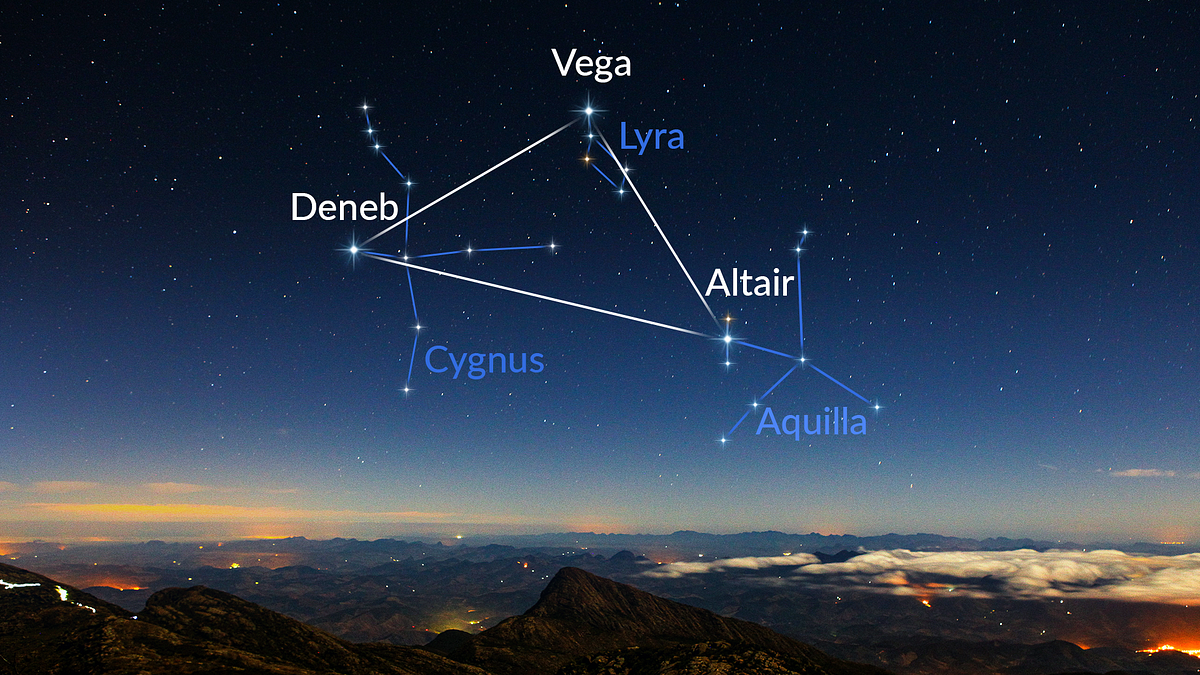
In Western astronomy, Vega (in the constellation Lyra) and Altair (in the constellation Aquila) are the stars that represent Jiknyeo and Gyeonwu in Asian folklore. They are located on opposite sides of the Milky Way, just like in the Korean legend.
서양 천문학에서 베가(직녀성)는 거문고자리(Lyra)에, 알타이르(견우성)는 독수리자리(Aquila)에 속해 있으며, 두 별은 실제로도 은하수를 사이에 두고 마주보고 있습니다. 이는 한국을 포함한 동아시아의 견우직녀 이야기와 닮아 있습니다.
Together with Deneb (in the Cygnus constellation), Vega and Altair form the Summer Triangle, a famous asterism seen in the summer sky.
베가, 알타이르, 그리고 데네브(Deneb, 백조자리)는 함께 여름철 대삼각형(Summer Triangle)을 이루며, 여름 하늘에서 쉽게 볼 수 있는 별자리입니다.

🧠 Mini Korean Lesson (미니 한국어 레슨)
📌 칠석 /chil-seok/ – Chilseok Day
→ 견우와 직녀가 1년에 한 번 만나는 날 (음력 7월 7일)
The seventh day of the seventh lunar month when the Cowherd and the Weaver Girl reunite once a year.
📌 장마 /jang-ma/ – Monsoon season
→ 여름철에 집중적으로 비가 오는 시기
A season of heavy rain in summer, known as Korea’s rainy season.
📘 예문 | Example Sentences
1.
칠석날은 견우와 직녀가 만나는 날이에요.
Chilseok is the day when Gyeonwu and Jiknyeo meet.
2.
그들은 까마귀와 까치가 만든 오작교 위에서 만나요.
They meet on Ojakgyo, the bridge made by crows and magpies.
3.
칠석날 즈음에는 비가 많이 와요.
It often rains around Chilseok.
4.
사람들은 그 비를 견우와 직녀가 서로를 그리워하며 흘리는 눈물이라고 해요.
People say the rain is the tears they shed because they miss each other.
5.
그게 꼭 기쁨의 눈물인지는 몰라요.
No one knows for sure if they are tears of joy.
6.
칠석은 한국의 장마철과 겹쳐요.
Chilseok falls during Korea’s monsoon season.
7.
그래서 전설이 더 진짜처럼 느껴져요.
That’s why the legend feels even more real.
📌 Try using these! (대화문 구성)
👫 Situation: Talking about Korean summer traditions | 여름 전통에 대해 이야기할 때
🔹 English Dialogue
A: What’s Chilseok in Korea?
B: It’s a traditional day when Gyeonwu and Jiknyeo meet once a year over the Magpie Bridge.
A: I see. Why do people say it always rains around Chilseok?
B: People believe it’s because the two lovers cry when they meet.
A: Oh, so the rain is their tears? That’s so poetic.
B: Yes, and Chilseok usually falls during Korea’s monsoon season, so it really feels like the story is coming true.
🔹 한국어 대화
A: 한국의 칠석이 뭐예요?
B: 견우랑 직녀가 1년에 한 번 오작교 위에서 만나는 전통적인 날이에요.
A: 아, 그럼 왜 칠석 즈음엔 비가 많이 온다고 하나요?
B: 두 사람이 너무 그리워서 만나면 운다고들 해요.
A: 그럼 그 비가 그 눈물이라는 거네요? 정말 시적이다!
B: 네, 실제로도 그 시기가 한국의 장마철이랑 겹쳐서 전설이 진짜처럼 느껴져요.

🎐 Cultural Note (문화 정보)
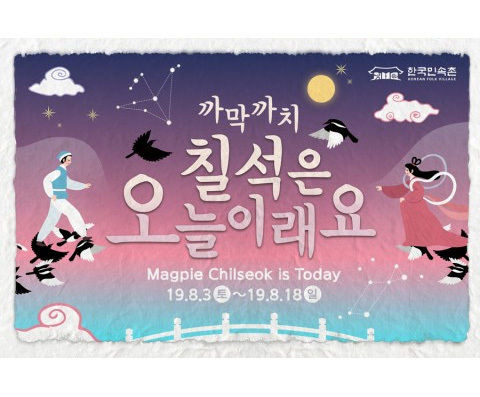
📅 칠석 / Chilseok /ʧʰil-sʌk/ – Korean Star Lovers' Day
칠석은 음력 7월 7일에 지내는 한국의 전통 명절로, 견우와 직녀가 은하수를 사이에 두고 1년에 한 번 만나는 날입니다.
Chilseok is a traditional Korean festival held on the 7th day of the 7th lunar month. It celebrates the reunion of the lovers Gyeonwu and Jiknyeo across the Milky Way.

🌉 오작교 /o-jak-gyo/ – Magpie and Crow Bridge
까치(烏)와 까마귀(鵲)가 하늘에 놓은 다리로, 이날만큼은 두 사람이 만날 수 있게 해 줍니다.
The bridge built by magpies and crows for the lovers to meet once a year.
실제로 한국의 다리 중에는 ‘오작교’라는 이름을 가진 다리가 전국 여러 곳에 존재합니다.
In fact, there are several bridges named “Ojakgyo” throughout Korea, inspired by this legend.

🧶 Traditional Labor in the Story (이야기 속 전통 노동문화)

🧵 베틀 /be-teul/ – Loom
직녀가 사용하던 베틀은 전통적으로 여성의 공간과 노동을 상징하며, 실제로도 많은 여성들이 베틀 앞에서 하루를 보냈습니다.
The loom represents traditional women's work and their central role in household economy.
🪡 베짜기 / Weaving
직녀는 하늘의 옷을 짜는 베짜는 소녀로, 그녀의 일은 섬세하고 성실한 여성 노동을 상징합니다.
Jiknyeo is a weaver of heavenly robes, symbolizing diligent and delicate women's labor in Korean tradition.
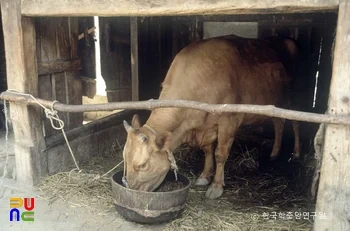
🐂 외양간 /oe-yang-gan/ – Cattle shed / barn
견우가 돌보던 소들이 머물던 곳. 칠석 이야기는 이러한 농경적 배경과 생활 공간을 담고 있습니다.
The barn (cattle shed) reflects the agricultural setting in which Gyeonwu lived.
🐄 소치기 /so-chi-gi/ – Cowherding
견우는 하늘에서 소를 돌보는 소치기였으며, 이는 남성의 근면한 농경 노동을 상징합니다.
Gyeonwu is a cowherd, symbolizing hardworking male labor in pastoral life.
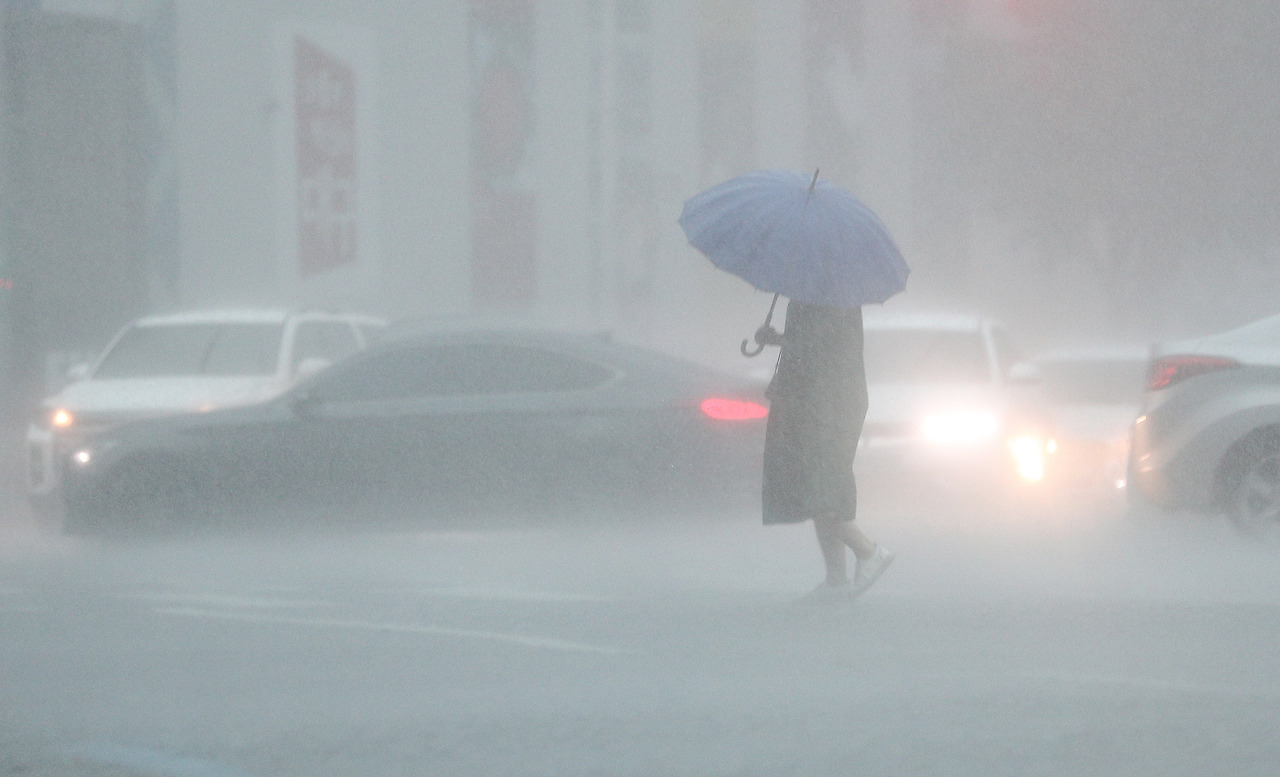
🌧️ 장마 /jang-ma/ – Monsoon season
칠석 즈음엔 실제로 비가 많이 오는데, 전설에서는 견우와 직녀가 흘리는 눈물 때문이라고 전해집니다.
Heavy rains during Chilseok are said to be the tears of the lovers, and the day often coincides with Korea’s rainy season.
그러나 요즘에는 기후위기로 인해 한국의 전통적인 장마가 사라져 가고 있습니다.
대신 우기 또는 여름 집중호우라는 표현을 쓰기도 합니다.
However, due to the climate crisis, Korea’s traditional monsoon season has been gradually disappearing.
Instead, people now refer to it as the “rainy season (우기)” or “summer heavy rainfall (여름 집중호우).”


더 많은 이야기가 이어질 거예요!
채널 고정!
More to come!
Stay tuned!
@ 서울 사람 Seoul Zian 서울지앵
#견우와직녀 #GyeonwuAndJiknyeo
#칠석 #Chilseok
#오작교 #Ojakgyo
#은하수사랑전설 #MilkyWayLoveLegend
#직녀성 #Vega
#견우성 #Altair
#여름별자리 #SummerConstellations
#한국민화 #KoreanFolkArt
#민화전시 #MinhwaExhibition
#민화체험 #MinhwaWorkshop
#전통이야기 #TraditionalTales
#한국전설 #KoreanFolktales
#한국전통문화 #KoreanTraditionalCulture
#문화체험 #CulturalExperience
#여름축제 #SummerFestival
#한국어교육 #KoreanLanguageEducation
#외국인을위한한국어 #KoreanForForeigners
#한국어학습 #LearnKorean
#케이팝굿즈 #KpopMerch
#굿즈성지 #KpopMerchHeaven
#K팝에서민화까지 #FromKpopToMinhwa
#국립중앙박물관 #NationalMuseumofKorea
#한국여행 #VisitKorea
#숨은명소 #HiddenGemsKorea
#소확행여행 #SimpleJoysInKorea
#전통예술 #TraditionalArt
#한국문화 #KoreanCulture
#한국전통 #KoreanTradition